
The Essential Guide to Traveling to Alaska (30+ Tips & Map)

The thought of traveling to Alaska can be overwhelming, particularly if your understanding of this U.S. state is derived solely from television shows, movies, or books.
Trust us, we know! As young adventurers seeking beautiful hiking destinations, icy blue glaciers, and ample wildlife viewing opportunities, we set out to explore the Last Frontier to the fullest.
After half a dozen visits and even dragging our families across the continent to watch us get married on the Kenai Peninsula, we decided to begin an 8,000+ mile North America road trip back to the 49th state where we would reside for the next year.
And we’ll be honest… we had no idea what we were getting ourselves into! We slept everywhere from the Homer Spit in a wind and rain-swept tent to a shipping container situated on the shores of the Arctic Ocean in Prudhoe Bay.
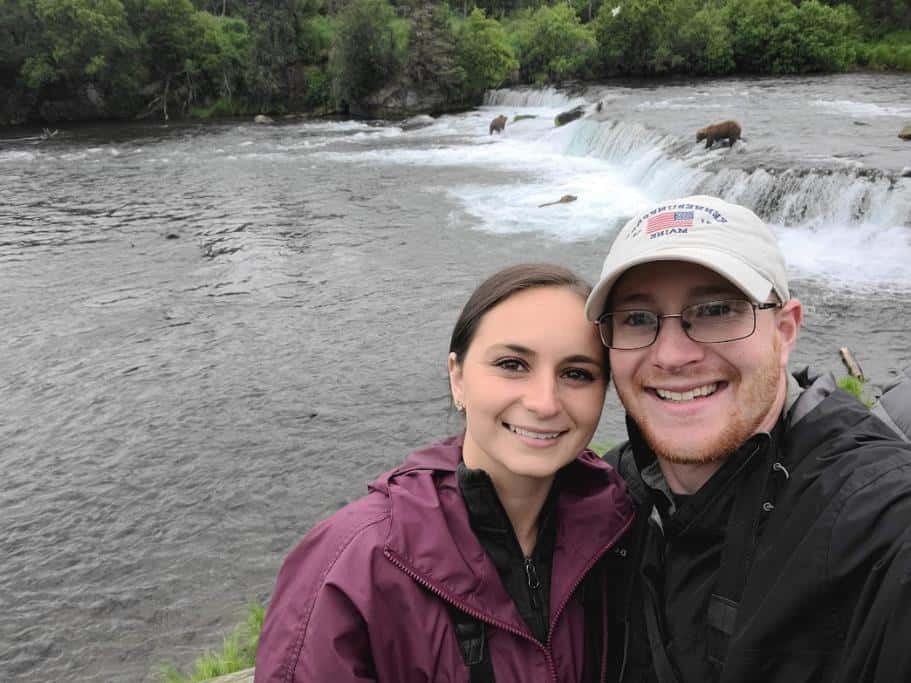
We were chased by a mother moose and her twins in Ridgeway, watched the northern lights dance on Murphy Dome in Fairbanks, and even had a grizzly get dangerously close while exploring the famed Katmai National Park!
What we’re trying to say is we’ve learned a thing or two from living in Alaska, and with this guide, we will teach you everything you need to know about traveling to The Last Frontier including how to stay safe, what to know before you get there, and all of our top tips for ensuring your experience is a positive one.
We’ve also broken this list down into what you should know before booking your trip, what to know during your Alaska vacation, and everything you should be aware of in terms of staying safe while exploring!
Alaska State Facts 2024
49th State Recognition: January 3, 1959
2024 Population: 733,536
State Size: 586,000 square miles
Capital City: Juneau
International Airports: Anchorage, Fairbanks, Juneau, Ketchikan
Primary Language: English, 20+ native languages
Primary Religion: Christianity
Primary Political Party: Republican
Interactive Map of Alaska
Most visitors simply don’t recognize the enormity of The Last Frontier which ultimately leads to issues with planning their trip to the state. We’ve noted the four main international airports (as noted above), all of the national parks, as well as the main travel destinations for visitors.
You can use this map to measure distances between major destinations, get an idea of which region(s) you want to visit, and decide how many places you can go with the time you have.
↪️Pro Tip: We pride ourselves in planning efficient, budget-savvy, adventurous Alaskan vacations for travelers with all different interests from every age group. If you would like some assistance with designing a trip manicured to your preferences, send us an email and we’ll respond within 24-48 hours!
What to Know Before You Visit Alaska
Planning Your Trip
When we were planning our first trip to Alaska, we made a lot of mistakes. We tried to squeeze too many sites into a short visit, we underestimated how tired we would be from all of the excursions we booked, and we definitely didn’t anticipate how much we should budget.
We want you to be more prepared than we were so you can take advantage of what this vast and wild destination has to offer! Thus, here’s our personal detailed list of 30 things you should know before booking your trip to the Last Frontier:
1. Best Time to Visit Alaska: The peak season is summer, especially June to August, when the weather is milder and daylight hours are at their longest. This is also when wildlife viewing, particularly bear viewing tours and fishing charters are at the top of their game!
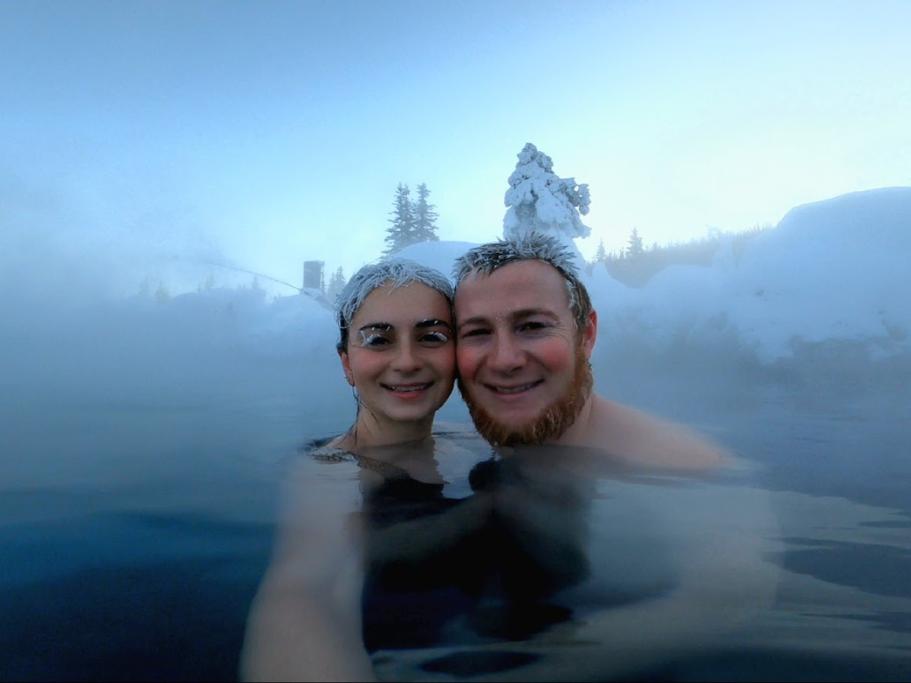
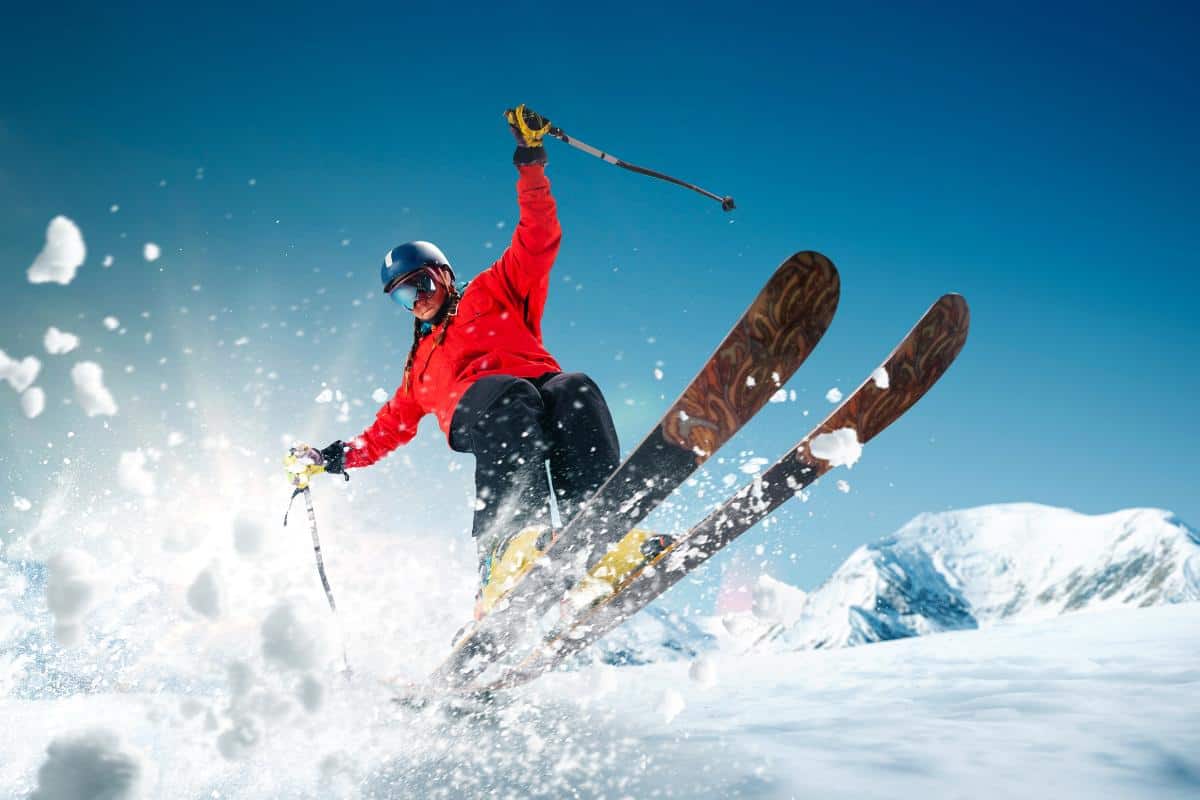
Or, if you’re interested in winter sports, ice fishing, and northern lights viewing, then between November and March is ideal.
2. Accommodations: Lodgings book up well in advance (like 5-8 months early), especially if you’re planning on traveling during peak season. Once you get into the 3-4 month range before your trip, most accommodations will be booked up and those that are left will likely be a little more “rustic” than you were hoping for, and they’ll cost $300+ per night.
We’ve actually seen primitive campground sites cost over $100 a night two months before the travel dates!
3. Transportation: Depending on the level of comfort you’re looking for, you have the option of taking a cruise or renting a car. We prefer the car rental since it allows you to be completely flexible with your travels and doesn’t put you on someone else’s schedule, however, it does involve more planning and effort on your part.
If you want someone to have your meals ready for you and bring you to the most touristy places in each destination so you get the major gist of each place, then a cruise is the way to go. But, if you prefer to get off the beaten path and avoid the crowds to get to places with more wildlife and scenic vistas, then a car rental is the ideal choice!
4. Booking Flights: If you do decide to rent a car on arrival, then chances are you’re going to be booking flights for your trip. Take it from someone who has paid both over $1,000 and under $200 for the same exact flight to Alaska, please book as soon as you know your dates.
Alaska isn’t like most destinations where prices rise and fall throughout the year depending on demand, holidays, etc. Rather, the closer you get to your travel dates the more expensive the flights become!
5. Itinerary Planning: Alaska’s size can be deceiving. It’s nearly 1/3 the size of the United States! Don’t think you can visit Alaska for a week and see everything, because we lived there for a year and didn’t see it all.
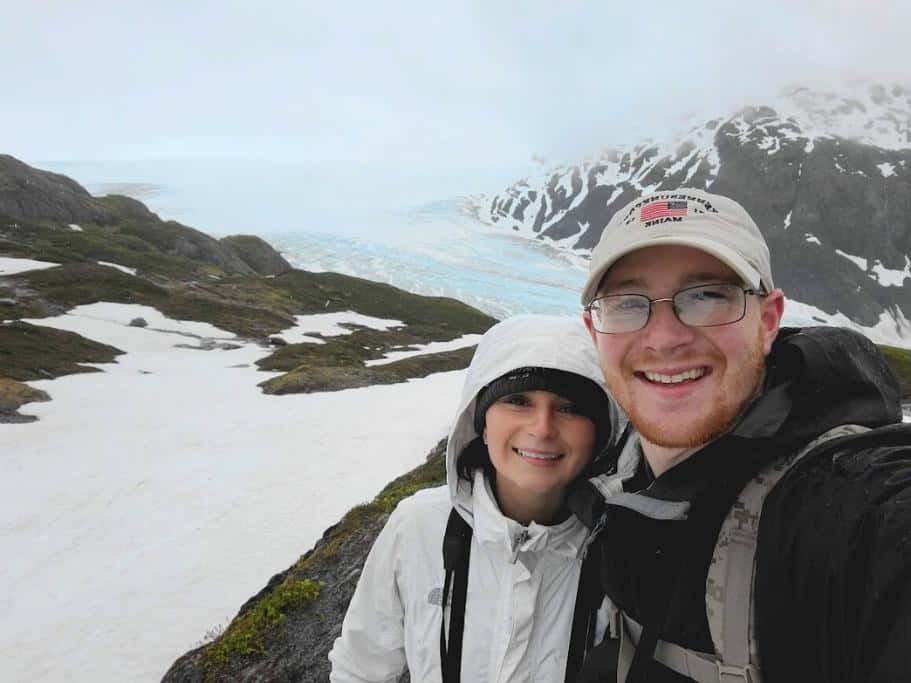
Instead, choose a region to explore rather than trying to cover too much ground. A great place to start is the Kenai Peninsula (home to the iconic Kenai Fjords National Park) or southeast Alaska where Juneau’s whale watches are some of the best in the world.
6. Health and Safety: If you’re traveling to Alaska with anyone who has particular medical needs or may need to see a doctor during your visit, it’s important to be prepared for limited medical facilities if you plan on venturing outside major cities like Anchorage or Fairbanks.
7. Adequate Travel Insurance: Which brings us to our next point: ensure you have appropriate travel insurance that covers outdoor activities specific to Alaska including high-altitude mountaineering, deep sea fishing, bear viewing tours, and so forth. We always use SafetyWing and love how affordable it is when we’re traveling to Alaska!
8. Food and Supplies: In remote locations, groceries and essentials can be very expensive (we’re talking $9 for strawberries expensive). Consider packing non-perishable items like protein bars, instant ramen noodles, etc. if you’ll be trying to visit Alaska on a budget.
We also always keep some food and water in our car in the event we get stuck or break down since, depending on where you are in the state, it could be a long time until someone arrives to help.
9. Connectivity: Hopefully you won’t have to work much on this trip because it’s relatively normal to have limited (or nonexistent) cell service and internet in many areas outside of your accommodation.
If internet access is essential for you, then be sure to talk to your phone or internet provider about your daily data usage and if Alaska lies within your plan’s boundaries. AT&T works fine on our unlimited data plan, but we aren’t sure about other carriers.
10. Travel Documents: Ensure your identification documents are up to date. Non-U.S. citizens may require visas or other entry permits, so be sure to check the Alaska Airlines website or the U.S. entry requirements for your home country.
11. Local Customs: By visiting Alaska, you’ll be entering one of the last remaining frontiers of America, and it’s important to respect the land, the wildlife, and the people. Be sure to familiarize yourself with local customs, traditions, and laws before your trip to ensure a positive experience for yourself and the community.
12. Wildlife Awareness: Educate yourself on local wildlife and understand how to safely observe animals without encroaching on their habitat. This includes never feeding animals, knowing how much distance you need to give depending on the animal, and how to recognize adverse animal behavior. Local fines are hefty for those who choose to disobey the rules!
13. Layered Clothing: If there’s one thing you need to set in stone inside your brain, it’s that the weather in Alaska is everything but predictable. In the middle of summer, you could get freezing temperatures and sideways sleet.
Always pack a good selection of layers including moisture-wicking liners, leggings that can fit under jeans or stretchy pants, fleece pullovers, and warm jackets. Waterproof rain layers are also essential because the summer months can be quite rainy (despite what the weather channel may tell you.)
14. Other Packing Essentials: Don’t forget items like sunglasses, sunscreen, and waterproof boots. A reusable water bottle is also recommended to help cut down on single-use plastic in Alaska. Unfortunately, due to the state’s remote location and the massive expense it would take, recycling is all but nonexistent in the Last Frontier.
15. Emergency Preparedness: We’ve seen situations turn from “a little hairy” to downright treacherous in a matter of seconds. To keep you and your group safe while traveling in Alaska, be sure to carry a map, compass, or GPS device and be familiar with the basics of emergency wilderness survival. If you do some accidental off-roading, it could be hours or even days until someone drives by depending on where you are!
During Your Trip
While you’re embracing the rugged beauty of Alaska, keeping these pointers in mind will ensure your adventures are safe and memorable:
16. Stay Informed: Keep tabs on the local weather forecasts and park advisories for updates that may affect your plans. Landslides don’t happen too often, but they do happen and they do occasionally block major roads like the one known as Pretty Rocks that occurred in 2022 on Park Road in Denali National Park which affected backcountry backpacking and visitor access. They’re estimating the park road to remain unopened at least through the 2026 tourist season.
17. Wildlife Interactions: Always maintain a safe distance from wildlife and never attempt to feed or approach them. This is not only dangerous for yourself and the animal, but will also result in a well-deserved fine from the local authorities.
18. Traveling Off-Road: Off-roading is rarely allowed in Alaska unless specific signs are posted because it disturbs the local wildlife and fragile ecosystems. If you do venture off-road, be sure to follow designated paths and leave no trace behind!
19. Fuel and Supplies: When driving, ensure your vehicle has plenty of fuel and you’re stocked with emergency supplies, as service stations can be sparse. Keep some extra food and water in your car at all times, since it’s not uncommon to go a couple of hours without a store to stop at.
Of course, this is more common between Fairbanks and Deadhorse or near the Alcan Border, but it’s still good practice since stores and gas stations may close at random.
20. Fishing and Hunting Regulations: If you plan to fish or hunt, make sure to obtain the necessary licenses from the Alaska Department of Fish and Game and understand the local regulations. Requirements change often, so be sure to check the day of your excursion!
21. Stay Connected: Whenever possible, keep someone informed of your travel plans and expected return, especially when venturing into remote areas. But once you do, don’t forget to unplug and just enjoy the view!
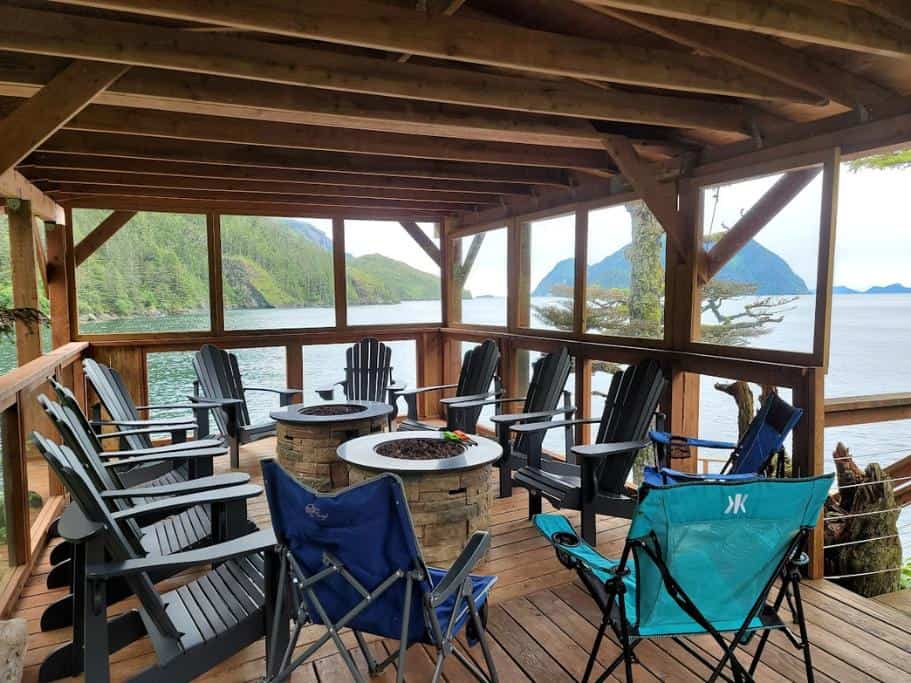
22. Be Bear Aware: Know how to store food properly and understand what to do if you encounter a bear. It’s illegal to fly with bear spray, regardless of where you pack it (carry-on or checked luggage), so you’ll need to pick some up when you arrive.
You can also rent bear spray at the Alaska Outdoor Gear Rental in Anchorage which is cheaper than paying for a whole can and then throwing it away before your return trip.
23. Local Knowledge: One of the best ways to learn about where to go and what to see in Alaska is to talk to the locals! They can often provide valuable information about lesser-known spots and current conditions for fishing charters on the Kenai, caribou viewing in Denali National Park, and more.
24. River Safety: Be aware of strong river currents and glacier-fed water dangers, and never cross fast-moving water on foot. I’ve taken a tumble in some deep rivers myself, but it’s a bit more scary when the water is about 40 degrees Fahrenheit.
25. Tide Knowledge: Understand local tide tables to avoid being stranded by rapidly changing tides, especially near coastal areas. Homer has a tide difference of about 23 feet, so try to keep this in perspective when thinking about the speed at which that water comes in!
26. Safe Drinking Water: If you plan on doing any hiking during your trip, always treat natural water sources before drinking to avoid waterborne illnesses.
Alaska is home to some of the cleanest drinking water in the world, but on hiking trails, any dead animal upstream can cause serious health problems. We always hike with our LifeStraws when traveling in Alaska and have never gotten sick with them.
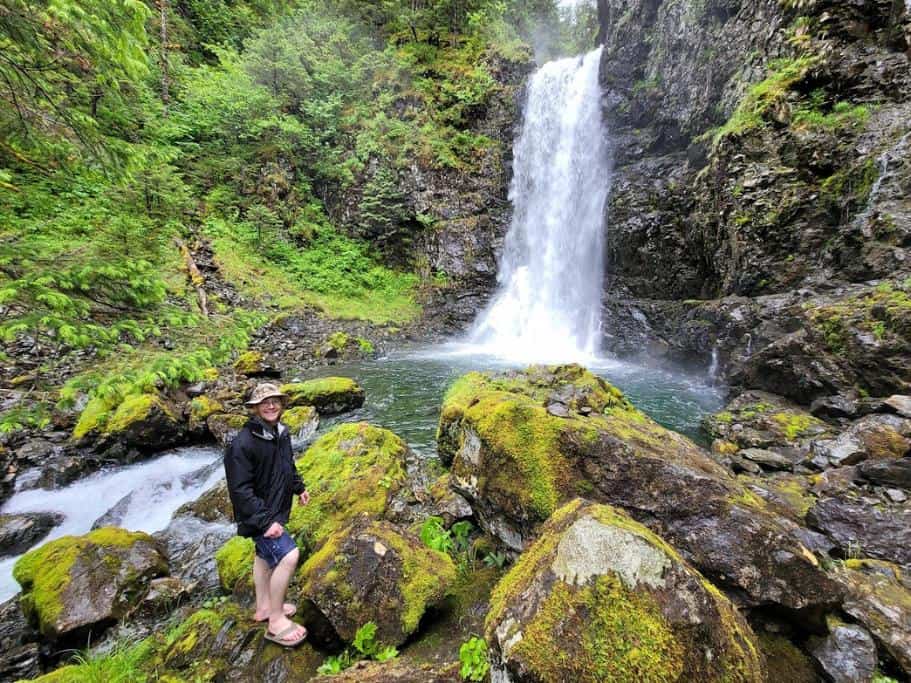
27. Winter Travel: If you’re traveling to Alaska during the winter months, it’s important to prepare for extremely cold temperatures and snowy conditions. Make sure your vehicle is equipped with appropriate tires, and preferably an engine block heater.
Emergency supplies will also be necessary in case of a breakdown or getting stuck. If you’ll be going ice fishing or glacier trekking, you’ll need to be cautious of ice conditions and crevasses.
28. Camping and Fire Safety: Practice responsible fire use, avoiding forested areas during dry spells and ensuring all fires are fully extinguished. Follow the local guidelines of your particular campground and keep an eye on local regulations if you’ll be doing some dispersed camping.
Having spent many months in Alaska across several different summer seasons, we can personally attest to there pretty much always being some type of fire restriction in place, and those who don’t follow it are hit with hefty fines.
29. First Aid Kit: Always bring a well-stocked first aid kit with you on your outings in Alaska. We always ensure ours includes items such as bandages, gauze, antiseptic wipes, antibiotic ointment, and any necessary medications we may need.
30. Leave No Trace: Respect the land and leave no trace behind! This includes on hiking trails, beaches, sides of the road, etc. Please keep Alaska looking wild!
31. Local Emergency Contacts: Keep a list of local emergency contacts, including ranger stations, park services, and the nearest hospitals if you’ll be taking part in some adventurous excursions. 911 is the standard number for all emergencies across the state, but note that the state of Alaska has not yet been able to set up texting for 911.
How to Get Around Alaska
Boat
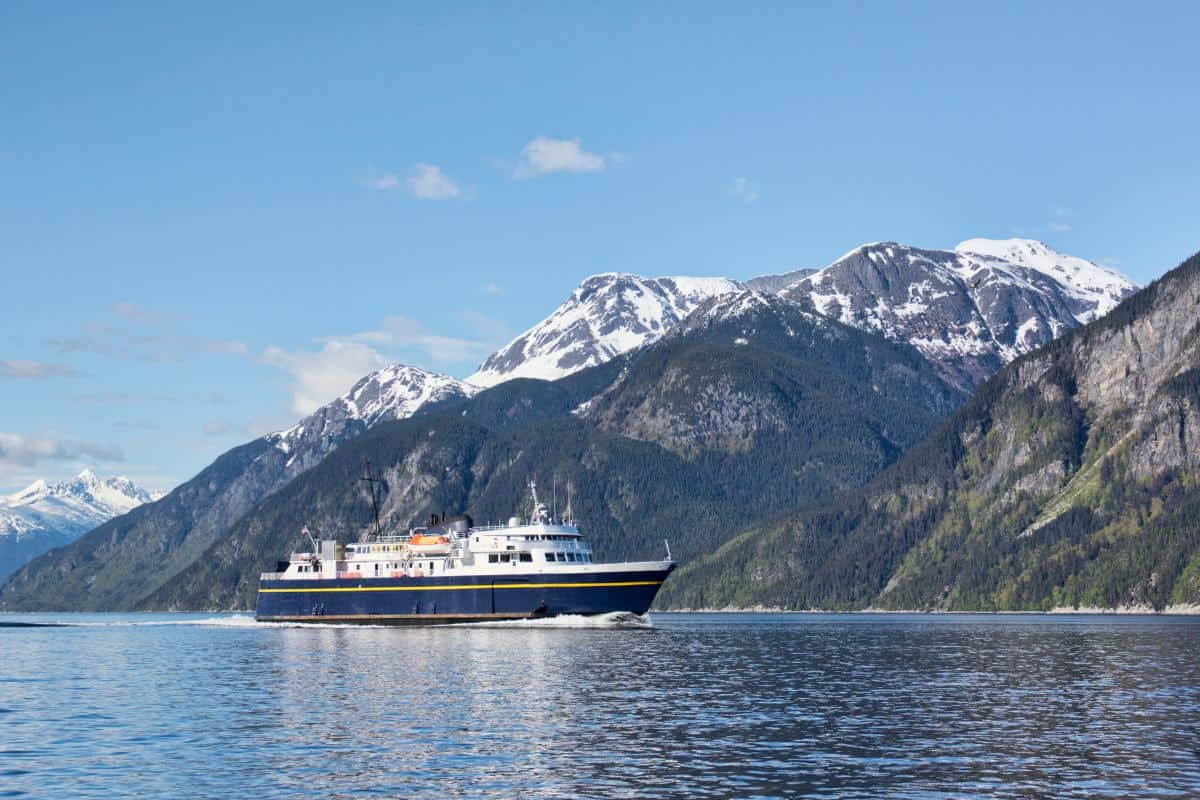
You have two options for traveling Alaska by boat including by cruise line or the Alaska Marine Highway System. Cruises typically depart from Seattle or Vancouver and travel up the Inside Passage to major cities like Juneau, Skagway, and Ketchikan. Some also make their way over to Seward in Southcentral Alaska, but these cruises typically last longer than 11 days.
While cruises provide a wonderful perspective of Alaska’s coastal cities and often include the opportunity to sail through icy, glacier-filled waters, they also lack day trips to popular regions including Denali, Lake Clark and Katmai, and Wrangell-St. Elias.
The Alaska Marine Highway System is a rather straightforward ferry route that travels throughout the Inside Passage, up to and around the Kenai Peninsula, and down through the Aleutian Islands. Ferry travel is quite common in Alaska with many visitors and locals enjoying scenic, affordable rides through the Inside Passage and Prince William Sound.
However, delays and cancellations caused by weather, coupled with severely limited winter services, often render this mode of travel less than dependable for the entirety of your trip.
Car
Car rentals are the most popular way to travel around Alaska since they allow you to keep your schedule flexible. You can stop whenever you want and *almost* wherever you want, allowing you to pull over for quirky cafes, wildlife sightings, and quaint souvenir shops!
If you book far enough in advance, you can often find great deals for under $30 per day which is one of the most affordable ways to get around the state. On the downside, you’ll be in full charge of your own navigating, which means you’ll have to keep your eyes on the road instead of enjoying the scenery for more of your trip.
If you decide to rent a car in Fairbanks during the winter, be sure it’s fitted with the appropriate gear including an engine block heater, heated battery, and heated oil pan. These will allow the vehicle to start after being plugged in when temperatures drop below freezing.
Train
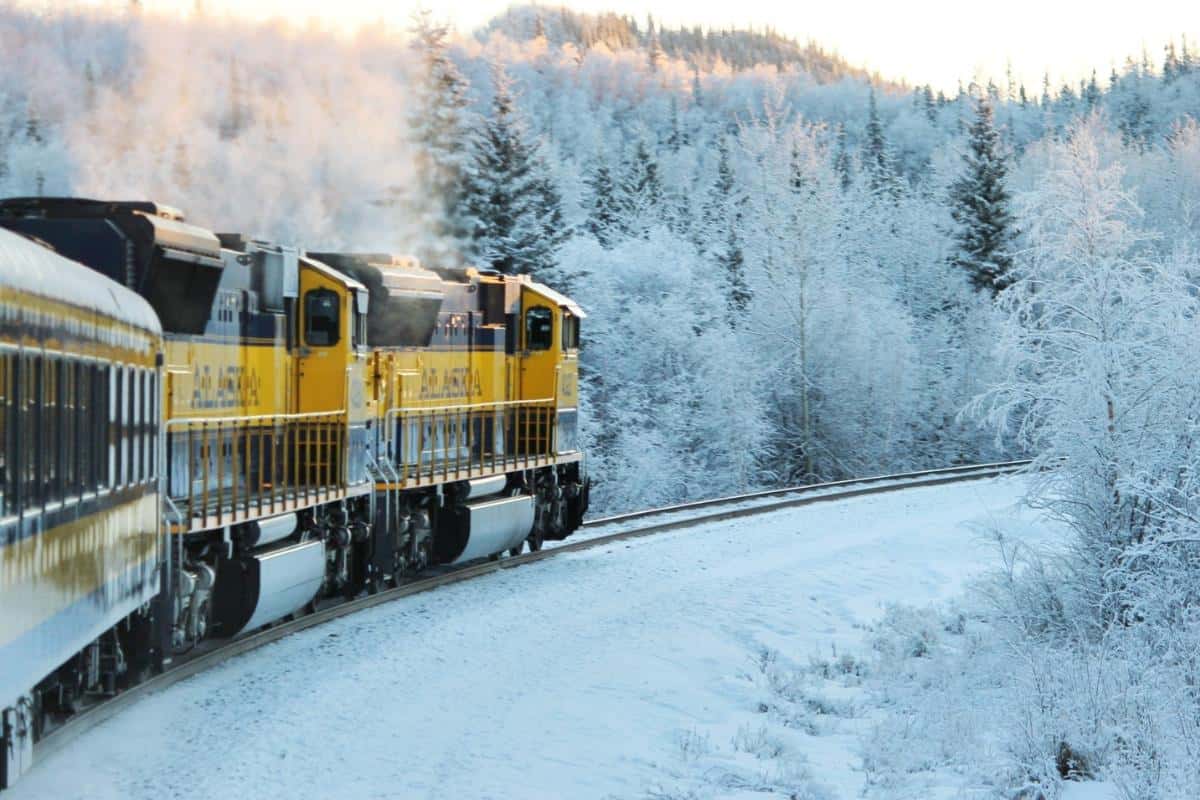
The Alaska Railroad runs through Southcentral and Interior Alaska from Seward to Fairbanks, providing a scenic and luxurious ride for visitors. With stops everywhere from Grandview and Talkeetna to Denali, visitors can enjoy a complete trip through interior Alaska without ever having to drive themselves.
However, since the railroad only runs through the center of the state, those heading to the Southeast region inclusive of Juneau, Ketchikan, Skagway, and Haines will have to rely on other means of transportation to get around.
Plane
Alaska has four major international airports including those in Juneau (the state capital), Ketchikan, Anchorage, and Fairbanks with numerous municipal airports scattered around the state.
Visitors can easily and efficiently get between regions by flight, but it often comes at a higher cost than the aforementioned travel methods.
Overall, it’s best to use a combination of transportation methods to ensure you make the most of your time and budget during your trip!
Local Events & Celebrations
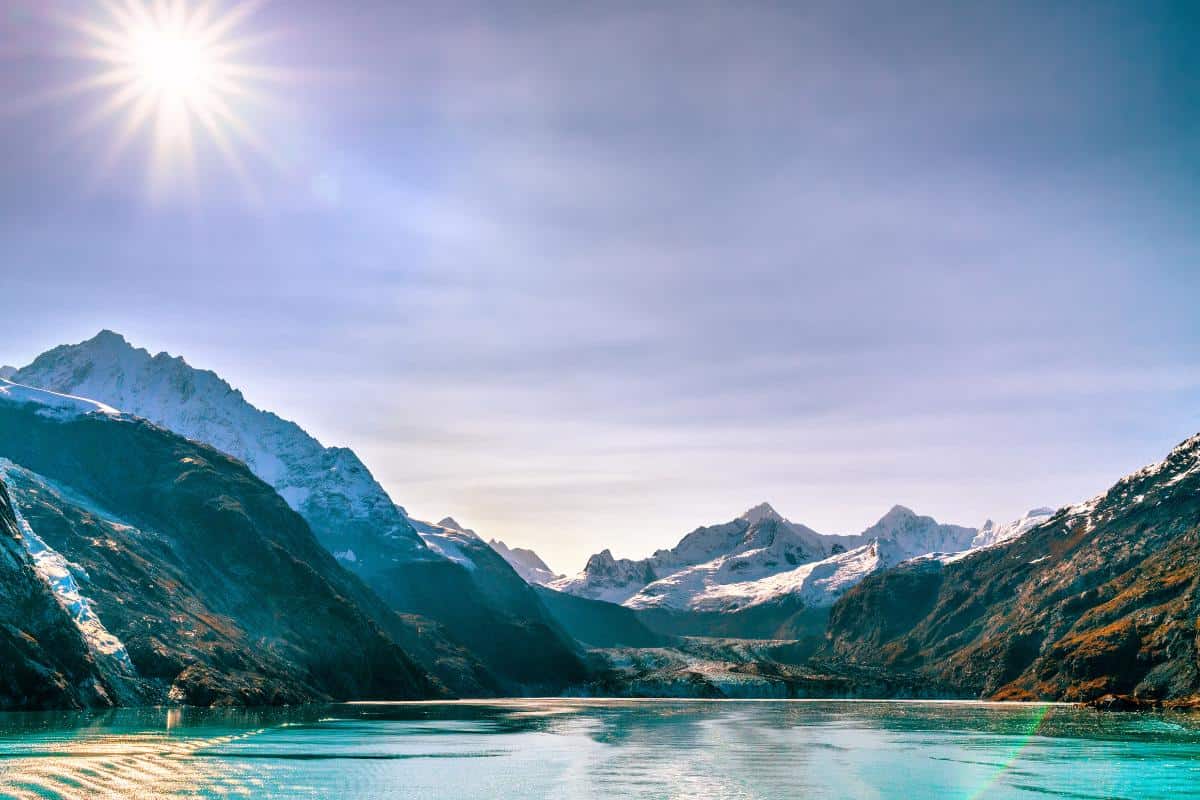
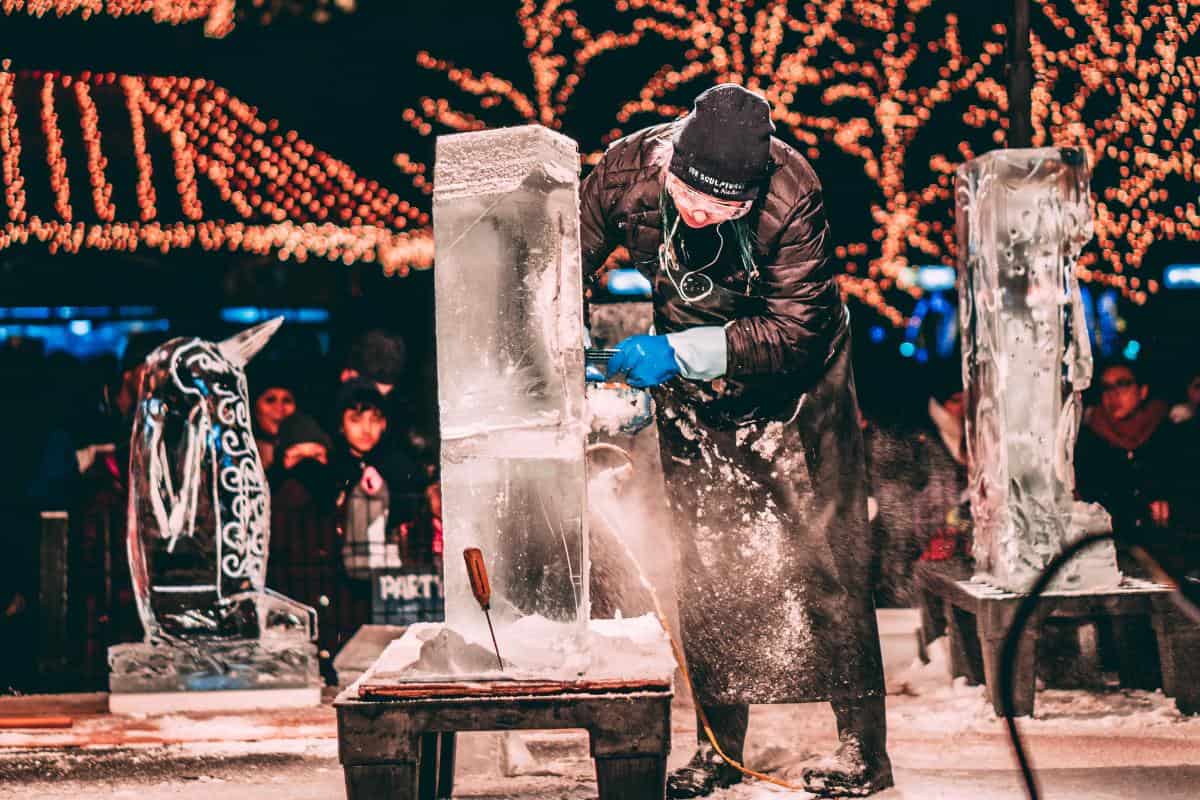
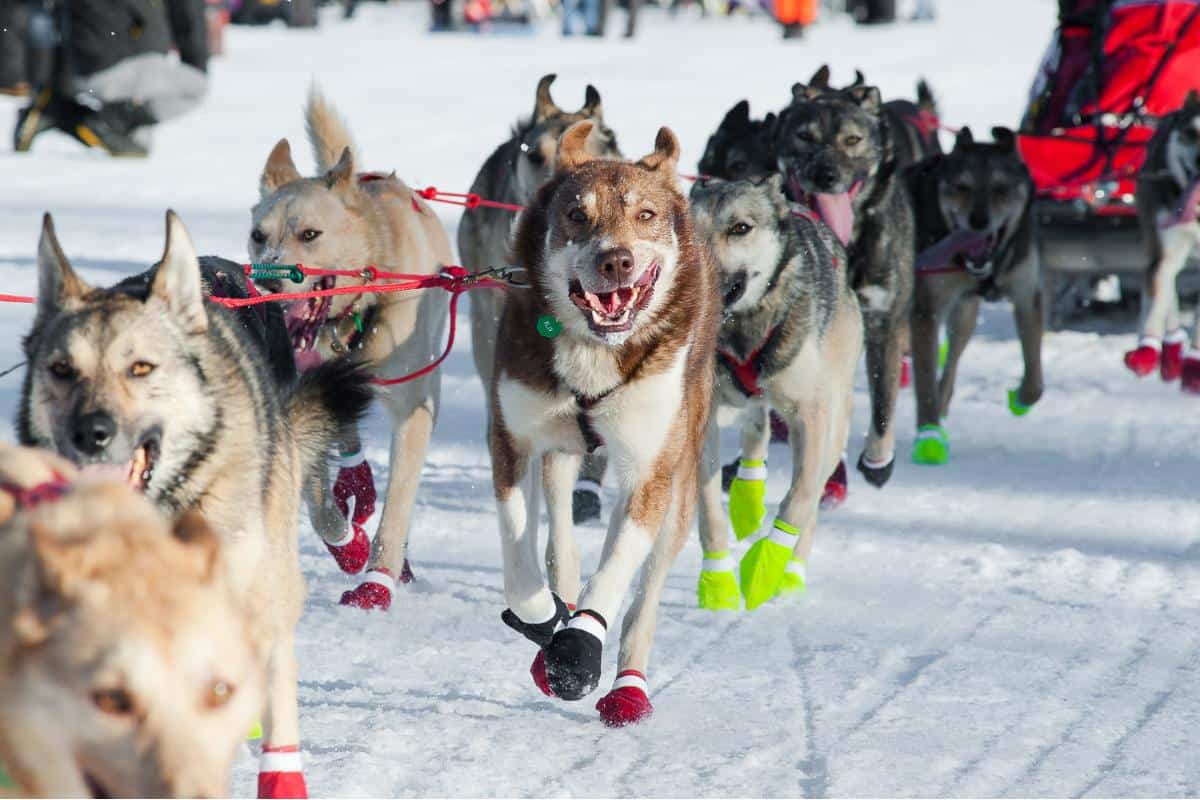
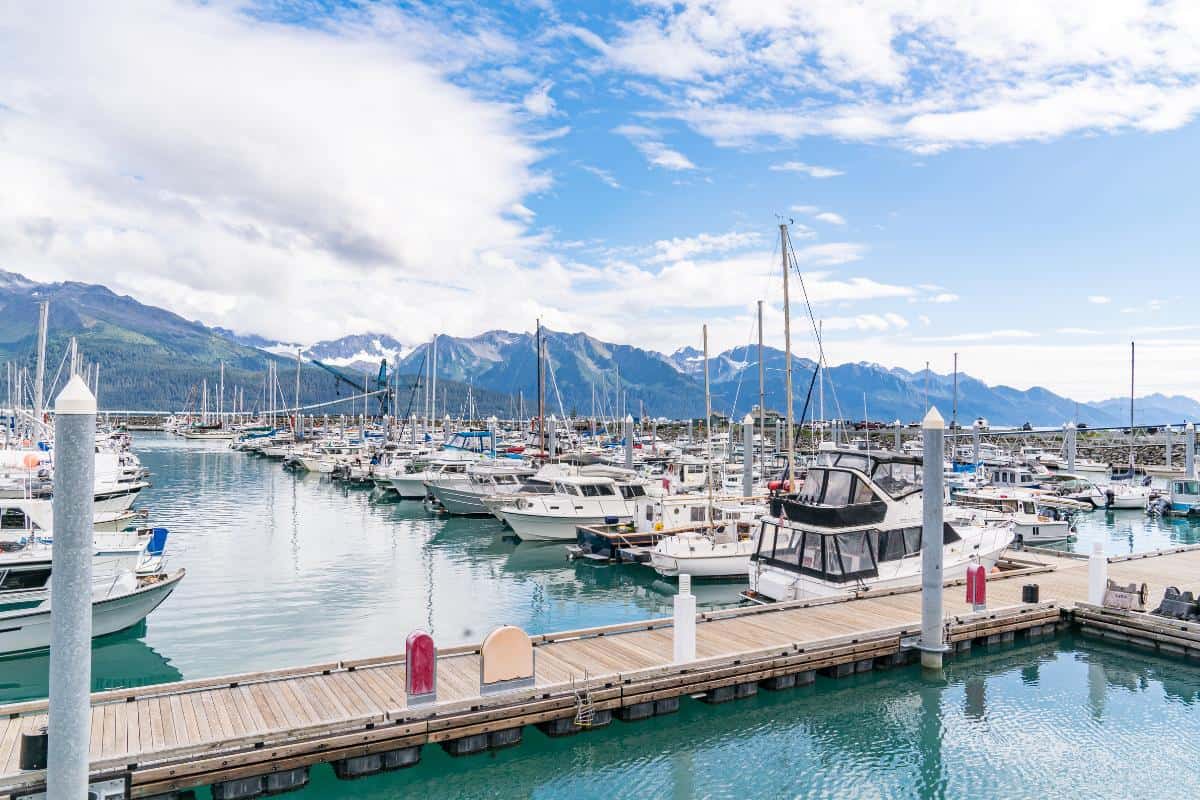
Broken down by city and town, these are some of the most popular events and celebrations in the state. Some are popular across most of North America while others are strictly Alaska festivities, so be sure to check if you can fit any of them into your trip!


Learn More About Alaska
Coming from two people who lived in Alaska, we know TV shows, movies, and books can be dramatic when it comes to describing what life in Alaska is really like. Not everyone lives in an off-grid cabin without running water, modern heat, or electricity.
↪️Fun Fact: The majority of people who do live in Alaska aren’t natives of the state! The majority of the population doesn’t live there year-round and instead are seasonal residents who travel to the Lower 48 during the winter months.
To better understand life in Alaska and to hear some interesting stories about people who live in the state, here are a few of our favorite books and movies!
Life Below Zero – A popular 2013 TV show showcasing the extreme conditions of Alaska for those who choose to live entirely off the land.
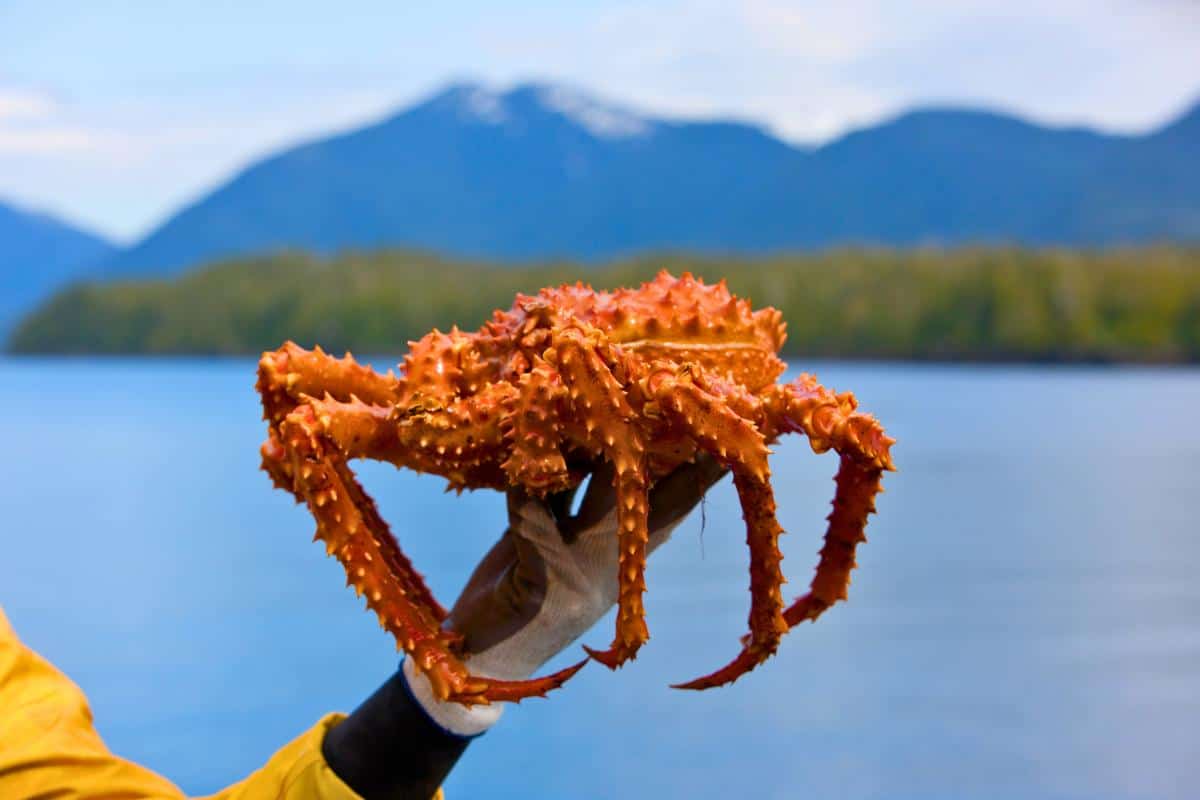
Deadliest Catch – A popular TV series highlighting the dangers of crab fishing in Alaska’s Berin Sea.
Into the Wild – This movie follows the unfortunately short journey of young Christopher McCandless as he makes his way across the country and decides to try living in the Alaskan wilderness on his own.
Togo – This movie tells the true story behind Balto and the start of the Iditarod Race.
The Milepost – A mile-by-mile guide of the Alaska State Highway inclusive of every scenic stop, pothole, popular wildlife sighting point, accommodation, grocery store, and gas station. We used this throughout our drive across Canada and Alaska!
Tip of the Iceberg – This book tells the inspiring story of Mark Adams’ 3,000-mile sea journey across coastal Alaska and the lessons he learned of the state’s struggles with climate change.
FAQ
In this last section, we’ve provided a ton of information on everything you’ll need to know before traveling to Alaska including the best month to visit, what you need to get there, important planning information, and more!
What is the Best Month to Visit Alaska?

For those interested in warm weather activities like fishing, hiking, and wildlife viewing, the peak summer months of June, July, and August are the best time to visit. Weather can still be wet during these months, but it’s when you’ll have the best chances for sun and warmth!
If you’re drawn to winter sports or want to do some northern lights sightseeing, then the best time to visit would be between December and February. However, for a balance of decent weather, fewer tourists, and the chance to witness the spring bloom or fall colors, consider May or September!
What Documents Do I Need to Travel to Alaska?
Traveling to Alaska often requires the same documentation as when you travel to any other state in the United States. If you are a U.S. citizen, no passport is required to enter Alaska, but it is required to have a government-issued ID, such as a driver’s license or a state ID card, for identification purposes.
For international travelers, a passport, typically valid for at least 6 months after your trip, will be required. Additionally, depending on your country of origin and the travel agreements it has with the United States, you may also need to obtain a visa or an Electronic System for Travel Authorization (ESTA) approval prior to your visit.
Always check the latest entry requirements before traveling to Alaska to ensure a smooth journey, particularly if you’re driving from the lower 48!
What is the Best Way to See Alaska for the First Time?

For first-time visitors, the best way to see Alaska is by renting a car and taking a road trip along the scenic highways and byways.
This way, you can experience the stunning landscapes at your own pace and stop wherever catches your eye. Plus, you get a far more local experience than when you just visit the tourist traps in each city.
You also have the option of taking cruises along the Inside Passage which are recommended for their breathtaking views of glaciers, mountains, and marine wildlife, but remember that you’ll have far less control over how much time you spend in each place and the areas that you get to visit.
Plus, they’re usually egregiously overpriced compared to the deals you can find by doing a land tour.
Alternatively, the Alaska Railroad provides scenic train journeys, connecting key destinations such as Anchorage, Denali National Park, and Fairbanks.
Can a US Citizen Drive to Alaska Without a Passport?
No, you cannot drive to Alaska without a passport or other valid government-issued identification used for the purpose of international travel such as a NEXUS card, enhanced driver’s license, or military ID.
↪️ For More Information: You can read more about all of the details on this matter in Can You Drive to Alaska Without a Passport?
Can You Drive from Seattle to Alaska Without Going Through Canada?

Driving from Seattle to Alaska inevitably involves crossing through Canada, so you cannot make the journey without crossing international borders. This means that proper identification and travel documentation will be required to pass through Canadian customs.
Be prepared to show a passport, enhanced driver’s license, or other acceptable documents upon entry and when re-entering the United States. Besides, traveling to Alaska through Canada is actually an exceptional road trip option – one that we’ve done ourselves and cherished!
How Many Days in Alaska is Enough?
In our opinion, traveling to Alaska for a minimum of one week is needed to experience the state’s highlights and a few hidden gems.
But, if you’re able to swing the extra PTO at work, then we’d recommend spending about 10 days to 2 weeks to explore so you have enough time to take a wildlife-viewing tour, maybe go for a hike or a boat ride, check out the national parks, visits a couple of regions, taste some of the freshest seafood you’ll ever have in your life, and so forth.
However, if you’re limited on time, there are many options for shorter trips to Alaska, such as taking a weekend cruise or a quick four-day getaway. Any time in The Last Frontier is better than no time at all!
Is it Safe to Visit Alaska?

Alaska is generally very safe, but visitors should always be aware of potential hazards and take precautions when venturing into the wild. As mentioned previously, make sure to research and understand the environment and weather conditions before participating in any outdoor activities.
The majority of safety issues stem from a lack of knowledge surrounding proper wildlife interactions, extreme weather conditions, and inexperience with remote camping or hiking.
If you plan on exploring Alaska’s wild side, then make sure you have the necessary survival gear and knowledge to stay safe. As for crime rates, Alaska doesn’t have a good standing due to its skewed population size and poverty within the major cities, but this has rarely affected tourists.
What is the Cheapest Month to Visit Alaska?
The cheapest month to visit Alaska is typically April or October. During these shoulder seasons, you’re likely to find lower prices on accommodations and tours, as they fall between the end of winter activities and just after the peak summer season.
However, keep in mind that some attractions may have limited availability or be closed as these are transitional periods for tourism in the state. We always suggest confirming the opening dates and services available for any activities or places you plan to visit during these months.
Do You Need Shots to Go to Alaska?
Generally speaking, there are no special vaccinations required for traveling to Alaska for U.S. residents.
However, it’s typically recommended to be up to date on routine vaccines such as influenza, chickenpox, polio, measles/mumps/rubella (MMR), and the diphtheria/tetanus/pertussis vaccine.
If you’re at all concerned about your health before traveling to Alaska, it’s best to consult with a healthcare provider before your trip.
How Far in Advance Should I Plan a Trip to Alaska?

Planning a trip to Alaska warrants a clear-eyed approach and ideally, you should begin mapping out your journey 6 to 12 months in advance.
This time frame allows you to research thoroughly, secure accommodations, and book excursions without the added pressure of limited availability. Early planners often have the luxury of snapping up early bird specials and more competitive rates, particularly for cruises and popular tours.
Remember that waiting too long could mean missing out on the best flights, lodging, and activities, as Alaska’s peak tourist season from June to August fills up very quickly.
What Month are the Northern Lights Most Visible in Alaska?
The northern lights, or Aurora Borealis, are most visible in Alaska during the winter months, from late September to early April, with the peak months for Aurora viewing typically lying between December and February when nights are darker and the skies clearer.
During these times, the probability of witnessing a spectacular light show increases, particularly in areas with little light pollution. Visitors traveling to Alaska primarily to see the northern lights should plan to stay for at least a few nights to increase their chances, as aurora activity is often unpredictable and dependent on weather conditions.
↪️ Pro Tip: We lived in Fairbanks for 5 weeks from November until early December without seeing any aurora activity, until they finally started making their debut in mid-December.
Some years are better than others for aurora viewing with beautiful shows starting in September, so it’s important not to measure the success of your trip on whether or not you see them! They’re very difficult to predict, so for the best chance of seeing them we recommend visiting Alaska in the dead of winter and staying for at least a week if you can!
Alaska is a vast and diverse state with endless opportunities for adventure. From wildlife sightings to stunning landscapes, The Last Frontier. With proper planning, research, and precautions, you can have an unforgettable time traveling to Alaska!
For more help with planning your trip to Alaska, take a look at our complete Alaska Travel Guide.


