
Where to See Northern Lights in Alaska: 13+ Secret Spots!

Wondering where to see northern lights in Alaska? We spent 5 weeks in the deep interior f the state before finally seeing them, so we know how anxiety-inducing it can be to be traveling to The Last Frontier and not know where to look!
After a lot of trial and error, talking to the locals, and eventually befriending a professional aurora photographer, we were finally fortunate enough to see the northern lights a few dozen times.
We know what it takes to ensure the highest possible chances of seeing the auroras, so scoping out the best spots and identifying when it’s looking like a good night to grab our camera and make a pot of coffee is what we do best!
Fortunately for travelers hoping to get a glimpse of the auroras on a winter trip to Alaska, one of the most common and accessible places to see the northern lights in Alaska is Fairbanks!
Located north of Anchorage, Fairbanks sits squarely under the auroral oval – a ring around the magnetic pole where aurora activity is most frequent and intense. Luckily, Fairbanks is served by an international airport, which makes it super easy for tourists to access top northern lights viewing destinations in Alaska!
In this post, we’ve not only provided our complete list of the top spots to view the lights, but also a custom map of our favorite spots to go northern lights hunting.
We’ve also provided a ton of essential information to help with your search from the cheapest way to see the auroras to the odds of spotting them in different cities across the state, this is your ultimate guide to seeing the northern lights in Alaska!
Where to See Northern Lights in Alaska
1. Murphy Dome Road

In our opinion, you won’t find better northern lights viewing opportunities outside of Murphy Dome unless you travel over 250 north of Fairbanks to the tiny town of Coldfoot. Now, you may read elsewhere that the Murphy Dome Summit is the #1 place near Fairbanks for aurora viewing, but we’d disagree.
The summit is often packed full of cars, making a less-than-picture-worthy backdrop for the night sky, and most people don’t think to turn off their headlights, washing out the color of the auroras.
We’ve always gotten the best photos by pulling over on the side of the road about 1/2 mile before the summit, where the road widens and you have shorter trees on either side of you.
This provides the most optimal viewing backdrop since you’ll rarely have other cars passing you and the snow-covered trees are the perfect backdrop to the vibrant lights!
2. Cleary Summit
This spot is a short drive from Fairbanks, about 20 miles from the center of town, and is well-known amongst locals. It’s a much smaller parking area than Murphy Dome Summit, providing only about 10-15 tightly packed car spots.
If you’re lucky enough to be there when there are only a few cars, then it can be a great vantage point. However, if it’s already quite crowded when you arrive, then we’d suggest going to Murphy Dome instead.
The road to get to Cleary Summit is also quite steep, so you’ll want to ensure you have well-treaded winter tires on your vehicle before heading up there!
3. Chena Hot Springs Road
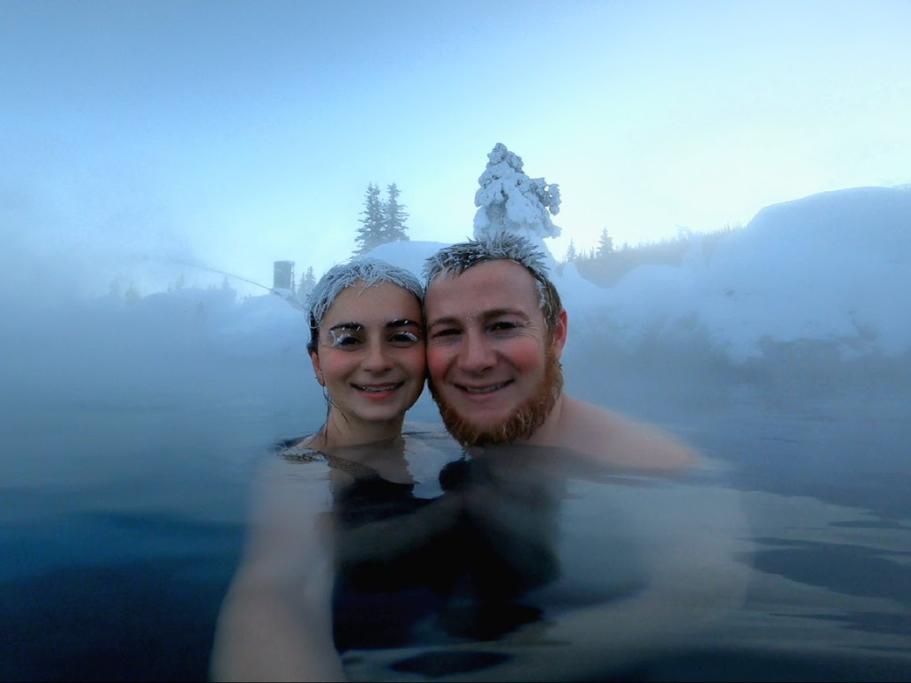
Less than an hour’s drive from Fairbanks, Chena Hot Springs Road on the eastern side of the city is a popular spot to see northern lights thanks to its complete lack of light pollution. However, coming from a couple who lived near here, we disagree with most travel websites and guides that say it’s the “best” place to go.
The trees on either side of the road are extremely tall, often cutting off your view of the auroras in the distance. If you’ll be visiting the Chena Hot Springs Resort anyway, then it’s well worth visiting in the evening hours just for the hour’s drive back in near complete darkness for the highest chance of spotting any aurora activity.
But, if not, then we’d recommend leaving this as Plan B or C if you’ll be in Fairbanks.
4. Denali National Park and Preserve
Catching the northern lights within the wild and expansive boundaries of Denali National Park is an experience of a lifetime. Being away from city lights, the view of the auroras here is exceptional on a clear night!
However, since Denali Park Road is not maintained during the winter months, you may have a bit of trouble getting into the park depending on the recent weather.
But, if you’re lucky enough to time your arrival just right between the park shutting down and the beginning of consistent heavy snowfall, then you could just see one of the most beautiful displays of the northern lights in Alaska!
5. Coldfoot Camp
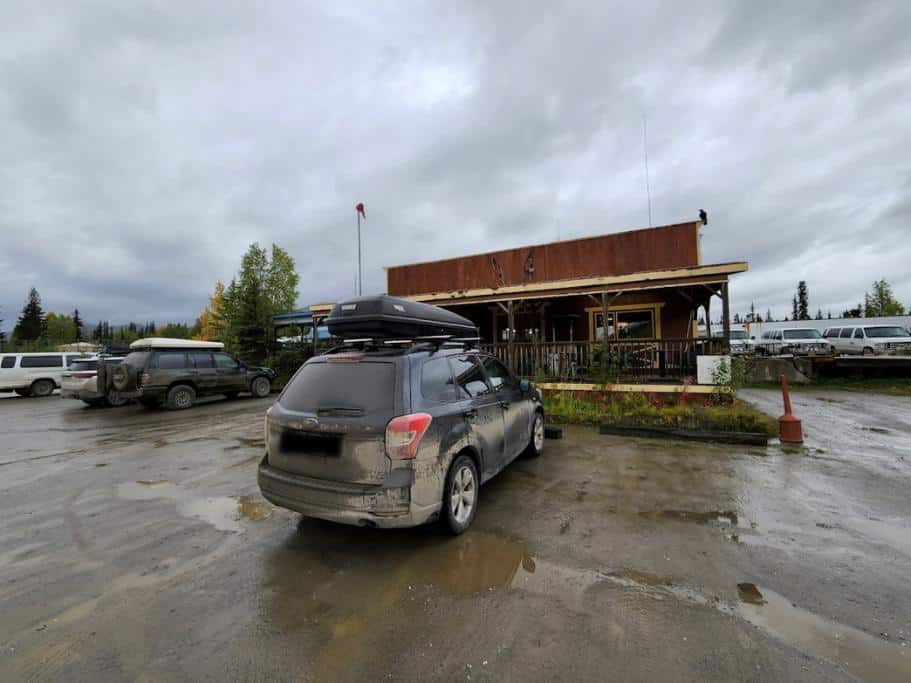
Situated in the Brooks Range and well within the Arctic Circle, Coldfoot Camp serves as a rustic and adventurous location for aurora seekers truly wanting to immerse themselves in the remote Alaskan wilderness.
Just keep in mind that Coldfoot is about 254 miles north of Fairbanks, and the Dalton Highway is treacherous in the summer months. We drove it in the months of August and September and just barely missed a massive snowstorm that stranded dozens of travelers.
Coldfoot isn’t a place you visit on a whim and requires quite a bit of planning and preparation. However, if you are up for the adventure, then you could possibly see the northern lights in one of the most remote destinations in Alaska!
6. Hatcher Pass
Situated almost directly between Talkeetna and Anchorage, Hatcher Pass is widely known as one of the most beautiful mountain passes in Alaska. The region here is surrounded by epic mountains and deep valleys with very little light pollution, ultimately creating the most perfect scenery for your aurora photos.
Most people don’t realize this pass is even here and instead drive directly north from Anchorage to Talkeetna where they’ll get Mount Denali views from the Susitna River.
But, if you have time to make an hour detour (about 36 miles each direction) here during the winter months, then you could be rewarded with zero tourists and insane views!
7. Anchorage
While a bigger city like Anchorage might not be your first thought for where to see northern lights in Alaska, spots like Flattop Mountain in Chugach State Park provide a high vantage point above the city glow, giving city dwellers a chance at a decent show.
However, due to the city’s location further south, the aurora activity is not as frequent or intense compared to Fairbanks. But, if you’re lucky and have a clear night during your visit to Anchorage and the aurora forecast is looking good, then it’s definitely worth making the drive up!
8. Valdez

A little-known gem in terms of northern lights viewing, Valdez is a small town located on Prince William Sound and offers incredible opportunities for spotting auroras. With its prime location in the mountains, you can easily escape city lights and enjoy a clear view of the night sky.
Plus, during the day you can also take part in some amazing winter activities like ice fishing or skiing, making it a great destination for a winter vacation in Alaska.
9. Nome
Located on the far western coast of Alaska, Nome is another remote destination that offers some of the most spectacular northern lights viewing opportunities in the state. With very little light pollution and its close proximity to the Arctic Circle, you have a high chance of seeing some dazzling auroras.
We’re not going to lie to you though, getting to Nome is an epic adventure in itself due to its extreme remoteness requiring transport by plane or snowmachine.
10. Gates of the Arctic National Park

For the truly adventurous souls, Gates of the Arctic National Park in northern Alaska is a remote and wild destination for chasing the northern lights.
It’s the second largest national park in the US, with no roads and few trails within its boundaries, making it an ideal spot for those seeking a truly off-the-grid experience.
Keep in mind that visiting this park requires extensive planning and preparation, as well as the right gear and equipment for extreme winter conditions due to its location far north on the Dalton Highway.
That being said, if you’re up for the challenge then you could experience the northern lights in such a remote and untouched location that not a single other soul may be there to share it with you!
11. Utqiagvik (formerly known as Barrow)
Utqiagvik, the northernmost city in the United States, easily offers one of the top opportunities to see the northern lights in the entire country! It’s no easy feat getting here and temperatures frequently drop well below zero, so an abundance of warm layers quality cold weather gear will be required for a winter visit.
This is typically where travelers come to see polar bears in Alaska, so if that’s on your Alaska bucket list, then why not try to combine the experience?
Particularly if you plan on visiting in the winter months, you’ll have endless opportunities for aurora viewing here since Utqiagvik experiences a polar night!
12. Prudhoe Bay
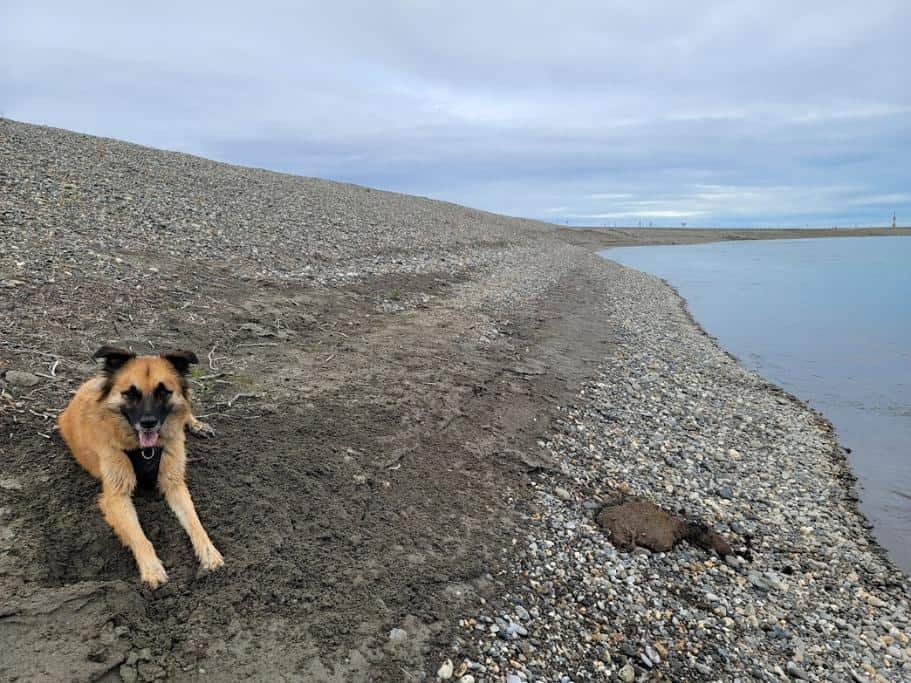
Located just east of Utqiagvik, Prudhoe Bay is another remote destination that offers incredible opportunities for viewing the northern lights, but it’s actually on the road system so you can drive to it on your own unlike Utqiagvik.
Situated at the end of the Dalton Highway deep within the Arctic Circle, there are only 25 official inhabitants (with 2,000-3,000 employees of the oil fields) meaning that your light pollution will nearly hit zero and your competition for a spot to set up your tripod will be limitless.
There are also no trees this far north and all “buildings” are no more than a story or two high, so you’ll have endless coastline and sky for incredible photos!
13. Delta Junction
As the official end of the Alaska Highway, Delta Junction is a prime location for viewing the northern lights in Alaska, about 98 minutes by car southeast of Fairbanks.
In fact, there were several nights we were scoping out the aurora scene near Murphy Dome when we saw that viewing conditions in Delta Junction were far superior to where we were, so we jumped in the car and made our way there instead!
If you’re flying into Fairbanks, we typically recommend staying there since there are more viewing locations in every direction around the small city, but it’s not a bad idea to keep an eye on Delta Junction’s aurora forecast if you’re in the area.
14. North Pole

Situated a bit farther north on Route 2 when coming from Delta Junction, the town of North Pole is just 16 minutes by car outside of Fairbanks and offers a unique and festive way to experience the northern lights in Alaska.
The entire town is holiday-themed with unique attractions like visiting Santa’s Village, making it a fun and family-friendly destination for aurora viewing. Naturally, the center of town isn’t great for viewing due to the light pollution, however, the outskirts of the city on all sides provide incredibly dark conditions and beautiful pine tree-lined roads making for excellent aurora backdrops.
Plus, the Aurora Forecast often shows “Excellent” viewing conditions here, making it ideal for people not looking to travel very far from the international airport for a chance to spot the auroras!
Northern Lights Alaska Map
We created this map to help you see the top aurora viewing locations in the state of Alaska. Of course, you won’t be able to get everywhere in a single trip, but it should help you identify the best spots to include in your itinerary!
FAQ
In this last section, we’ve provided ample information on the best time to see the northern lights, our top destination choices for going aurora viewing, and even what your odds are of spotting the northern lights in the 49th state!
Where in Alaska is Best to See the Northern Lights?

The best place in Alaska to see the northern lights is where there is little to no light pollution including Coldfoot, Nome, Utqiagvik (Barrow), and Deadhorse (Prudhoe Bay).
However, since these destinations lie deep within the Arctic Circle and are often exceedingly difficult to reach in the winter months, more accessible options include the viewing areas surrounding Fairbanks.
In our opinion, Murphy Dome Road is the best place in Alaska to see the northern lights since it provides optimal, low light pollution aurora-viewing opportunities without the need to book a private helicopter to take you up to the Arctic Circle.
Far more affordable and accessible, the viewing areas we’ve included on the map above near Fairbanks are easily among the top choices for people hoping to see the auroras during their Alaska itinerary!
What Month is Best to See the Northern Lights in Alaska?
The best month to see northern lights in Alaska is December due to its long, dark nights and high solar activity. This is when the winter solstice occurs, providing nearly 22 hours of darkness each day in Fairbanks!
However, other prime months for aurora viewing in Alaska include November, January, and February. Technically speaking, the months with the highest auroral activity are September and March, but this time of year is also associated with ample rain and clouds.
So, even though auroral activity may be high during your trip, it’s essential to look at average weather forecasts to see when chances for a clear sky are at their peak!
↪️Pro Tip: High aurora activity + clouds = no northern lights viewing
Low aurora activity + clear skies = higher chance of northern lights viewing
What is the Cheapest Way to See the Northern Lights in Alaska?
The cheapest way to see the northern lights in Alaska is by visiting one of the many accessible viewing areas near Fairbanks in your own rental car.
However, we don’t recommend this to just anyone.
The road conditions in Alaska in the winter can be treacherous, and we’ve dug too many cars out of snowbanks driven by unprepared tourists to make it seem like it’s something you should consider without a heightened level of confidence driving in extreme winter conditions.
Unfortunately, people die in Alaska every year going northern lights hunting on their own due to not being prepared for the extreme temperatures and perilous road conditions. Your rental car would need to be equipped with advanced snow tires, an engine block heater, a heated oil pan, a battery heater, and be stocked full of emergency supplies.
Unless you plan on renting a $2,000+ car and traveling with a suitcase full of emergency items and extra blankets, then taking a guided tour is the best way to go. Sure, it’s not the cheapest, we’ll give you that. However, they provide the safest, most comfortable, and by far the most successful options for viewing the northern lights in Alaska.
No need to worry about accidentally going off-roading, navigating icy conditions, following directions, or carrying emergency kits. The local tour companies do everything for you, and most of them provide hotel pick-up and drop-off in Fairbanks!
Do yourself and the local that’s going to have to pull you out of a snowbank a favor, and book one of these 10 BEST Alaska Northern Lights Tours in 2025 instead. The sourdoughs thank you!
How Often Can You See the Northern Lights in Alaska?

You can usually see the northern lights 2-3 out of every five nights in Alaska.
But, while the northern lights are technically out every night in Alaska, it’s not possible to see them every night in Alaska due to since solar activity, weather conditions, and light pollution, all of which affect the visibility of the auroras.
If you want the highest chances of seeing the aurora during your winter trip to Alaska, then it’s best to plan on spending at least 5 nights in the interior of the state!
Can You See the Northern Lights in Alaska in May?
May in Alaska is characterized by increasing daylight hours as the region approaches summer, which greatly reduces the chances of observing the northern lights due to the brighter night skies.
It’s the beginning of the Midnight Sun phenomenon, which is when darkness is scarce and the sky is not dark enough at night for the auroras to be visible.
If you’re primarily visiting Alaska to see the northern lights, then it’s best to come during the peak winter season, particularly from late October to late March, when night skies are at their darkest.
Can You See the Northern Lights in Alaska in July?
Seeing the northern lights in Alaska during July is highly unlikely due to the long daylight hours brought on by the midnight sun, where the sun barely sets below the horizon.
Alaska experiences prolonged daylight during the summer months (typically around 19-22 hours of sunlight per day), making it nearly impossible for viewing the auroras. To maximize your chances of seeing the lights, you’ll need to plan your visit during the darker months from October to March.
What are the Odds of Seeing the Northern Lights in Alaska?

In the aurora zone around Fairbanks, during peak viewing season which runs from late August to April, there is about a 50-75% chance of witnessing the auroras on any given clear night. Yes, it must be clear!
While calculating the precise odds of seeing the northern lights in Alaska can be challenging due to variables like solar activity and weather conditions, there are general patterns that can be observed.
To further increase your odds, be prepared to stay up late or wake up early, as the northern lights are often most active from 10 PM to 2 AM.
Is Denali National Park or Fairbanks Better for Northern Lights?
While Denali may have the upper hand when it comes to breathtaking natural scenery and a lower volume of light pollution, Fairbanks is the better option for viewing the northern lights since Denali Park Road is not maintained in the winter and therefore is often impassable.
So, if you’re visiting Alaska in the winter months, you’re better off staying near Fairbanks since you’ll have ample opportunities for aurora viewing and be nearby a major city that doesn’t shut down like Healy (the city right outside of Denali National Park).
Is Anchorage or Fairbanks Better for Northern Lights?
Fairbanks is far better for northern lights viewing than Anchorage thanks to its interior location in the center of the state.
Anchorage, unfortunately, lies very far south of the aurora oval, considerably dropping your chances of being able to see the northern lights there.
This isn’t to say that it’s impossible to see them or that they’ve never been seen here. It’s just better to travel as far north as you can if your goal is to see the northern lights on your trip to Alaska.
Can You See the Northern Lights in Ketchikan Alaska?

Ketchikan, located in southeastern Alaska, is not typically known for northern lights viewing due to its southern latitude and frequent cloud cover.
However, on rare occasions when the aurora is particularly strong and the skies are clear, it is possible to catch a glimpse of the northern lights in Ketchikan.
Can You See the Northern Lights in Juneau, Alaska?
Juneau, similar to Ketchikan, is positioned in Southeast Alaska and has limited northern light visibility due to its southern location. Most northern lights hunters will be disappointed here because the auroral activity is comparatively weak and less frequent.
However, during periods of exceedingly strong solar flares when the skies are clear and dark, there’s a slight possibility to see the aurora borealis.
How Likely Is It to See the Northern Lights in Anchorage?

Despite Anchorage’s large size and abundance of light pollution, there is still a small chance to see the northern lights from this major city in Alaska.
Aurora activity here is often quite low and skies are often cloudy due to its coastal position, but if it’s the only place you’ll be visiting in the state, then you could try making a quick trip up to Flattop Mountain in Chugach State Park for better chances and a more scenic overlook.
What City in Alaska Can You See the Northern Lights?
Fairbanks is often hailed as the best city in Alaska for viewing the northern lights, thanks to its geographic location under the “Aurora Oval”. We lived all over the state and we can also attest to this city being our personal favorite for optimal spotting conditions!
This city provides a perfect balance of accessibility thanks to its international airport and prime viewing conditions, with numerous tours and lodging options that cater to aurora enthusiasts.
Those wondering where to see northern lights in Alaska should consider starting in Fairbanks for the highest chance of catching this natural phenomenon in action. Plus, it’s also easy to combine your winter visit here with snowmobile tours, ice fishing, holiday markets, and cross-country skiing!
Can You See the Northern Lights from a Cruise Ship in Alaska?
While some cruise lines advertise northern lights viewing on their Alaska voyages, it’s important to manage your expectations and understand that the chances of seeing the auroras from a cruise ship are pretty low.
Cruise ships travel through popular coastal areas like the Inside Passage which have higher light pollution and lie far below the aurora oval, which greatly reduces the possibility of observing the northern lights.
Additionally, many Alaska cruises stop operating in the winter, so you’ll be stuck with a severe lack of darkness on a spring or summer cruise.
If you’re hoping to see the northern lights in Alaska, it’s best to plan your trip for the peak winter months and choose a location with limited light pollution.
Knowing where to see northern lights in Alaska and understanding the factors that affect their visibility can greatly increase your chances of catching this spectacular natural phenomenon!
For a complete list of resources for visiting The Last Frontier, check out The Essential Guide to Traveling to Alaska!


