
Is Alaska Safe for Tourists? Crime, Wildlife, & Weather

Is Alaska safe? It’s one of the first questions people ask us when they’re planning a trip to the Last Frontier, and it’s a fair one. Alaska is big, wild, remote, and home to everything from bears and moose to icy roads and unpredictable weather.
But having lived all over the state, from bigger cities like Anchorage and Fairbanks to tiny towns like Ridgeway and Tok, Sean and I can tell you this: Alaska can be incredibly safe, as long as you know what to expect and how to prepare.
In this post, we’ll break down what safety really looks like in Alaska. From wildlife and wilderness concerns to crime, weather, road conditions, and solo travel tips, we’re sharing what we’ve learned after years of exploring the state as both residents and travelers.
Whether you’re planning a summer road trip, a winter aurora adventure, or something in between, this guide will help you travel smarter and with way more confidence.
Is Alaska Safe for Tourists?
In short: yes, Alaska is generally safe for tourists, especially those who come prepared. But “safe” in Alaska doesn’t always look like it does in other parts of the U.S. You’re far more likely to deal with moose on a hiking trail or a surprise snowstorm in May than anything involving crime or unsafe neighborhoods.
That said, Alaska is a place where preparation matters. Because the state is so remote and rugged, many of the potential safety concerns have more to do with weather, wilderness, and isolation than typical urban risks.
And from personal experience, Sean and I can say that most visitors feel totally comfortable here as long as they follow a few smart travel habits.
The reality is, millions of people visit Alaska every year by road, rail, cruise ship, and bush plane, and the vast majority of those trips go off without a hitch. Whether you’re walking the streets of Anchorage, hiking in Denali, or camping outside of Skagway, safety usually comes down to a mix of common sense, awareness, and basic preparedness.
In the rest of this guide, we’ll dig into specific topics like crime rates, wildlife encounters, road conditions, and seasonal challenges so you can get a clear picture of what’s realistic, and what’s mostly rumor.
✅ Spoiler: It’s not as wild-west as some people think, but it is a place that rewards travelers who do their homework. Luckily, that’s exactly what you’re doing.

Alaska Crime Rates
It’s essential to understand crime rates in context, otherwise you may freak out a little when you see the numbers. Alaska’s crime rates often appear disproportionately high when compared to other states.
This is partly due to its small population; with fewer residents, each crime has a more significant impact on the overall rate.
Violent Crime Rates
According to the Criminal Records & Identification Bureau’s Annual Report, Alaska’s violent crime rate has seen fluctuations over the years.
While there have been periods of decline, the rate remains higher than the national average. For instance, in 2023, the violent crime rate was reported at 7.59 incidents per 1,000 residents, compared to the national average of 3.7 per 1,000 residents.
Property Crime Rates
Property crimes, including burglary, larceny-theft, and motor vehicle theft, have shown a general downward trend in Alaska over recent years. However, despite these improvements, Alaska’s property crime rate remains higher than the national average.
In 2023, the state reported a property crime rate of 17.89 per 1,000 residents, while the national average stood at 15.5 per 1,000 residents.

Most Common Crimes in Alaska
The most common crimes reported in Alaska fall under property crime, particularly larceny-theft, burglary, and motor vehicle theft. According to the 2024 report, these three categories make up the core of Alaska’s property crime landscape.
The report also highlights that more property crimes are reported than violent crimes, a trend that is consistent both statewide and nationally.
On the violent crime side, the most frequently reported offense is aggravated assault, followed by other categories like robbery, rape, and homicide. These are grouped together in state crime reporting systems as part of the overall violent crime rate, which stood at 728 per 100,000 residents in 2023, compared to the U.S. average of 364 per 100,000.
It’s important to keep in mind that Alaska’s small population can make crime rates appear disproportionately high when measured per capita. The majority of violent crimes are not random and often occur between individuals who know one another.
For most visitors, particularly those staying in populated or tourist-friendly areas, the risk of being impacted by these types of crime is very low, especially when taking standard precautions like locking up gear and avoiding isolated areas at night.
It’s important to remember that Alaska’s small population can skew per capita crime statistics, making them look higher than they might in larger states. In reality, the risk to travelers remains low and manageable.

Wildlife Safety Guide for Alaska
If you’re visiting Alaska, there’s a good chance you’re hoping to see wildlife and you absolutely should! Bears, moose, caribou, eagles, whales, wolves, and more are all part of what makes this state feel wild and alive. But with those incredible wildlife encounters comes a responsibility to stay safe, not just for you, but for the animals too.
Sean and I have crossed paths with plenty of Alaska’s wild residents while hiking, fishing, driving remote roads, and even just walking out our back door. Here’s what we’ve learned and what every visitor should keep in mind:
Bear Safety (Brown & Black Bears)
Bears are probably the biggest concern for many visitors, but with a little knowledge, the risk of a negative encounter is extremely low. Most bears don’t want anything to do with you. They’re either looking for food or just minding their own business.
- Make noise while hiking especially in dense brush or near rivers so you don’t surprise one. A female (known as a “sow” protecting her cubs will almost always react defensively.)
- Carry bear spray (and know how to use it!). You can rent it in Anchorage or pick it up at outdoor stores around the state. Just don’t try to fly with it since it’s not allowed in your carry-on or checked bag according to TSA.
- Keep a clean campsite or picnic area. Never leave food, trash, or scented items unattended or on your person while sleeping.
- If you do see a bear, stay calm, back away slowly, and never run. Give the bear plenty of space and allow them to have the right of way. Move off the trail or out of their way and keep talking in a low, calm voice. Usually, they’ll move on within a minute or two as long as there’s no food to be found.
In more remote areas like Katmai or the backcountry of Denali, you may need a bear-proof food container, and it’s smart to travel in groups.

Moose Safety
Moose may look slow and gentle, but they are not to be underestimated. They’re one of the most commonly seen large animals in Alaska, often right in town or on the side of the road, and they can become aggressive if startled or if they’re protecting calves.
In fact, more people are injured by moose every year than bears, so keep this tips in mind:
- Never EVER approach a moose, even if it seems calm. They will go from standing still to running at upwards of 35mph in a matter of seconds.
- If it lays its ears back, raises its hackles, or walks toward you, that’s a sign it’s agitated. Back away immediately. Moose are extremely territorial and if they feel that you’re in “their space” they will do whatever it takes to get you out of it.
- During winter, moose often walk along plowed roads and trails. Give them a wide berth and never try to “walk past” or “go around” a moose on a narrow trail.
Other Wildlife (Wolves, Caribou, Foxes, etc.)
These animals are less likely to pose a danger but still deserve respect. Keep your distance, use a zoom lens for photos, and never feed wildlife. It’s not just unsafe, it’s illegal in many parts of the state for good reason.
- Wolves, coyotes, and foxes are typically shy and avoid people. If they do approach you or start to show signs of staring, snarling, have raised hackles (the hair on the back of their neck), are growling, start to lunge at you, and are barking unprovoked, then stay calm and make yourself look large and aggressive.
Without turning your back to the animal, slowly back away while making loud noises and throwing anything you can find like rocks. Whatever you do, don’t run! - Caribou and muskoxen may become aggressive if cornered or approached too closely, and similar to a moose, they will not hesitate to charge you. They are enormous, muscular animals that will trample you and try to pierce with their horns. Yeah, not fun.
- Porcupines and beavers? Just cool to watch from afar! Again, give them space (at least 100 feet), but you can take photos as long as your quiet and calm. If they start showing signs of discomfort like staring at you, stopping eating, or moving farther away from, you should leave the area.
Marine Wildlife
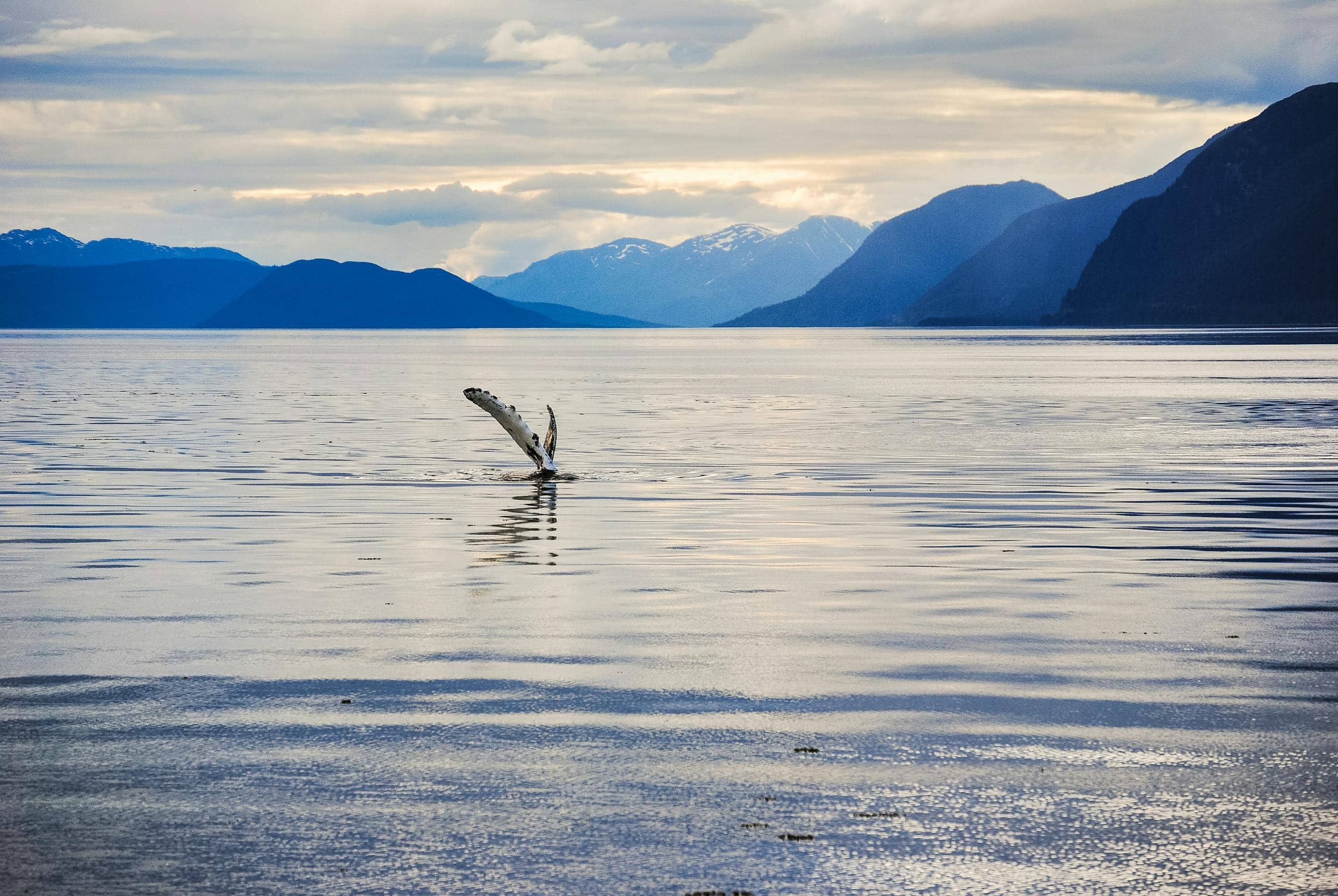
If you’re kayaking or on a wildlife cruise, you might spot whales, sea otters, or even sea lions. In general, these animals aren’t dangerous, but remember that marine mammals are protected by law, and you must keep your distance (at least 100 yards from whales, for example).
Quick Safety Tips
- Always hike with a buddy and make noise by talking, playing music, and putting bells on your backpack. This will keep the majority of animals away from you.
- Keep food and scented items (even toothpaste and chapstick!) stored safely.
- Don’t leave children or pets unattended outdoors, especially in rural or wooded areas. Unfortunately, an average of 43 dogs are killed every year in Alaska from wildlife encounters, so keep an eye on the little ones.
- Treat binoculars and cameras as your best friends… view wildlife from a distance!
Wildlife encounters are a huge part of what makes Alaska so incredible. With just a few precautions, you can enjoy those moments safely and respectfully. Whether it’s a massive brown bear lumbering across a river or a moose strolling down the street in Talkeetna, being prepared will help you stay calm and safe.
Weather Safety Guide for Alaska
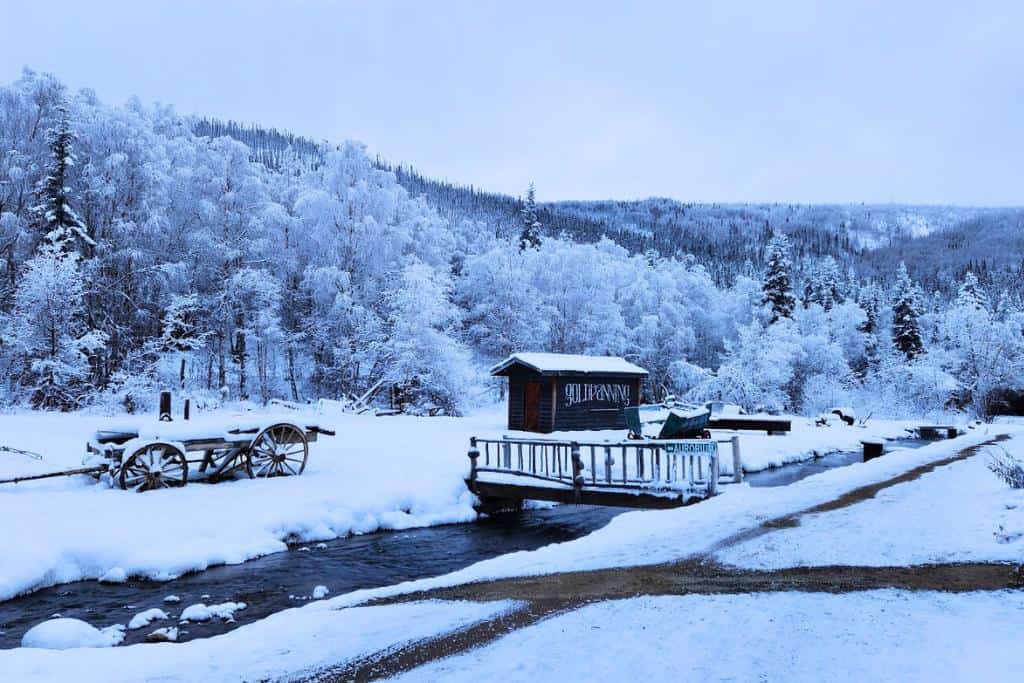
If there’s one thing you can count on in Alaska, it’s that you can’t count on the weather. Even in summer, you can go from sunny skies to cold rain in under an hour. In winter, temperatures can swing drastically between coastal towns and interior regions like Fairbanks. But with a little preparation, the weather doesn’t have to ruin your trip. It can actually be part of the adventure!
Sean and I have experienced it all: snow in September, 20-degree “heat waves” in February, and stunning bluebird days when we least expected them. Here’s what you need to know to stay safe and comfortable in Alaska’s wild and ever-changing conditions:
Understand the Regional Differences
Alaska is massive, and the weather varies a lot depending on where you are.
- Southcentral Alaska (Anchorage, Seward, Homer): Milder and wetter. Expect clouds, rain, and temps in the 50s–70s Fahrenheit in summer and temps in the 20s-30s in winter, with occasional cold snaps dipping into the single digits, especially inland or at higher elevations.
- Interior Alaska (Fairbanks, Denali): Hot summers and brutally cold winters. Temps can hit the 90s in July and drop to -50°F in January.
- Southeast Alaska (Juneau, Sitka): Very wet, with frequent rain year-round. Bring the rain gear!
- Northern Alaska (Prudhoe Bay, Arctic areas): Cold, windy, and extremely remote. Summer is brief, and winter can be harsh even well into spring.
Knowing the region you’re visiting will help you pack better and avoid surprises.
Layering Is Everything and Be Ready for Rain
Alaska doesn’t always follow the forecast, so the best way to stay safe and comfortable is to dress in layers and be prepared to get wet:
- Base layer: Wicks sweat away (avoid cotton)
- Insulating layer: Fleece or down for warmth
- Outer layer: Waterproof and windproof shell
- A solid waterproof jacket (not just “water-resistant”)
- Rain pants if you’re doing outdoor activities
- A dry bag or pack cover to protect your gear
Always carry extra layers in your pack, even on short hikes. It’s not uncommon to start warm and sunny and finish in a cold drizzle. Unfortunately, rain is part of the deal in most parts of the state, especially near the coast.
In places like Seward, Whittier, and Juneau, it can rain multiple times a week, even in the summer! We’ve seen travelers come totally unprepared for just how persistent the rain can be, and ended up spending hundreds of dollars on rain gear at the overpriced local market.
It’s part of the landscape, so embracing it (and dressing for it) makes the experience a lot more enjoyable.
Know the Risks in Winter
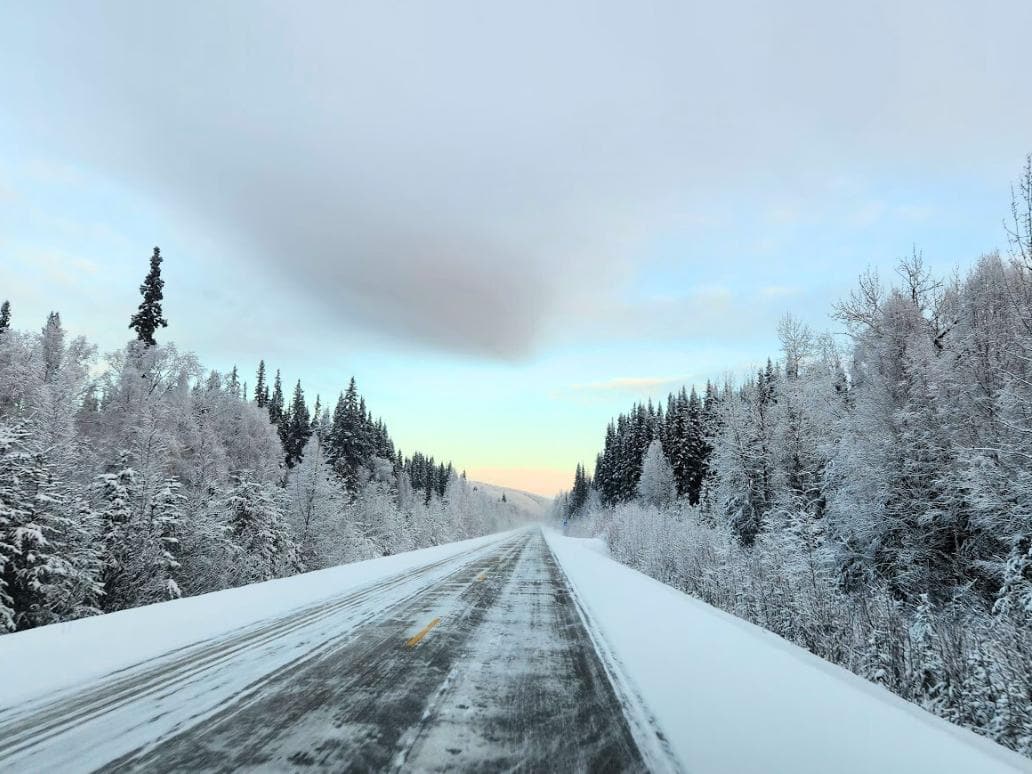
If you’re visiting Alaska between October and April, winter weather can create its own set of challenges. Here are a few big ticket items that we always warn people about when they visit in winter to see the northern lights or take part in adventure activities:
- Icy roads: Especially in the interior, black ice is common and often hidden beneath a layer of hard-packed snow. Roads can look safe but be deceptively slick. Drive slowly, take turns gently, and know how to react if your vehicle starts to slide – ease off the gas, steer into the skid, and avoid sudden braking.
- Limited daylight: In December, some areas get as little as 0–5 hours of daylight. Plan hikes or drives accordingly, and always have emergency gear with you!
- Extreme cold: In places like Fairbanks or Tok, -30°F is normal. Dress in insulated boots, down layers, and cover all exposed skin (yes, that means you need to wear a full-face ski mask).
- Avalanche risk: If you’re skiing or hiking in the backcountry, always check Alaska Avalanche Center conditions and carry the right gear.
Always Check the Forecast, But Don’t Rely On It
Alaska’s forecasts can be wildly inaccurate, especially in mountain areas or along the coast. Use them as a general guideline, but always plan for worse. Apps like Windy, Weather Underground, and the National Weather Service Alaska office are more reliable than your phone’s default app.
We also recommend asking local guides, park rangers, or even gas station attendants often have a better sense of what’s actually happening weather-wise. Nearly every day, we watch the forecast for the same day change 10+ times.
Just keep an eye on current trends, assume the weather will get worse than what they say, and you’ll end up properly prepared.

Safety Tips for Visiting Alaska
1. Always give wildlife space.
We’ve had moose walk right through our driveway and bears pop up on hiking trails out of nowhere. It’s incredible, but it can turn dangerous fast. Keep your distance, don’t try to get “just one photo,” and never approach a wild animal, especially if there are babies around.
2. Carry bear spray on every hike.
Seriously – even on easy trails near town. We’ve carried it hiking around Anchorage, Ridgeway, and even on short walks in Tok. Keep it somewhere you can reach quickly and know how to use it before you need to.
3. Don’t trust the forecast.
Alaska weather is unpredictable. We’ve seen sunshine, rain, and snow in the same day, especially in spring and fall. Dress in layers, always bring a waterproof shell, and prepare for things to shift quickly.
4. Assume you’ll lose cell service.
Outside of cities, it’s normal to have little to no signal. We always download offline maps, carry paper backups, and let someone know where we’re going when we’re exploring remote areas.
5. Take your time driving.
We’ve driven every type of Alaskan road from smooth highways to snow-covered backroads and even the infamous Dalton Highway and one thing’s consistent: you have to slow down.
Roads are often icy, potholed, or gravel-packed. Expect black ice in the interior, especially between October and April.
6. Don’t underestimate the remoteness.
Some places look close on a map but can be hours from help if something goes wrong. Even a flat tire or missed trail marker can become a big deal in rural areas.
We always travel with extra food, water, warm layers, emergency lights, a full-size spare tire, and an extensive first aid kit fitted with a triangular arm bandage and a splint, just in case.
7. Pack like you might get stuck.
Whether we’re heading out for a hike or a day trip, we always bring the basics: snacks, water, headlamp, a warm layer, rain jacket, and bear spray. It doesn’t take much space and makes a huge difference if plans change unexpectedly.
8. Ask locals- they usually know best.
Some of our best travel advice has come from coffee shop baristas or gas station attendants. People who live in Alaska full-time know the conditions, the roads, and the risks better than any guidebook!
9. Trust your gut.
We’ve turned around on trails, skipped boat rides, and taken alternate routes because something didn’t feel right. Out here, it’s better to play it safe than push through a bad situation. If you’re unsure, don’t do it.
10. Respect the place and the people who call it home.
Alaska can feel wild and untouched, but it’s also lived-in, loved, and protected by the people who live here year-round. Leave no trace, support local businesses, and treat every trail, river, and road with care.
Cutting switchbacks, getting too close to wildlife, or ignoring trail closures doesn’t just put you at risk, it can also damage the land and disrespect local people.
Alaska Safety FAQ
Is Alaska safe to live in?
Yes, Alaska can be a safe place to live, but like anywhere, it depends on where you are and how prepared you are. We’ve lived in cities like Anchorage and smaller towns that become a ghost town in the winters like Homer, and each place has its own challenges.
Some rural communities struggle with crime, lack of infrastructure, and limited access to emergency services. That said, many Alaskans enjoy tight-knit communities, low traffic, and an active, nature-centered lifestyle.
We have found Alaska to be very safe everywhere we live, but we often stay in private lodging and cabins. So, we can’t speak to apartment-style or shared-housing living situations.
Is Alaska safe to visit?
Alaska is absolutely safe to visit! The vast majority of visitors have safe, incredible experiences. While Alaska does have higher-than-average crime rates on paper, most of the risk is localized and doesn’t impact tourists.
What’s more likely to affect you are environmental factors like weather, wildlife, and road conditions. If you follow basic safety precautions, stay aware of your surroundings, and prepare for the elements, you’re very likely to have a safe and enjoyable visit.
If you’ll be traveling to Alaska for the first time, keep this post accessible on your phone by downloading it offline!
What is the safest place in Alaska?
Smaller, tourism-focused towns like Sitka, Homer, Talkeetna, and Gustavus consistently rank among the safest towns in Alaska.
These places have low crime rates, strong community ties, and lots of local pride. If you’re looking for a peaceful base for your trip, these are great options.
Some neighborhoods in larger cities like Anchorage and Fairbanks are also safe, you just have to do a little research.
Why is Alaska crime so high?
Alaska’s crime rates are often inflated by its small population and complex social issues in rural and underserved areas.
High rates of domestic violence, substance abuse, and limited access to mental health services all contribute to the numbers. Because many communities are isolated, law enforcement response times can be slower, and support services may be limited.
It’s also worth noting that most violent crime in Alaska happens between people who know each other, it’s rarely random or targeted at tourists.
What is the number one crime in Alaska?
The most commonly reported crime in Alaska is larceny-theft, which includes shoplifting, stolen items from vehicles, and gear being taken from campsites or public areas.
These are crimes of opportunity and are more common in urban centers like Anchorage and Juneau where tourists are likely to leave a purse on the front seat of their rental car.
Just ensure you’re locking your car and not leaving any valuables in sight and you are less likely to have any issues with this.
Is Anchorage safe to walk around?
Anchorage is generally safe to walk around, especially during the day and in popular areas like downtown, Midtown, and the Tony Knowles Coastal Trail.
Like any city, it has neighborhoods where you’ll want to be more cautious, particularly at night. We’ve walked and biked all over Anchorage without issue, but we avoid isolated parks or side streets after dark and always stay aware of our surroundings.
Is Alaska safe for solo female travel?
Alaska can be a safe and empowering destination for solo female travelers, as long as you take the same common-sense precautions you would anywhere else.
Many women travel here solo every year to hike, road trip, see the northern lights, or just disconnect in nature. We’ve met countless women traveling alone while camping, driving the highway system, and even backpacking through Denali, and most have had incredibly positive experiences.
That said, Alaska’s remoteness does add a few extra considerations. You’ll want to be extra mindful about letting someone know your route if you’re heading into backcountry areas or lesser-traveled roads. In towns and cities, it’s smart to stay aware of your surroundings, especially at night, just like you would in any urban setting.
Is Alaska safe from Russia?
Despite the geographic proximity, there’s no current credible threat from Russia to Alaska. The two are separated by the Bering Strait, and while they’re technically close, the waters between them are heavily monitored and not easily crossed.
This concern pops up occasionally in the news, but from a practical and security standpoint, there’s no reason for tourists or residents to avoid traveling to Alaska at this time.
Of course, we are not experts on the ongoing situation, so it’s best to check local news sources and recommendations from the U.S. Department of State.
Alaska is one of the most rewarding places you can explore, as long as you come prepared. The safety concerns here are real, but they’re also manageable, and most of them have more to do with nature and logistics than anything else.
Yes, Alaska has higher crime rates on paper, but most of that doesn’t affect visitors. The real safety essentials come down to the things we’ve experienced ourselves: unpredictable weather, wildlife encounters, long, isolated drives, and the kind of remoteness that makes cell service disappear and turns small mistakes into big problems.
But with a little planning, situational awareness, and the right mindset, those same challenges become part of the adventure.
Our biggest piece of advice? Respect Alaska, but don’t be afraid of it. Be bear-aware, check the forecast, drive smart, and talk to locals. This place has a way of pulling you in, humbling you, and giving you memories that last a lifetime.
And if you ever find yourself second-guessing your gear, your route, or the weather rolling in, trust your gut. It’s what we’ve done for years, and it’s helped us stay safe in Alaska time and time again!


