Banff vs Jasper: Full Comparison of Canada’s Top Parks

Banff and Jasper National Parks are two of the most visited destinations in the Canadian Rockies, and while they’re often grouped together, they offer very different experiences. If you’re planning a trip to Alberta and wondering which park better fits your travel style, you’re not alone. Banff vs Jasper is one of the most common questions travelers face when building a Canada itinerary.
Sean and I have hiked extensively throughout both parks with our dog, covering everything from popular viewpoints to quieter backcountry trails, and we’ve encountered just about every condition and kind of wildlife you can imagine.
In this guide, we’ll give you a side-by-side breakdown of Banff and Jasper based on firsthand experience: including scenery, trail access, wildlife, crowds, road trips, and overall vibe.
Whether you’re trying to choose just one park or planning to visit both, this comparison will help you understand the key differences so you can make the most of your time in the Rockies!
✅ Both parks offer incredible wildlife viewing, but Jasper often feels wilder, especially along less-trafficked routes.
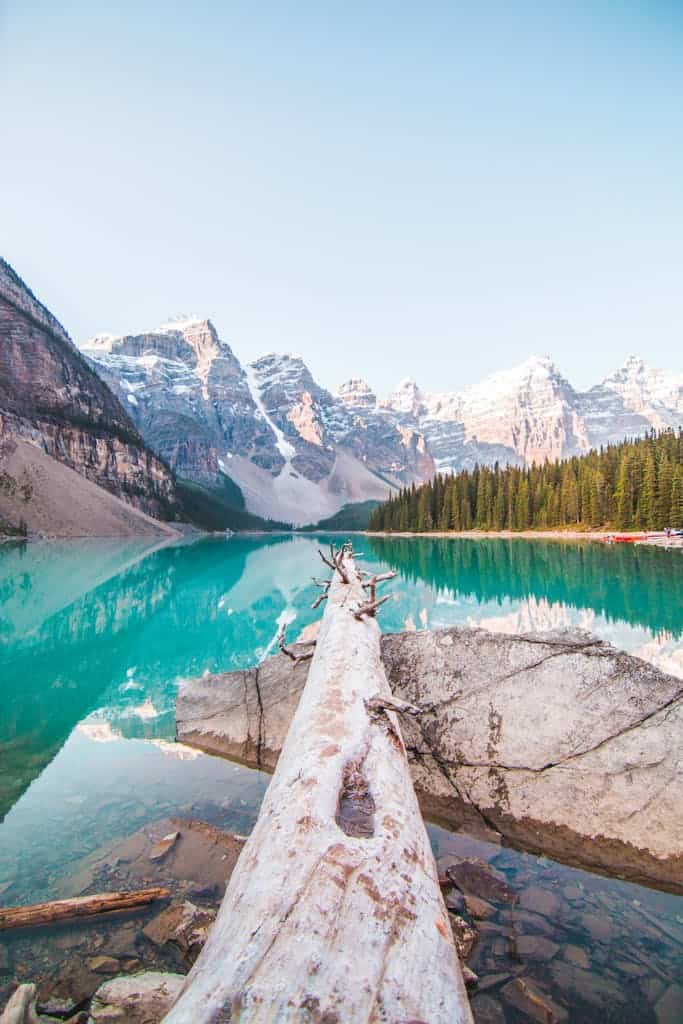
✅ Banff offers more famous photo spots (like Lake Louise and Moraine Lake), while Jasper has fewer crowds and more solitude on the trails.
📌 Key Differences:
Banff vs Jasper at a Glance
✅ Banff is Canada’s oldest national park (established in 1885); Jasper is the largest.
✅ Banff sees significantly more annual visitors (over 4 million) than Jasper (just over 2 million).
✅ Banff is more developed and easier to access from Calgary (90 minutes), while Jasper is more remote, accessed via the Icefields Parkway or from Edmonton (4 hours).
✅ Banff has more luxury lodging and amenities, while Jasper is better for those seeking a quieter, more rustic feel.
✅ Banff is ideal for first-timers or short visits; Jasper is perfect for slower-paced, backcountry-style trips.
Quick Facts: Banff vs Jasper
| Feature | Banff National Park | Jasper National Park |
|---|---|---|
| Location | 1.5 hours from Calgary | 4 hours from Edmonton or 3.5 hours via Icefields Pkwy |
| Size | ~6,600 km² | ~11,000 km² (Canada’s largest national park) |
| Vibe | Bustling, polished, iconic | Laid-back, rustic, less commercial |
| Best for | First-time visitors, iconic views, shorter stays | Road trippers, wildlife lovers, solitude seekers |
| Crowds | Heavy, especially in summer | Lighter, especially on trails |
| Town | Banff (resort-style, upscale) | Jasper (smaller, more local) |
| Famous Spots | Lake Louise, Moraine Lake, Banff Upper Hot Springs | Maligne Lake, Pyramid Lake, Athabasca Falls |
| Wildlife | Elk, bears, mountain goats | Same + more frequent sightings of moose and wolves |
| Camping | More developed sites, more competition | Fewer sites, more natural and spaced out |
Jasper vs Banff: Full Comparison
When it comes to choosing between Banff and Jasper, you need to consider the full experience. From hiking trails and wildlife encounters to overall vibe, accessibility, crowds, and cost, there are some key differences that can shape your trip.
Below, we’ve broken down everything you need to know based on our own travels through both parks, so you can decide which destination aligns best with your travel style, timeline, and priorities!
Wildlife
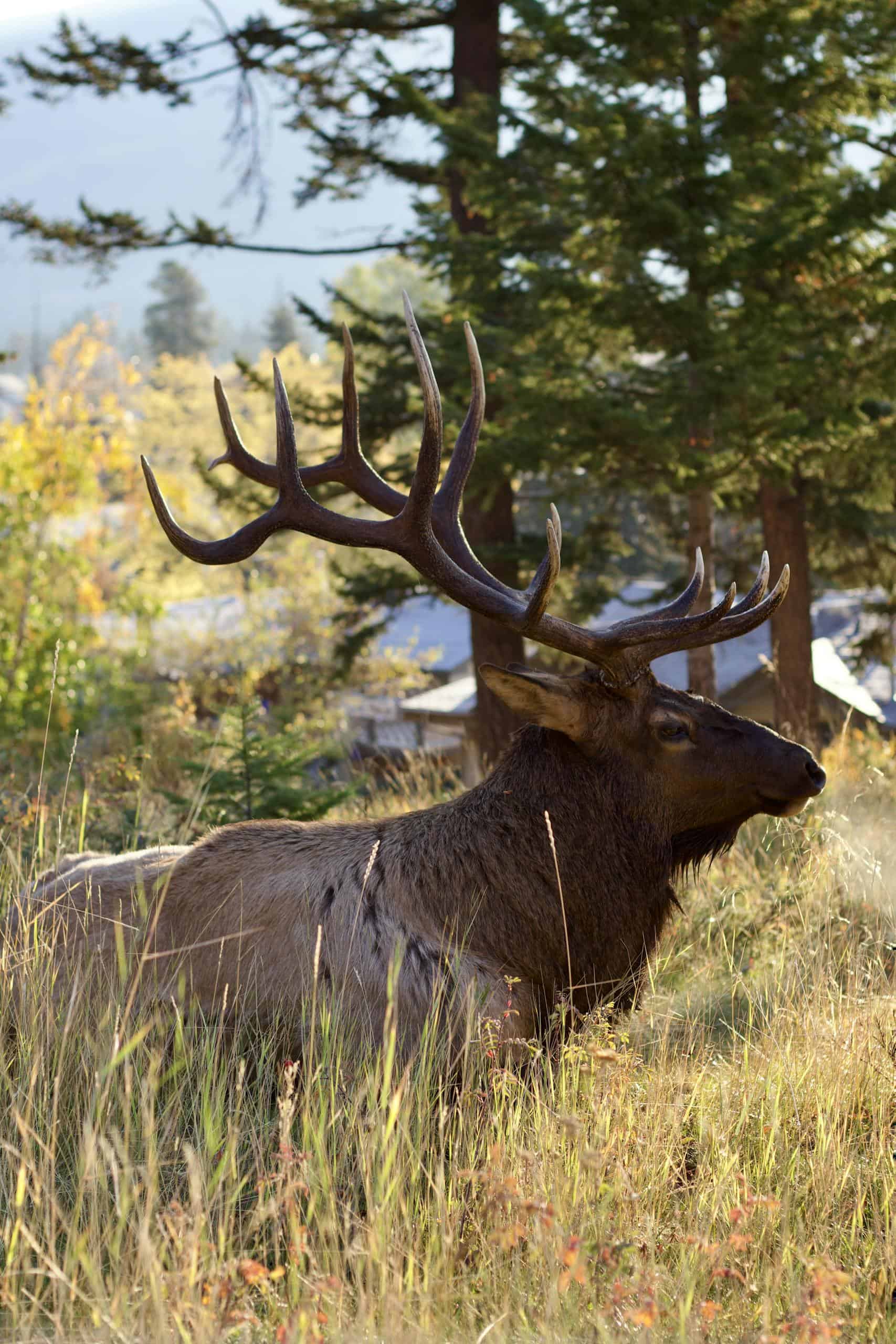
In our experience, both parks offer excellent wildlife viewing, but Jasper takes the edge when it comes to frequency and diversity, especially in less-trafficked areas.
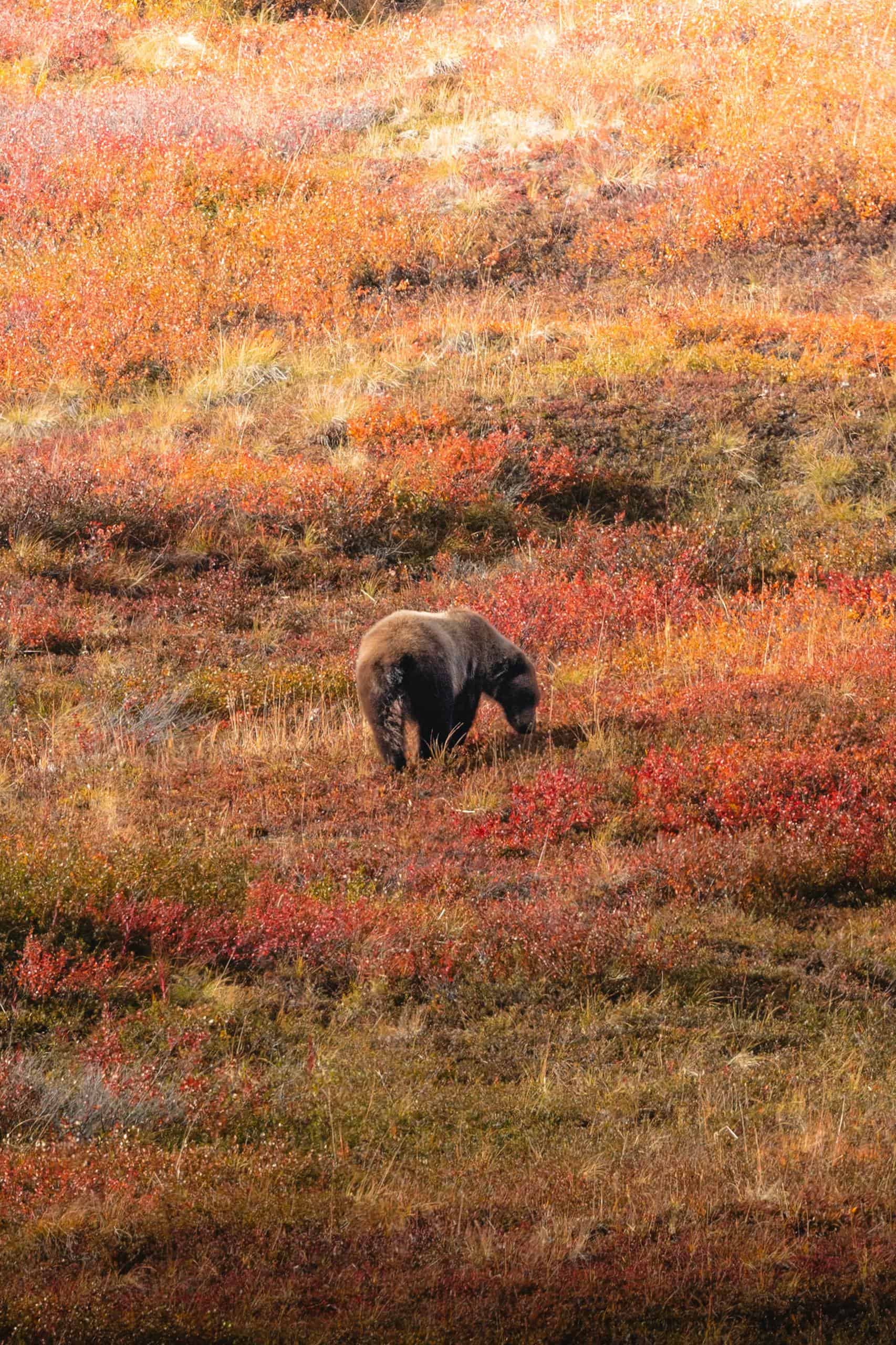
We’ve seen elk, bears, mountain goats, and big horn sheep in both parks, but moose and wolves were far more common in Jasper, particularly around Maligne Lake and early morning on remote trails. We even came across several bear families on the Valley of the Five Lakes Trail in Jasper, so we always lean towards Jasper when we want to get some good wildlife shots.
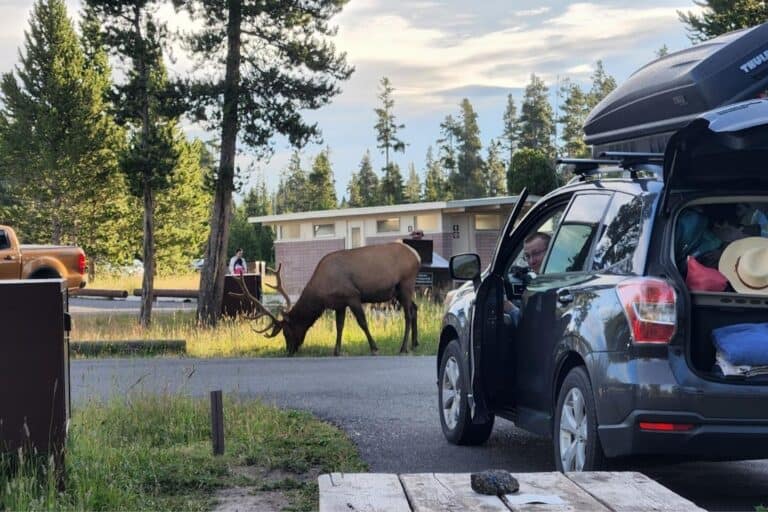
Banff National Park typically has more sightings near roads and towns, but those are often crowded photo ops with unrelenting and disrespectful tourists. Wildlife should be viewed from a far distance, which we’ve seen is rarely given in Banff.
Crowds
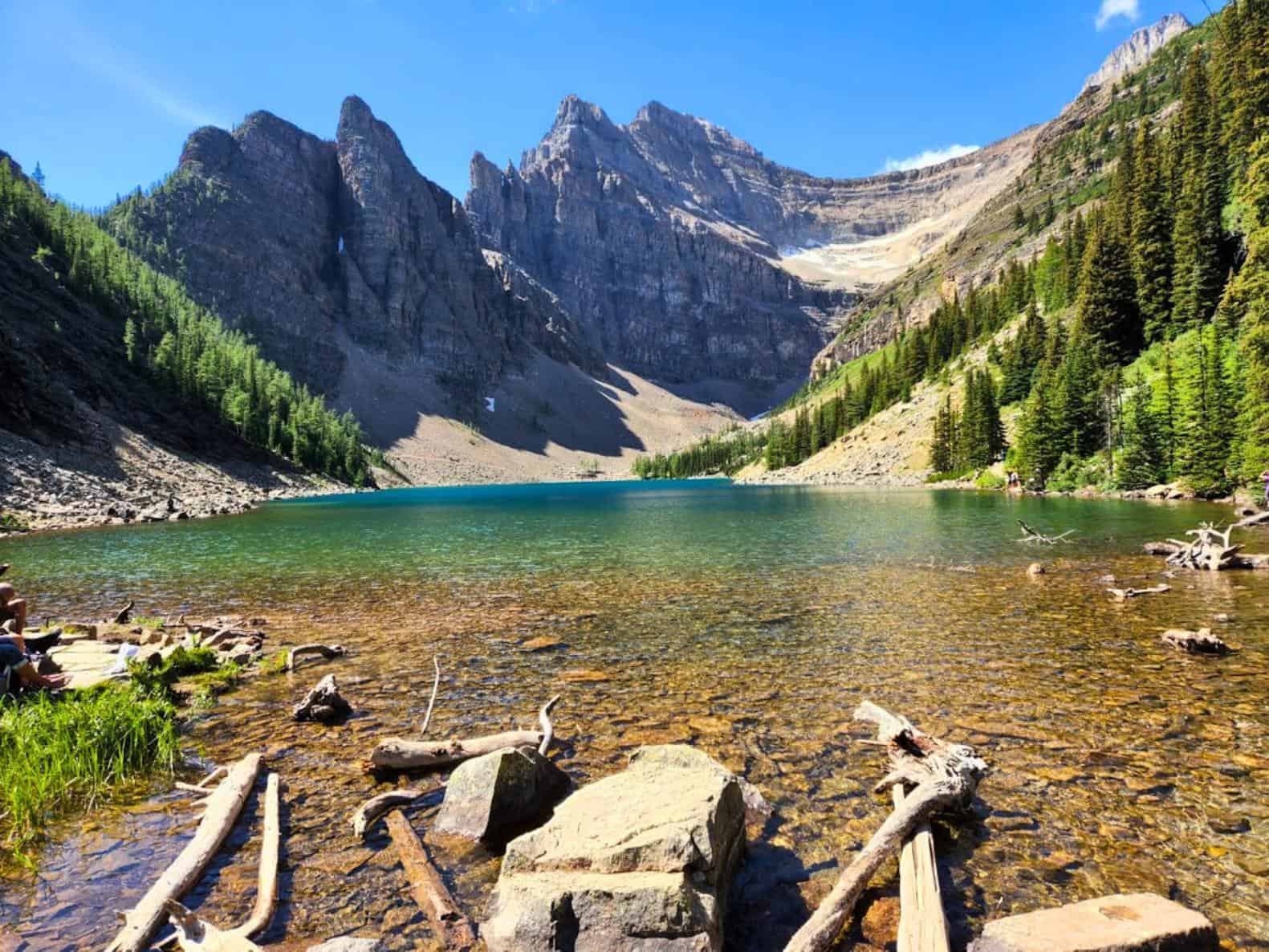

This is one of the biggest differences between the two parks that most people don’t realize until they choose just one and which they chose the other. Banff is significantly more crowded, especially around iconic spots like Lake Louise, Moraine Lake, and the Banff townsite.
We’ve had to arrive before 6 a.m. in summer just to get parking. We actually have seen people tailgate and not sleep for 24 hours to save their parking spot at Lake Moraine for the sunrise (if you sleep in your car, you get booted).
In contrast, Jasper feels far more relaxed, especially on trails. We’ve shown up as late as 9:30 to some iconic hiking trails and found a parking spot on the first try. Even some of Jasper’s most popular spots (like the Valley of the Five Lakes or Edith Cavell Meadows) have far fewer people and more space to explore.
If you’re looking for fewer crowds on your vacation, then Jasper is without a doubt the better choice!
Road Trips & Accessibility
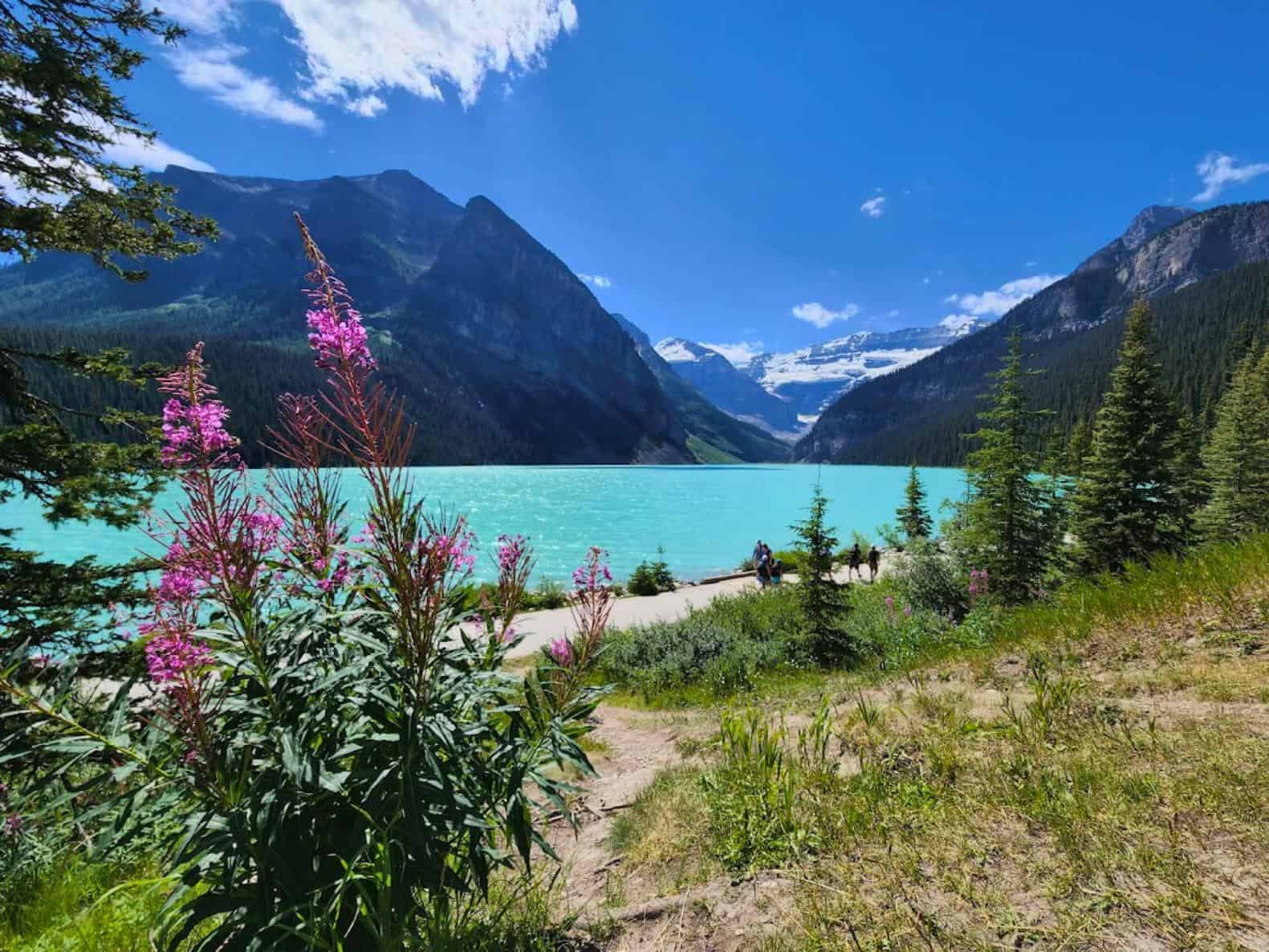
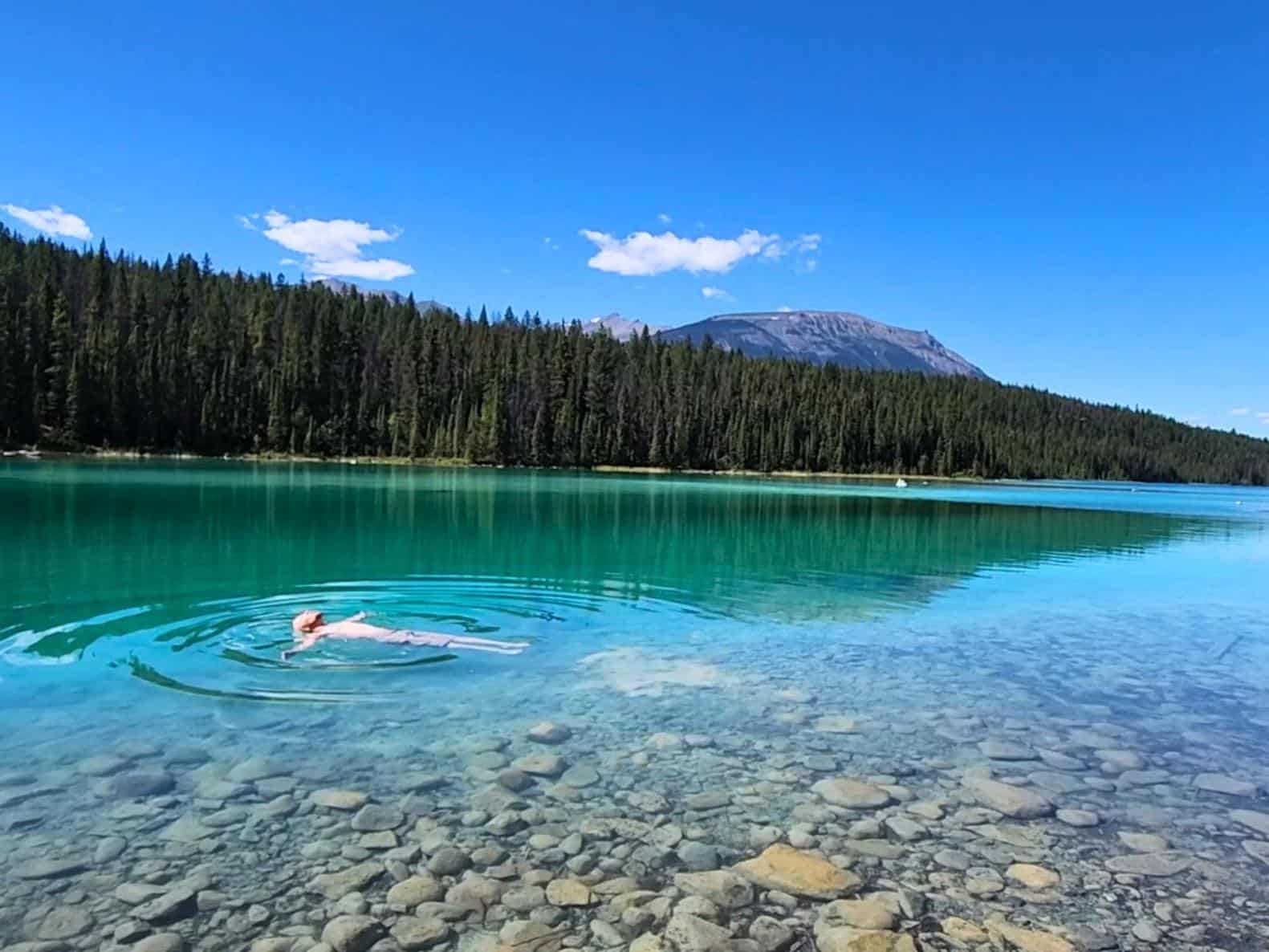
Banff is much easier to access if you’re flying into Calgary, and its infrastructure reflects that with more parking, shuttles, luxury hotels, and signage. It’s a convenient base for exploring the Icefields Parkway.
Jasper, however, feels more like a destination you earn, whether you drive from Edmonton or make the scenic trek up from Banff. The Icefields Parkway between the two is a must-do, and the journey itself is part of what makes Jasper feel so rewarding.
It takes about 2.5-3 hours to drive between Banff and Jasper so you can certainly fit them both in on one trip, but you’ll want to plan to spend at least 2-3 nights in each park. One of the most important things to know if you’re planning to drive between the two parks is that services are limited along the Icefields Parkway, especially between Lake Louise and Jasper.
There’s no cell service, very few gas stations (only one at Saskatchewan River Crossing), and no towns along the route, so you’ll want to fuel up, download offline maps, and pack food before hitting the road. That said, it’s incredibly well-maintained and easy to drive in summer, with scenic pullouts and rest areas every few miles.
If you’re visiting in winter or early spring, road accessibility becomes more of a factor. The Icefields Parkway is open year-round, but snowstorms can cause temporary closures or make driving conditions tricky. Winter tires are required, and it’s smart to check road conditions with Parks Canada or 511 Alberta before heading out.
Banff, being closer to Calgary and more developed, is generally easier to access during shoulder and winter seasons, while Jasper’s more remote setting means road conditions and drive times can vary more depending on weather.
Another thing to keep in mind is if you’re renting a car, one-way drop-offs between Banff and Jasper are limited and expensive, so most travelers opt to do the full loop of either Calgary to Banff to Jasper and back, or Calgary to Jasper via Edmonton.
Public transportation between the two parks is limited to sightseeing shuttles and seasonal buses, so self-driving is by far the best way to explore both parks at your own pace.
Overall Vibe

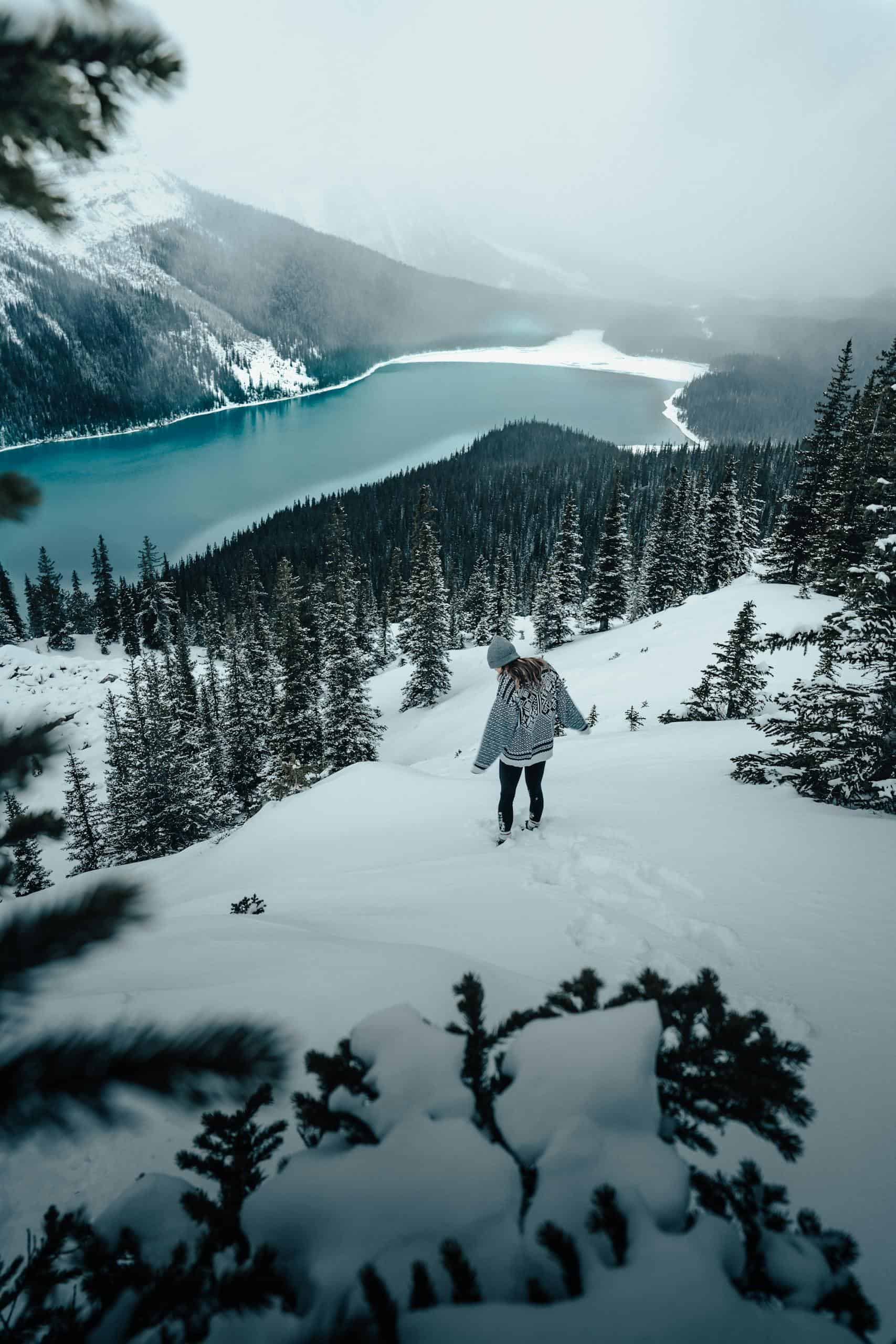
Banff feels polished and high-energy, especially around town. It definitely gives more of a resort-meets-national-park atmosphere. You’ll find upscale restaurants, guided tours, and a lot of structure.
The town of Banff itself has a bustling energy with boutique shops stocking unique souvenirs, cocktail bars, art galleries, and lots of amenities. It’s lively, organized, and very visitor-friendly, but it can also feel commercialized, especially in peak season.
Jasper National Park, on the other hand, feels quieter and more local. It’s not unusual to walk into a coffee shop and chat with someone who’s lived there for decades. Jasper’s pace is slower, and the park encourages a more self-sufficient, DIY travel style which is perfect for travelers who want to disconnect, get off the beaten path, or spend time immersed in nature without as much structure.
If you’re looking for a more low-key, off-grid feel, Jasper is the place.
Hiking Trails
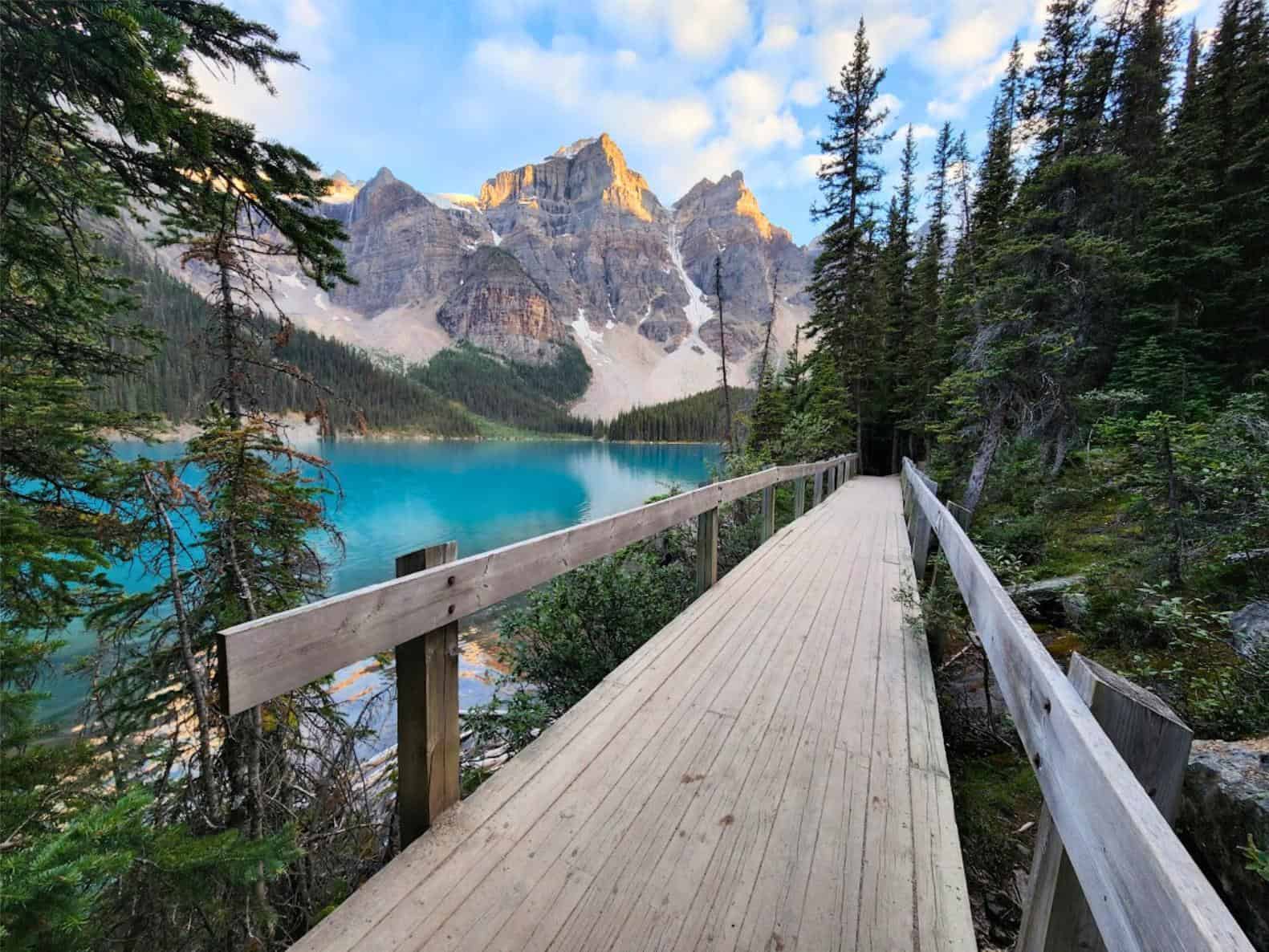
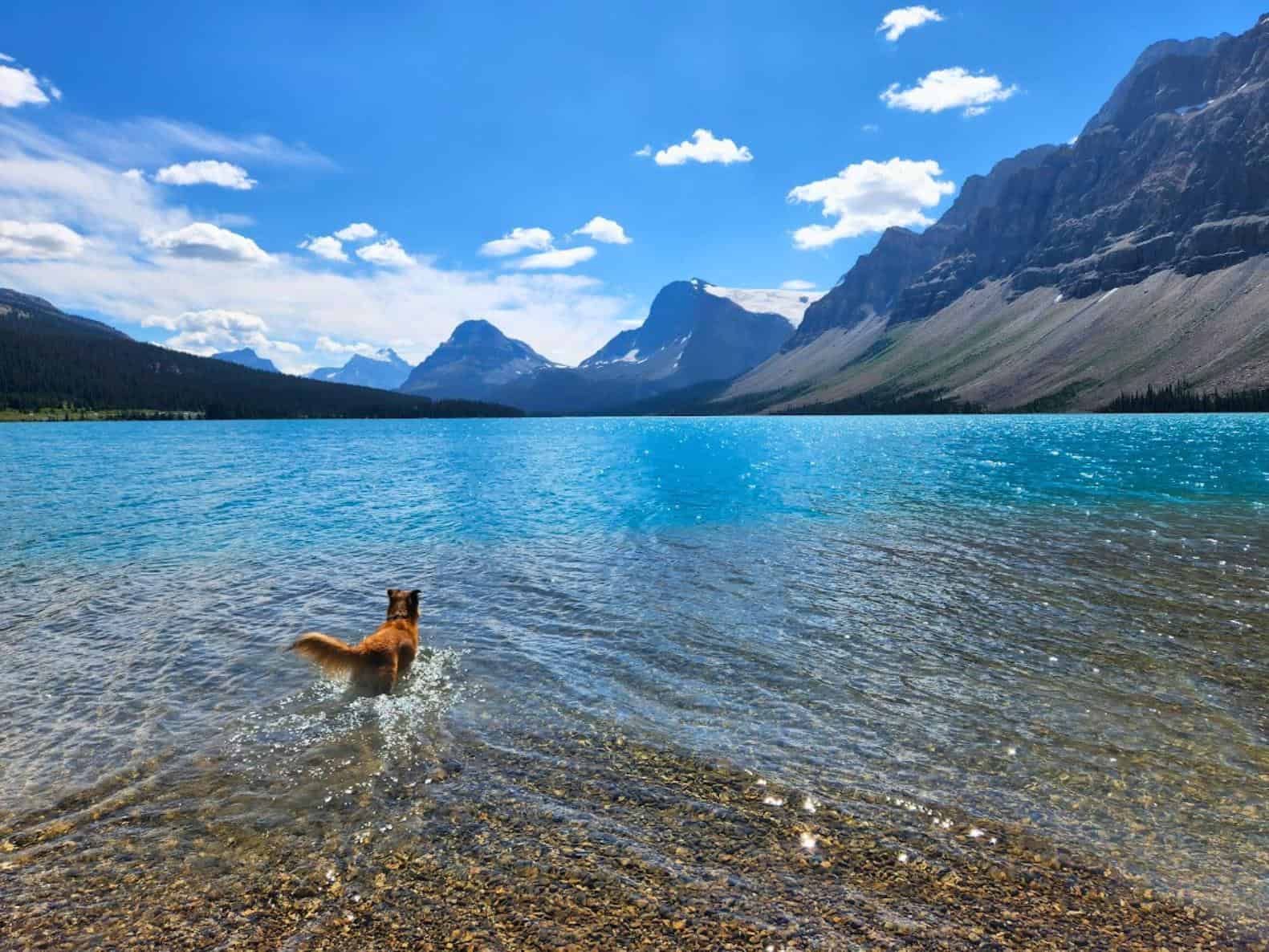
Both parks have incredible trails, but again, the vibe is different. Banff’s most famous hikes like Lake Agnes Tea House or Plain of Six Glaciers are stunning, but often overcrowded to the point that getting good pictures is nearly impossible.
But, if this doesn’t really bother you and you’re looking for iconic day hikes with support nearby (like cafes, restrooms, and shuttles), Banff caters to that experience.
Jasper’s trails are more spread out and less trafficked, and we’ve found more opportunities for solitude. If you’re hiking with a dog like we do, Jasper is more dog-friendly overall, with fewer restrictions and more wilderness-style trails.
The trails are also often longer, less manicured, and more varied in terms of terrain. You’ll pass through wide alpine valleys, dense forests, and unmarked wildlife corridors where you might not see another person for hours.
There are more loop routes and multi-use trails, and it’s easier to find full-day hikes that don’t require navigating crowds. For backpackers and solitude-seekers, Jasper’s backcountry trails offer a more immersive wilderness experience.
There’s also a noticeable difference in seasonal access. Banff’s high-traffic trails are often open earlier in the season due to snow management, while Jasper’s higher-elevation routes tend to stay snow-covered longer into late spring or even early summer.
That said, Jasper sees fewer closures for trail overuse or crowd control, so it’s easier to hike spontaneously without booking shuttles or dealing with permits or minimum group size requirements for specific trailheads like you might need at Lake Louise or Moraine Lake.
Cost & Affordability
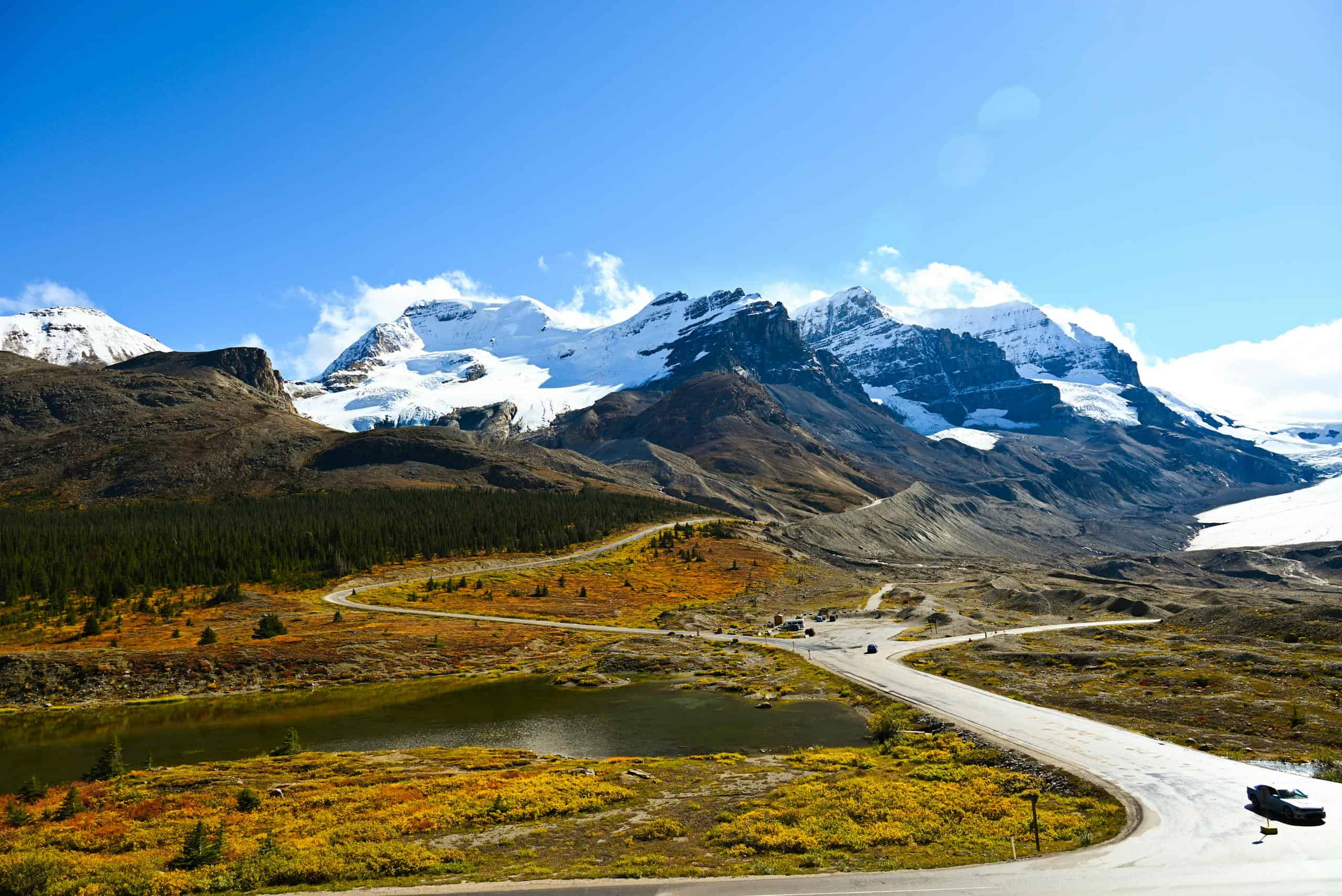
While both Banff and Jasper fall under Parks Canada’s fee structure (so the daily park pass cost is the same), the overall cost of your trip can vary significantly depending on where you go and how you travel.
Banff is noticeably more expensive overall, especially when it comes to accommodations, food, and guided experiences. Banff has more high-end hotels, resorts, and upscale dining, and even basic lodging tends to come at a premium due to high demand and limited availability, especially in the Lake Louise area.
In contrast, Jasper offers more budget-friendly lodging options, like motels, rustic cabins, and smaller independent inns. You’ll also find more availability during peak season, which helps keep prices competitive. Dining is generally more affordable too with plenty of options for casual diners, locally run cafés, and small pubs instead of wine bars and $30 burgers.
Even activities can be more affordable in Jasper. Guided hikes, boat rentals, wildlife tours, and even bike rentals are often cheaper simply because the demand isn’t as high. If you’re road-tripping or camping, Jasper stretches your dollars further and makes it easier to experience the park without relying on reservations, permits, or packaged tours.
Campground Options
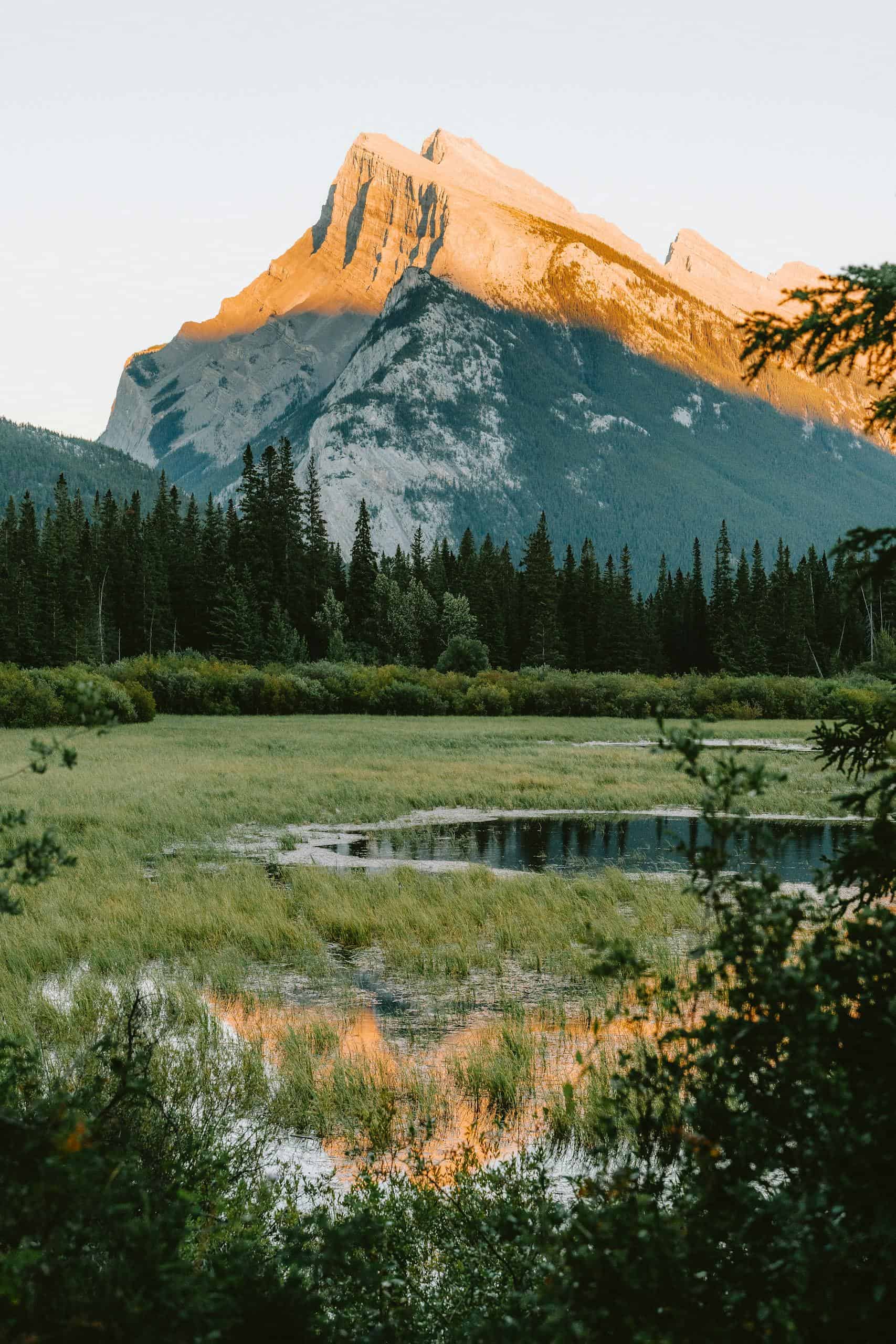
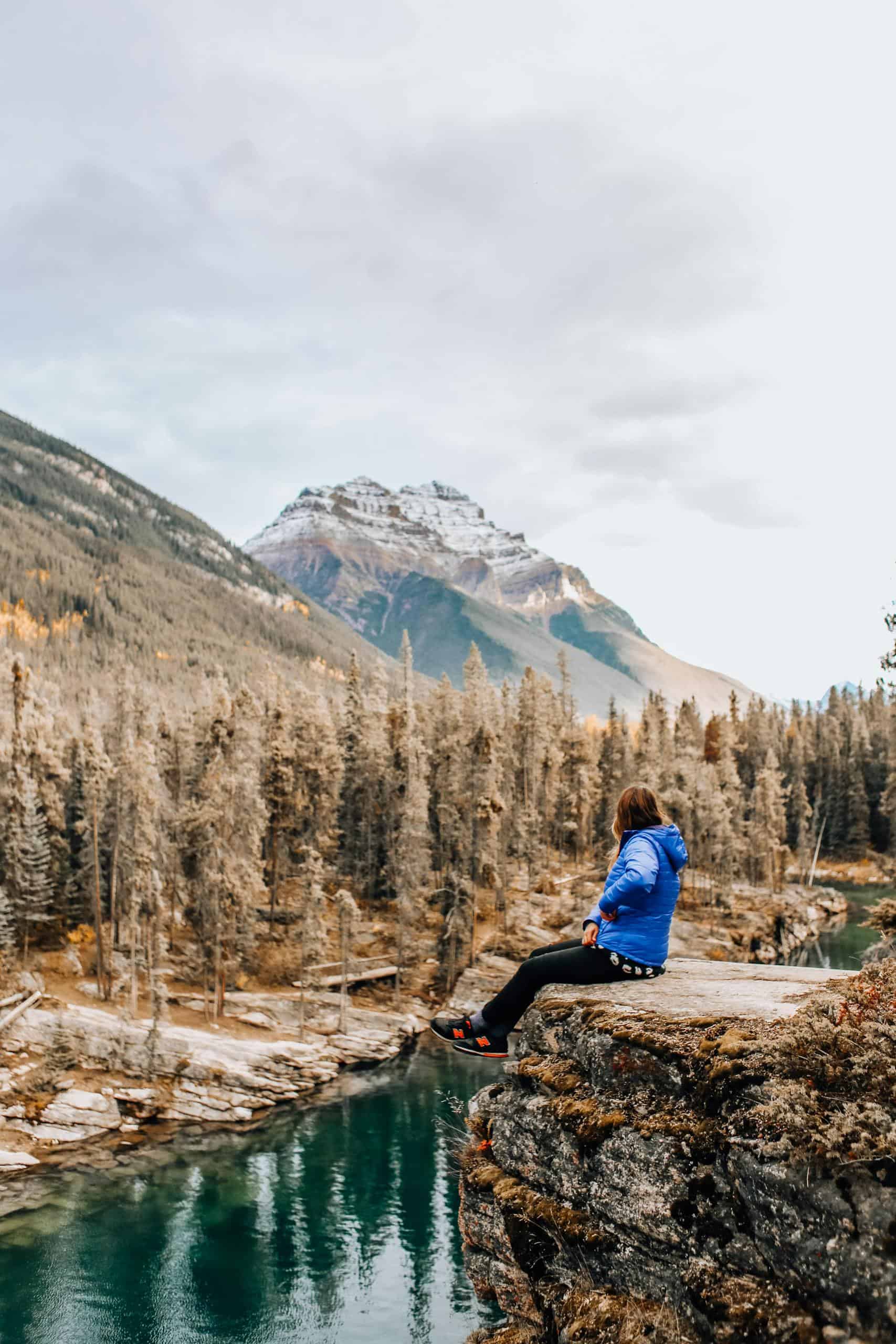
Camping in both parks is a fantastic way to immerse yourself in the Rockies, but there are some important differences in the campground experience between Banff and Jasper. Banff has more campgrounds overall, including several large, highly developed options like Tunnel Mountain and Two Jack Lake.
These sites are closer to town, often include full RV hookups, and book out months in advance during summer. If you’re looking for amenities like showers, flush toilets, and nearby grocery stores, then Banff delivers, but expect a more crowded, structured feel and tighter campsites.
➡️ Personally, we really disliked camping in Banff with a dog since the sites were so close and people weren’t exactly following the leash rule.
Jasper’s campgrounds, by comparison, feel wilder and more spacious. While there are fewer total sites, many are spread out in quiet, wooded areas and feel more connected to nature.
Campgrounds like Wapiti and Wabasso offer a more relaxed experience with bigger buffer zones between sites, less noise, and more frequent wildlife sightings. We’ve had elk walk right through our site in Jasper on multiple occasions, especially at Whistler Campground, which is something we’ve never seen in the more trafficked Banff campgrounds like Lake Louise Campground.
Scenery
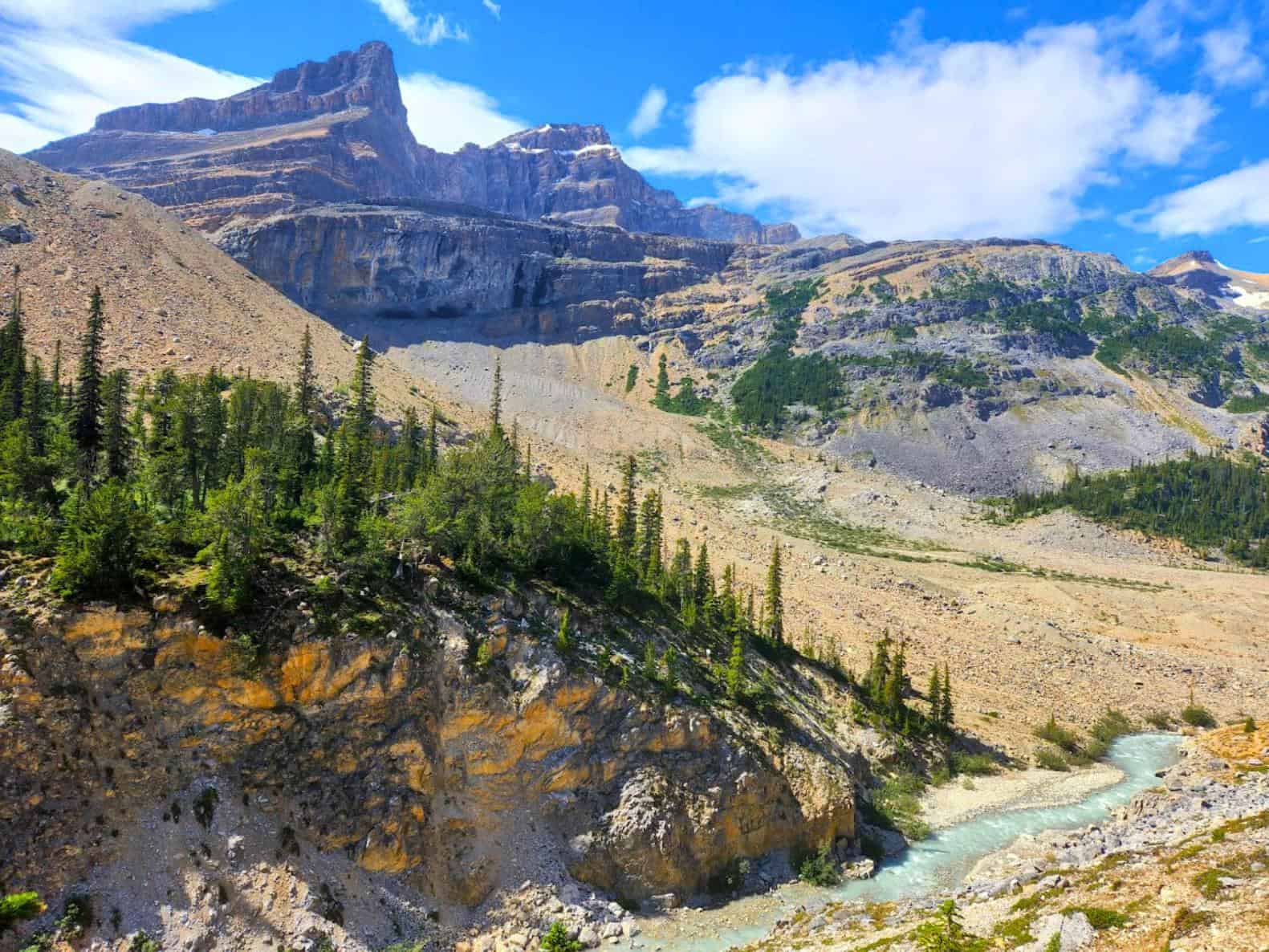
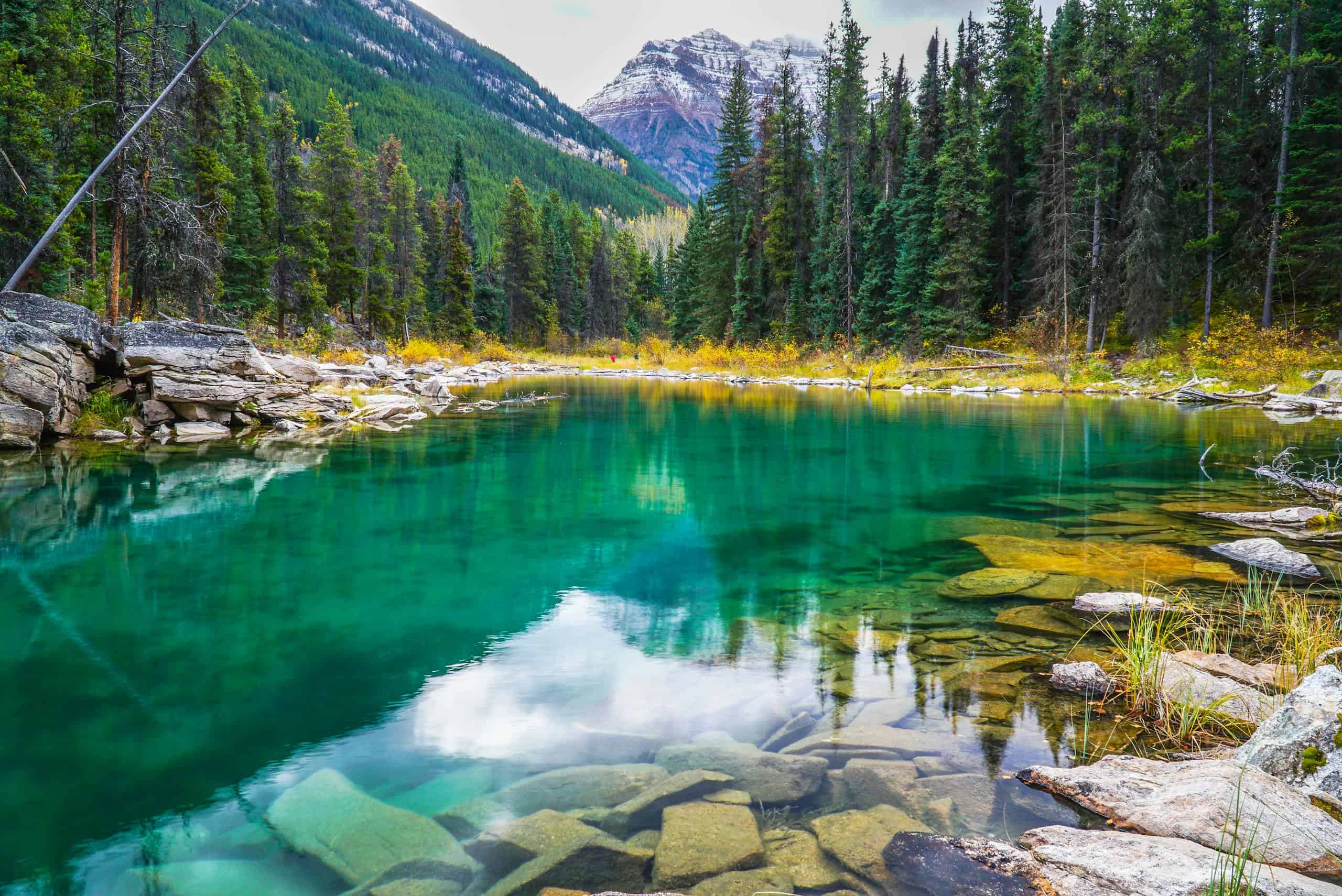
The scenery in Banff and Jasper is equally jaw-dropping, but the visual experience in each park is surprisingly different once you’re on the ground.
Banff’s landscapes are sharper, more vertical, and immediately dramatic. Towering peaks rise steeply above turquoise lakes like Moraine and Peyto, and many of the most iconic views are just steps from the parking lot. The scenery here almost feels curated, as if it was designed for postcards and panoramic photography.
There’s a reason you see so many drone shots and travel posters from Banff: the composition of the mountains, glaciers, and alpine lakes is practically made for the camera. If you’re into high-impact visuals and easily accessible scenic stops, Banff delivers fast and hard.
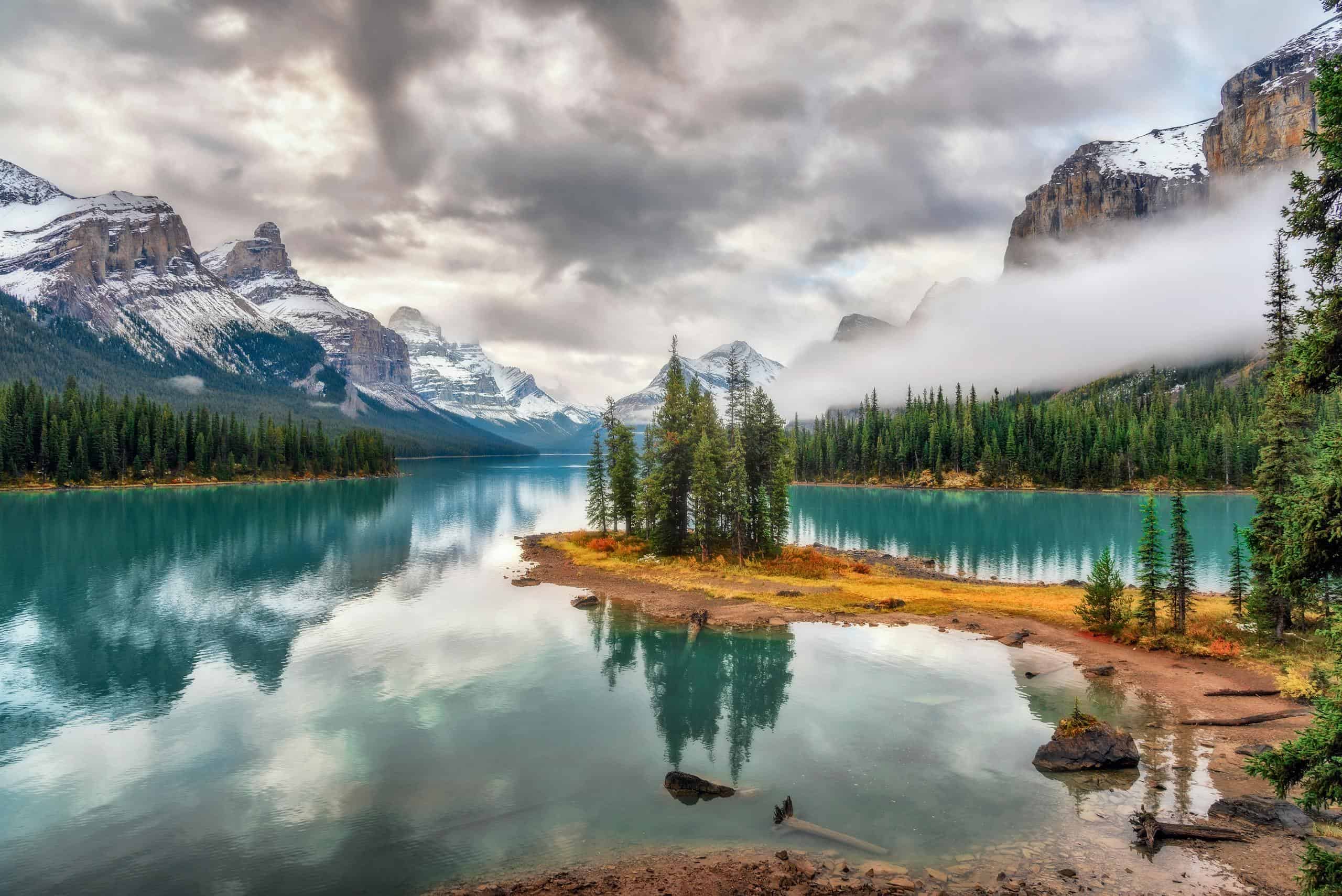
Jasper’s scenery unfolds more gradually, with broader valleys, open meadows, and long views that stretch across the landscape. The mountain peaks are slightly lower and more rounded in many areas, but they feel more immersive.
We’ve found Jasper’s scenery to be more dynamic and alive, especially at sunrise and sunset, when the valleys catch soft light and the wildlife starts to move. It’s a place that feels more untouched, especially once you get beyond the main roadways.
Tips for Visiting Canada’s National Parks
Whether you’re visiting Banff, Jasper, or road-tripping through several parks, there are a few things that will make your experience smoother, safer, and a lot more enjoyable. These are tips we’ve picked up over the years from traveling across the Canadian Rockies and from our 7,000-mile road trip across North America and through Canada!
1. Buy a Parks Canada Pass ahead of time.
All national parks in Canada require a valid Parks Canada pass. You can buy a day pass or a Discovery Pass which covers unlimited access to all parks for a full year. It’s easiest to purchase online in advance, but you can also buy one at park gates or visitor centers.
Just keep in mind that we’ve seen these lines become hundreds of cars long, whereas since we already had our parks pass, we just drove right by everyone.
2. Expect limited service in remote areas.
Cell service is spotty to nonexistent once you leave town centers. Download offline maps (we use Google Maps and AllTrails), and don’t rely on GPS alone, especially on the Icefields Parkway or deeper trail networks.
3. Book campsites and lodging very early.
Campgrounds, lodges, and even backcountry permits book up fast, especially in Banff and Jasper from June to September. If you’re planning to camp, make reservations through the Parks Canada website as soon as they open for the season (usually January or February).
Keep in mind that as soon as campsites become available, they usually book up for the year within a few days so you’ll want to be sitting at your computer when they become available!
4. Be wildlife-aware at all times.
You’re in bear, elk, and moose country, even when you’re close to town. Carry bear spray while hiking, make noise on trails, and follow all posted signage. Don’t approach or feed wildlife, and secure your food when camping in bear-safe containers (no, coolers don’t count!)
5. Pack layers even in summer.
The weather in the Rockies changes fast. It’s not unusual to start a hike in the sun and finish in wind or rain. Bring a waterproof shell, a warm layer, and sun protection no matter the season.
6. Respect trail closures and seasonal restrictions.
Parks Canada is strict about protecting wildlife corridors and sensitive habitats. If a trail is closed, it’s for a reason. Usually wildlife activity or trail damage. Violating closures can lead to fines and real safety risks.
✅ Pro Tip: Parks Canada also often put minimum group size requirements (usually 4 people) on certain trailheads, particularly around Lake Moraine, and in areas with high bear activity. Look into this in advance and either arrive with a group large enough to hike alone, or be prepared to ask other hikers if you can join their group.
7. Be mindful of time zones and daylight.
Alberta operates on Mountain Time, and in summer the days are long. Sunset often isn’t until 10 p.m. You can use this to your advantage by hitting trails early and staying out later to avoid the midday crowds, but keep in mind that rangers and other services become more limited the later it gets.
8. Fill up on gas and snacks before you leave town.
Services along routes like the Icefields Parkway are minimal. There’s only one gas station between Lake Louise and Jasper (Saskatchewan River Crossing), and food options are very limited.
Always have a full tank and backup snacks, especially if you’re exploring more remote spots.
9. Leave no trace.
Pack out what you pack in, stay on designated trails, and respect wildlife and other travelers. Canada’s national parks are heavily visited and protected, and doing your part keeps them wild for everyone else. Please do not be one of those tourists that tries to touch or feed a wild animal.
10. Don’t try to squeeze it all in.
It’s tempting to plan an action-packed itinerary, but these parks are meant to be savored. Give yourself time to enjoy the trails, slow mornings at camp, and spontaneous wildlife sightings. Banff and Jasper both reward travelers who take their time.
FAQ
What is better, Banff or Jasper?
It depends on what kind of experience you’re after. Banff is better for first-time visitors who want iconic views, short hikes, and easy access from Calgary. It has a polished, resort-town feel and world-famous photo spots.
Jasper is better for travelers who prefer solitude, fewer crowds, and a more rugged, local vibe. We personally love both, but if you’re looking to disconnect and spend more time in nature, Jasper has the edge.
Which town is bigger, Banff or Jasper?
Banff is the bigger and busier town in terms of both population and development. It has more restaurants, shops, hotels, and overall infrastructure.
Jasper is smaller and more laid-back, with fewer chain businesses and a more local, community-oriented feel. We love Jasper Brewing Company!
If you like having amenities within walking distance, Banff offers more; if you want a slower pace, Jasper wins.
Should I stay longer in Banff or Jasper?

If you’re looking to check off big-name sights like Lake Louise and Moraine Lake, 2–3 days in Banff is usually enough. Jasper typically requires longer stays, especially if you love hiking, wildlife, and backcountry experiences.
We recommend splitting your time if possible, but if you have to pick one, choose Jasper for a more immersive, low-key adventure and Banff if you’re on a tighter schedule.
Which gondola is better Jasper or Banff?
Both are great, but they offer different experiences. The Banff Gondola (Sulphur Mountain) is more developed, with a large visitor center, boardwalk trails at the summit, restaurants, and interpretive exhibits.
The Jasper SkyTram is more rustic and takes you to a higher elevation, with views of six mountain ranges and the option to hike to the summit of Whistlers Mountain.
For the full mountaintop experience, we slightly prefer Jasper’s gondola, especially if you’re up for a short, scenic hike from the upper station.
Is Jasper or Banff cheaper?
Jasper is generally more affordable across the board. Lodging, dining, and tours tend to cost less in Jasper, and you’re more likely to find last-minute availability.
Banff is beautiful but comes with a higher price tag, especially in summer or around Lake Louise and Lake Moraine, where accommodations and parking are in high demand.
If you’re traveling on a budget, Jasper offers a far better value!
What to see between Jasper and Banff?
The Icefields Parkway is one of the most scenic drives in the world, and it’s packed with must-see stops! After driving the route several times, we highly suggest not missing the Athabasca Glacier, Sunwapta Falls, Athabasca Falls, Peyto Lake, and Mistaya Canyon.
Right after you leave Banff, Waputik Peak will be on your left. About 22 miles (36 kilometers) up, you’ll have the option of stopping at Bow Lake Viewpoint and Crowfoot Glacier Viewpoint. On a clear day Peyto Lake Viewpoint and Mt Patterson Glacier offer exceptional photo opportunities!
We’ve taken a dunk in Waterfowl Lake and at the Valley of the Five Lakes!
The Columbia Icefield Skywalk and Parker Ridge Trail are also worth adding to your list. You’ll pass glacier-fed rivers, alpine meadows, and plenty of wildlife – it’s truly a destination in itself, not just a road between two parks!
✅ Pro Tip: Have your camera ready and leave enough time for stops.
Should I visit Banff or Jasper in winter?
Both parks are beautiful in winter, but they offer very different winter experiences. Banff is better suited for winter travel if you’re looking for accessibility, amenities, and classic winter activities like skiing, snowshoeing, and soaking in hot springs.
The roads are more reliably maintained, and there are more open restaurants, hotels, and guided tours during the off-season. Plus, Banff is home to ski resorts like Sunshine Village and Mt. Norquay, which draw visitors all season long.
Jasper is quieter and feels more remote in winter, which can be a big plus if you’re seeking solitude and untouched snow. We’ve found that Jasper has more opportunities for peaceful winter hikes, cross-country skiing, and stargazing, especially since it’s part of a designated Dark Sky Preserve.
However, it’s important to note that weather conditions can be more extreme in Jasper, and services are more limited. So, you’ll need to be more self-sufficient and check road conditions carefully, especially if you’ll be driving the Icefields Parkway.
At the end of the day, you can’t go wrong with either Banff or Jasper. Both parks offer unforgettable views, incredible hiking, and a deep connection to the wild beauty of the Canadian Rockies. But the right park for you comes down to your travel style.
If you’re looking for iconic scenery, easy access, and a lively town with plenty of amenities, Banff is a perfect fit, especially for first-time visitors or shorter trips. If you want a slower pace, fewer crowds, and a more immersive wilderness experience, Jasper is where you’ll find that space to roam.
In our experience, comparing Banff vs Jasper isn’t all that helpful since we absolutely love and recommend both. So if you can, do both! Experiencing Banff and Jasper together gives you the best of what the Canadian Rockies have to offer.
Up next, check out these Banff National Park Safety Tips for 2025!