Icefields Parkway Camping Guide: Campgrounds, Tips, & Gear

If you’re looking to slow down and experience the Canadian Rockies without blowing your budget on hotels, Icefields Parkway camping is hands-down one of the most practical and rewarding ways to travel this legendary route.
Between the towering peaks, glacial lakes, and endless alpine air, the Icefields Parkway offers a rare chance to stay immersed in the landscape, and staying overnight at one of the official campgrounds along the way lets you do exactly that.
I’ve driven the entire Icefields Parkway and camped my way up and down it more than once, hiking to hidden lakes and glacier overlooks with my dog, spotting wildlife around nearly every corner (grizzly, moose, mountain goats- you name it), and catching those golden early morning views you only get by staying overnight.
There’s no doubt this is one of the best places in Canada to road trip and camp, but it does take some prep to do it well.
In this guide, you’ll find everything you need to plan your camping trip along the Icefields Parkway, including a full list of campgrounds, gear recommendations, safety tips, and answers to common first-timer questions.
Whether you’re road tripping in a campervan or just bringing your tent and stove, this post will help you avoid the guesswork and make the most of every stop!
👇 Pro Tip: If you’re planning to camp along the Icefields Parkway, print out my FREE guide below. It’s a printable, no-fluff camp planner packed with a full campground breakdown, gear checklists, and space to map out your exact route, because winging it out here isn’t an option.
Where Is the Icefields Parkway?
The Icefields Parkway is a 232 km (144 mile) stretch of Highway 93 that runs between Lake Louise in Banff National Park and Jasper in Jasper National Park. It cuts straight through the heart of the Canadian Rockies and is widely considered one of the most scenic drives in North America, if not the world.
Unlike most highways, there’s no sprawl of towns or constant pit stops here. Just wide-open wilderness, jagged peaks, turquoise lakes, and the occasional herd of mountain goats blocking traffic.
👉 Services are extremely limited between Lake Louise and Jasper, and gas stations don’t exist along the Parkway itself, so you’ll need to gas-up before you go.
That lack of infrastructure can surprise people, but it’s also part of what makes the experience so powerful. Ask almost anyone on the road during your trip and you’ll find that many people agree that the Parkway feels a lot less like a drive and more like a trip in itself!
Impact of July 2024 Jasper Wildfires on Camping
Sadly in late July 2024, a major wildfire broke out south of Jasper and spread rapidly across Jasper National Park, burning over 32,000 hectares and destroying nearly a third of the townsite.
Here’s how it affects your Icefields Parkway camping plans:
- Campgrounds south of Jasper (e.g., Wabasso) remain closed or repurposed for recovery, supporting staging and wildfire management efforts. Wabasso isn’t listed below because it’s currently unavailable.
- The Parkway itself is mostly open, especially through Banff and around the Columbia Icefield. Parks Canada reports that most of the popular stops are still open and unless otherwise noted, are operating at full capacity.
- Forest scars are visible throughout the corridor. Many roadside forests between Lake Louise and Jasper show charred trees and regrowth zones, especially south of the town. Logistically, it doesn’t affect camping, but visually you’ll notice the impact.
- Smoke and air quality may still fluctuate in late summer or early fall depending on new fires elsewhere in Alberta.
What this means for your trip:
- Adjust expectations: Wabasso isn’t an option, and some backcountry trails south of Jasper may still be closed or unsafe, so you’ll have to stick to the campgrounds listed below.
- Stay flexible: It’s best to recheck campground closures with Parks Canada before heading out since recovery efforts could impact site availability.
- Don’t avoid the Parkway: Banff sections and Columbia Icefield campgrounds are open! Rebuilding is underway, and visits from travelers are actually massively supporting the financial needs to fix the massive regions and businesses that were affected.
Even with visible burn zones, camping the Icefields Parkway remains a largely unaffected and worthwhile experience. The wildfires shook Jasper, but the scenic corridor itself is open with wild forests slowly regenerating into something new.
Top 10 Icefields Parkway Campgrounds
Every campground listed below is operated by Parks Canada, and you’re required to camp in designated areas only (no pullout sleeping, no backroad boondocking.) They vary from very basic to relatively developed, but none of them are luxurious which is kind of the point of camping anyway.
👉 To see 2026 prices for camping along the Icefields Parkway near Banff, visit this Parks Canada fees page. For Jasper, use this Parks Canada link.
Here’s the full list with my personal notes included so you know what’s actually worth your time.
1. Icefield Tent Campground
- Type: First-come, first-serve
- Location: Just south of Wilcox Creek and the Columbia Icefield, inside Jasper National Park
- Facilities: Dry toilets, cooking shelters, fire rings, bear lockers, no RV spaces
- What to know: This is one of the few truly tent-only campgrounds on the Icefields Parkway, which means no generators humming at night and no giant RVs blocking the view. It’s tucked into a forested area just south of the Icefield Centre, giving you access to trails and glacier viewpoints without sacrificing quiet. If you’re looking to stay close to the action but still want a more traditional, low-key camping experience, this is the one I’d keep on your radar.
2. Jonas Creek
- Type: First-come, first-serve (no reservations allowed)
- Location: 76 km south of Jasper
- Facilities: Pit toilets, picnic tables, fire rings
- What to know: Low-key and peaceful. Not a lot of sites, but enough space to feel like you’ve got your own corner of the woods. You’ll probably hear the creek at night which makes for good sleep if you’re light-sensitive.
3. Mosquito Creek
- Type: First-come, first-serve (no reservations allowed)
- Location: 24 km north of Lake Louise
- Facilities: Pit toilets, bear lockers, creek nearby
- What to know: Ignore the name. This place is actually one of my favorite low-cost stops. It’s shady, right near the water, and the short hike to the falls is a great leg-stretcher if you’ve been driving all day.
4. Silverhorn Creek
- Type: Reservation only
- Location: Just south of Waterfowl Lakes
- Facilities: Pit toilets
- What to know: Smaller and less trafficked. It’s one of those backup sites I keep in mind if Waterfowl Lakes is full. Not a destination campground, but gets the job done with fewer crowds.
5. Waterfowl Lakes
- Type: First-come, first-serve (no reservations allowed)
- Location: 57 km north of Lake Louise
- Facilities: Flush toilets, hand pump, fire pits
- What to know: This is the one everyone wants, and for good reason. You’re camping just steps from a turquoise lake with glacier peaks in the background. But that means it fills fast. I’ve had to pass it up more than once by early afternoon.
6. Rampart Creek
- Type: Reservation only
- Location: 88 km north of Lake Louise
- Facilities: Pit toilets, fire pits, bear lockers
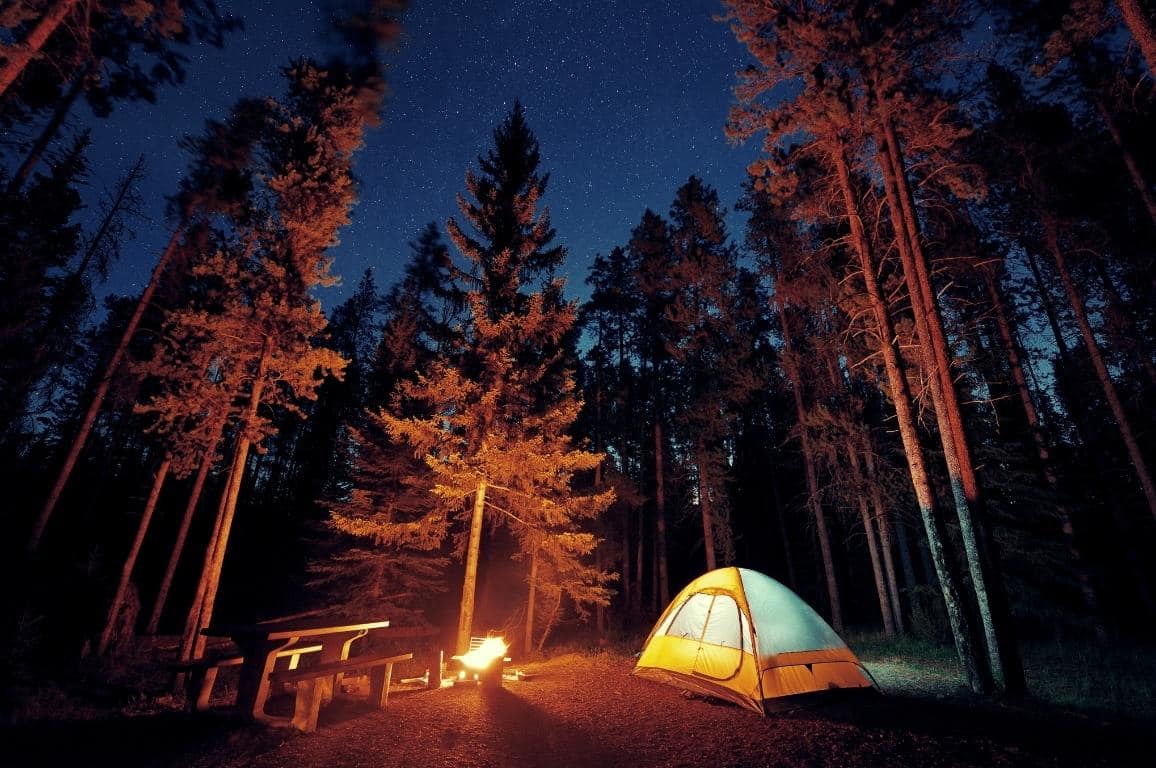
- What to know: Feels like it’s wedged right into the mountains. It’s high elevation, so it gets chilly even in July. Good stargazing on clear nights. Not a ton of amenities, but the scenery more than makes up for it.
7. Wilcox Creek
- Type: First-come, first-serve (no reservations allowed)
- Location: Across from the Columbia Icefield
- Facilities: Dry toilets, pump, bear lockers
- What to know: If you’re planning to hike Wilcox Pass (which you should), this is the most logical place to stay. You get views of the glacier even from some of the sites. Super windy, though, so make sure your tent stakes are dialed in.
8. Honeymoon Lake
- Type: First-come, first-serve (no reservations allowed)
- Location: 35 km south of Jasper
- Facilities: Pit toilets
- What to know: It’s a mellow lakeside campground with a more local feel. Nothing flashy, but a great final stop before you reach Jasper. Loons in the morning, quiet evenings, and a nice spot to regroup after a few wilder nights.
9. Columbia Icefield (SnoPark)
- Type: First-come, first-serve (no reservations allowed)
- Location: At the Icefield Discovery Centre
- Facilities: Toilets, large gravel lot
- What to know: Not exactly scenic, think parking lot with views. But it’s incredibly convenient if you’re doing anything at the Icefield Centre. It’s mostly RVs and vans, so tent campers may want to look elsewhere unless you’re in a pinch.
10. Wapiti Campground (Jasper)
- Type: Reservation available (summer only – no reservations allowed in winter)
- Location: Just south of Jasper
- Facilities: Showers, flush toilets, electric sites
- What to know: Big, busy, and a total luxury after multiple nights of dry camping. I’ve used this as a reset stop thanks to the hot showers, the ability to restock in Jasper, and the ease to then head back into the wild. Book ahead if you’re coming in peak season. 👉 Operating at reduced capacity in 2026 due to the recent Jasper wildfires.
How To Make Icefields Parkway Camping Reservations
Camping along the Icefields Parkway isn’t complicated, but it does require a bit more planning than your average national park visit. This isn’t a pull-in-and-hope-for-the-best type of North America road trip, at least not in peak season.
Most of the Parkway’s campgrounds are first-come, first-serve, which means if you’re rolling in at 6 p.m. hoping to find a spot in July, you’re probably out of luck. During my trips, I usually aimed to arrive before noon, especially at the more popular spots like Waterfowl Lakes or Wilcox Creek. If we ended up ahead of schedule or our target campground was full, we had a backup in mind further up the road.
👉 Pro Tip: SOME campgrounds along the Icefields Parkway CAN be booked in advance, but the sites usually get booked within 24 hours of being released each January. You can visit the Parks Canada Reservations Website or call (877) 737-3783 to try to make a reservation if you know your exact travel dates!
Here’s what else to keep in mind:
- You’ll need a Parks Canada Discovery Pass to drive and camp along the Parkway. That covers your entry fee, but not the nightly camping cost.
- Camping fees are paid at self-registration kiosks at each campground. Some accept cards, but not all. I always bring cash just in case, especially for the lower-cost, more remote campgrounds.
- Fire permits are separate and required if you plan to use the fire rings. They’re around $17/day in 2026, and fire bans are common in mid to late summer.
- There’s no dispersed or wild camping allowed anywhere along the Parkway. It’s a protected corridor with very active wildlife, and Parks Canada enforces that pretty tightly.
- Bear lockers are provided at most campgrounds and you have to use them. Even if you’re in a hard-sided vehicle, it’s not worth the risk (to you or the animals).
- You won’t have cell service for the majority of the drive. Download maps, campground info, and weather updates ahead of time!
Icefields Parkway Camping Packing List
This isn’t the place to pack light for the sake of minimalism. Even in summer, nights can drop below freezing, thunderstorms roll in without warning, and bear safety isn’t optional.
Here’s what I recommend based on personal experience camping across the Parkway with a car and a pup in tow:
- Bear spray (always keep it accessible, not zipped in your pack)
- Bear-proof food container or plan to use the campground lockers
- National Park Discovery Pass
- Cash + credit card for campground payment
- Warm sleeping bag (rated to at least -5°C / 23°F)
- Insulated sleeping pad (cold ground is no joke at elevation)
- 4-season or storm-tested 3-season tent
- Tent footprint or tarp (for wet or rocky ground)
- Stove + fuel (don’t rely on fires)
- Lightweight cookset (pot, pan, utensils, sponge, towel)
- Reusable water containers (4–8 liters/day if you’re dry camping)
- Water filter or purification tablets
- Quick-dry hiking layers (synthetic or merino wool)
- Rain jacket + rain pants
- Thermal base layers + fleece midlayer
- Wool socks + beanie + gloves (you may need them even in July)
- Bug spray + head net (especially in early summer)
- First-aid kit + blister tape
- Headlamp + extra batteries
- Offline map app (or paper backup if you’re going analog)
- Camp chairs (some sites have no picnic tables)
- Trash bags (Leave No Trace means all trash goes with you)
- Toilet paper (many camp toilets run out)
- Dog waste bags (if traveling with a pup, Parks Canada requires it)
If you’re planning on combining camping with hiking, don’t forget to toss in a lightweight daypack, bear bell, and plenty of extra snacks. I usually pack more food than I think I’ll need in case trail conditions change or we end up staying longer in a remote spot.
Camping Tips for the Icefields Parkway
After a few trips up and down the Parkway, here’s what I’ve learned the hard way and what’ll make your life easier:
- Aim to camp early in the day. By 2 p.m., most popular campgrounds are either full or filling. I usually plan our drive so we’ll be pulling into camp between 11 a.m. and 1 p.m.- plenty of time to claim a spot and still fit in a hike.
- Don’t rely on having water. Several campgrounds don’t have potable water, and pumps sometimes run dry. I fill up wherever we’re parked overnight, and always keep extra in the car.
- Leave no food or scented items out. Even gum, chapstick, or toothpaste! Bears here aren’t curious, they’re conditioned. Use lockers and never cook right next to your tent.
- Prepare for weather swings. One July afternoon we were hiking in t-shirts and sweating; that same night it dipped below freezing. Rain can come in fast, too. I always keep rain gear and an extra layer in the front seat, no matter how sunny the day starts.
- Have a backup campground in mind. A few times we pulled into our first choice and every site was taken. Instead of scrambling, we had a Plan B 30–45 minutes up the road.
- Don’t forget altitude. Several campgrounds sit between 1,400–2,000 meters. Even if you’re fit, you’ll likely notice a difference in how quickly you get dehydrated or fatigued. Drink more water than usual and pace yourself on hikes.
The Best Time for Icefields Parkway Camping
Late June through mid-September is the camping window on the Parkway. Campgrounds typically open around the third week of June, depending on snow levels, and close by the end of September.
Each part of the season has its pros:
- ➡️ Late June–Early July – Still some snow at higher elevations, but waterfalls are roaring and there are fewer crowds early in the morning.
- ➡️ Mid-July–Mid-August – Peak season. Warmest weather, longest days, biggest crowds. Campgrounds fill the fastest during this time.
- ➡️ Late August–Early September – Cooler nights, fewer bugs, and the start of fall colors. It’s my favorite time to camp! More solitude, and the landscape gets a golden tint.
- ➡️ Mid–Late September – Crisp days and cold nights. Some campgrounds may already be closed or operating with reduced services, so check ahead. You’ll have some of the best lighting of the year for photography if you’re lucky with the weather.
FAQ
Can I sleep in my car along the Parkway without a campsite?
Unfortunately, no, not legally. The Icefields Parkway runs entirely through national park land, and overnight parking or sleeping in pullouts, rest areas, or trailheads isn’t allowed.
Even if you’re fully self-contained in a van or SUV, Parks Canada requires you to stay in a designated campground, no exceptions. Hefty fees will be gifted to those who try it!
Are campgrounds pet-friendly?
Yes, but that doesn’t mean your dog can run around off-leash. Every campground allows pets, but they need to be leashed and under control 100% of the time.
Parks Canada isn’t afraid to boot you from your campsite for a rowdy dog, so come prepared with a short leash and things to entertain them.
Besides, it’s just not worth the risk. Wildlife is everywhere, and your dog isn’t faster than a moose.
Can I make a reservation at these campgrounds?
Only at the developed campgrounds closest to Jasper, like Wapiti or Whistlers are reservations available in advance.
Everything else along the Parkway is first-come, first-serve, so you’ll need to plan your arrival strategically.
I usually shoot for late morning or early afternoon when people have either already checked out or are packing up their tent. Any later and you’re usually going to have to move on to your backup plan.
What’s the best Icefields Parkway campground for views?
Honestly, it depends on what kind of views you’re after. Wilcox Creek gives you glacier access and sweeping mountain ridges, while Waterfowl Lakes offers that classic “Rockies reflected in turquoise water” scene that looks unreal in early morning light.
You can’t really go wrong, but those two are my go-tos if I have the option.
Are there quieter campgrounds if I want to avoid crowds?
Yes, but you’ll be giving up a few comforts in exchange. Places like Icefield Tent, Jonas Creek, and Silverhorn fly under the radar and tend to stay more peaceful, even in mid-summer.
They’re bare-bones meaning no water and minimal signage to get to them, but if you’re good with rustic and just want a quiet place to crash, they’re solid bets.
Icefields Parkway camping isn’t fancy, and it’s definitely not the most convenient way to see the Canadian Rockies, but that’s exactly what makes it worth doing. You’re not stuck rushing between Jasper and Lake Louise in a single day, or booking overpriced hotels just to be near the scenery.
It takes a bit of planning, and yeah, sometimes you’ll have to pivot if your first-choice site is full or the weather turns. But if you’re willing to be flexible, prepared, and just a little scrappy, this is easily one of the best ways to experience the Parkway.
Whether you’re camping for a night or a full week, it’s a trip that’ll stick with you!