
#1 Alaska Winter Packing List & PDF (Sourdough Approved!)

As a couple who has lived, married, and spent a full winter in Alaska, we know firsthand what it takes to stay warm and comfortable. You may not be shoveling driveways in subzero temps or witnessing firsthand out the air pumps freeze so you can’t fill up your car tires outdoors, but you will learn the hard way which boots actually keep your toes warm and which coats are best for insulating you while you’re aurora hunting!
We’ve come to appreciate just how important it is to pack properly, which is why we’ve created this comprehensive Alaska winter packing list so you don’t have to find out the hard way on your vacation.
Winter in Alaska isn’t one-size-fits-all. The damp, bone-chilling cold of coastal towns like Juneau and Sitka feels completely different from the dry, bitter cold of places like Fairbanks or Delta Junction.
In this post, we’ll walk you through exactly what to bring based on where you’re headed and what you’ll be doing. Whether you’re photographing the northern lights at 2am, hiking through snowy forests, or just trying to stay warm on a glacier cruise, this guide is based on real, firsthand experience.
Let’s get packing!
What to Pack for Winter in Alaska: Essentials by Region (November–March)
Packing for winter in Alaska requires a strategic approach, especially if you’re traveling between regions with very different climates.
From the wet, windy coastlines of the southeast to the frigid, dry air of the Interior, each area comes with its own packing challenges. Below are region-specific packing lists based on real conditions you can expect from late fall through early spring.
Southern & Southeastern Alaska (e.g. Juneau, Sitka, Ketchikan)
Temperatures: 20°F to 40°F / Frequent rain, snow, and coastal winds
This region is generally milder than the Interior but far wetter and windier. You’ll need to prioritize waterproofing, insulation, and layers you can adjust based on the day’s conditions.
Essentials:
- Waterproof, insulated rain jacket (GORE-TEX or equivalent with a hood)
- Midweight insulated puffer or down jacket (for layering under rain gear)
- Thermal base layers (preferably merino wool or synthetic for moisture-wicking)
- Fleece or wool sweaters for added warmth
- Waterproof, insulated pants (or snow pants)
- Waterproof boots (mid-calf or higher; insulated and grippy soles)
- Wool socks (bring several pairs in case of wet conditions)
- Waterproof gloves or mittens with insulation
- Warm beanie and ear protection
- Neck gaiter or scarf (wind protection on boat tours or coastal hikes)
- Microspikes or Yaktrax (trails and sidewalks can get icy)
- Daypack rain cover or dry bag (especially for photographers)
- Umbrella (optional but helpful in persistent rain)
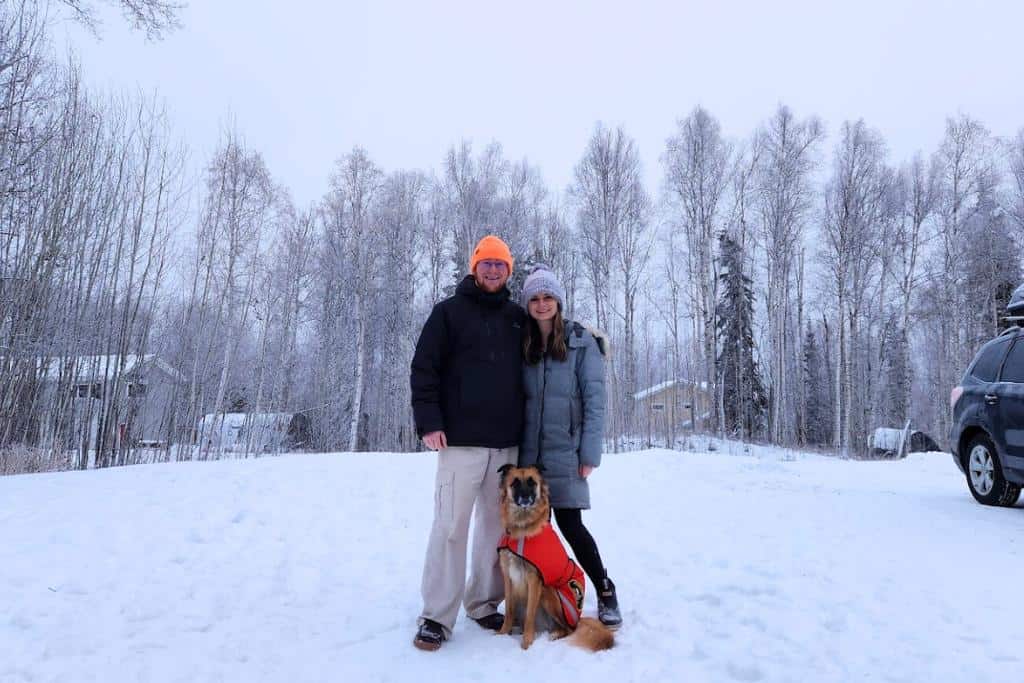
Interior Alaska (e.g. Fairbanks, Denali, Delta Junction)
Temperatures: -45°F to 20°F / Dry air, heavy snow, extreme cold spells
This region sees true Arctic conditions during winter. You’ll need full cold-weather gear to stay safe and comfortable, especially during nighttime aurora viewing or any extended outdoor activity. We rarely saw temperatures rise about -15°F between December and February while living in Fairbanks, so keep that in mind!
Essentials:
- Heavy-duty parka (rated for at least -20°F, ideally longer length and with a hood)
- Windproof and insulated snow pants (we know they’re bulky, but you have to bring them! Just plan on checking a bag)
- Expedition-weight thermal base layers (look for wool or synthetic with brushed lining)
- Thick fleece or wool mid-layer
- Insulated winter boots (rated to -40°F, such as Baffin or Sorel models)
- Wool socks + sock liners (for warmth and moisture management)
- Mittens with liners (mittens trap heat better than gloves; heated options are great for aurora photography)
- Balaclava or fleece face mask
- Thermal beanie or trapper hat (ear flaps are key)
- Neck gaiter or insulated scarf
- Hand and foot warmers (bring extras – they’re great for camera batteries too)
- Snow goggles or sunglasses (bright snow glare and blowing snow)
- Microspikes or insulated boot traction grips (slippery parking lots and trails)
- Moisturizer and lip balm (dry air will crack skin fast)
General Alaska Winter Packing List
No matter where you’re headed in Alaska, these items will round out your winter travel kit and make day-to-day life a lot more comfortable, especially when dealing with rural areas, limited daylight, and unpredictable weather!
Clothing & Accessories
- Everyday casual outfits (jeans, flannel shirts, sweaters, long-sleeve tees)
- Loungewear or thermal pajamas (cabins and lodges can get chilly at night)
- Undergarments (opt for moisture-wicking if doing active excursions)
- Swimsuit (for hot springs, hotel hot tubs, or saunas)
- Sleep mask (if sensitive to light – a few towns have 24-hour daylight)
- Slippers or cozy socks (for indoor use at lodges or Airbnbs)
- Warm hat and gloves for casual wear (not just heavy-duty outdoor versions)
- Casual shoes or boots (for inside restaurants, driving, etc.)
Of course, the number of each item you bring will depend on how long you’ll be in Alaska for. The general rule of thumb is to pack enough layers to rewear and rotate, but always prioritize warmth and functionality over variety when it comes to base layers, outerwear, and footwear.
We had laundry availability so we didn’t have to do this much, but if you’re staying in a hotel, you typically won’t have laundry services available to you unless you go to a local laundromat.
If this is the case, bring 2-3 thermal tops, 2 thermal bottoms, and 1-2 pullovers that can fit well underneath your winter coat.
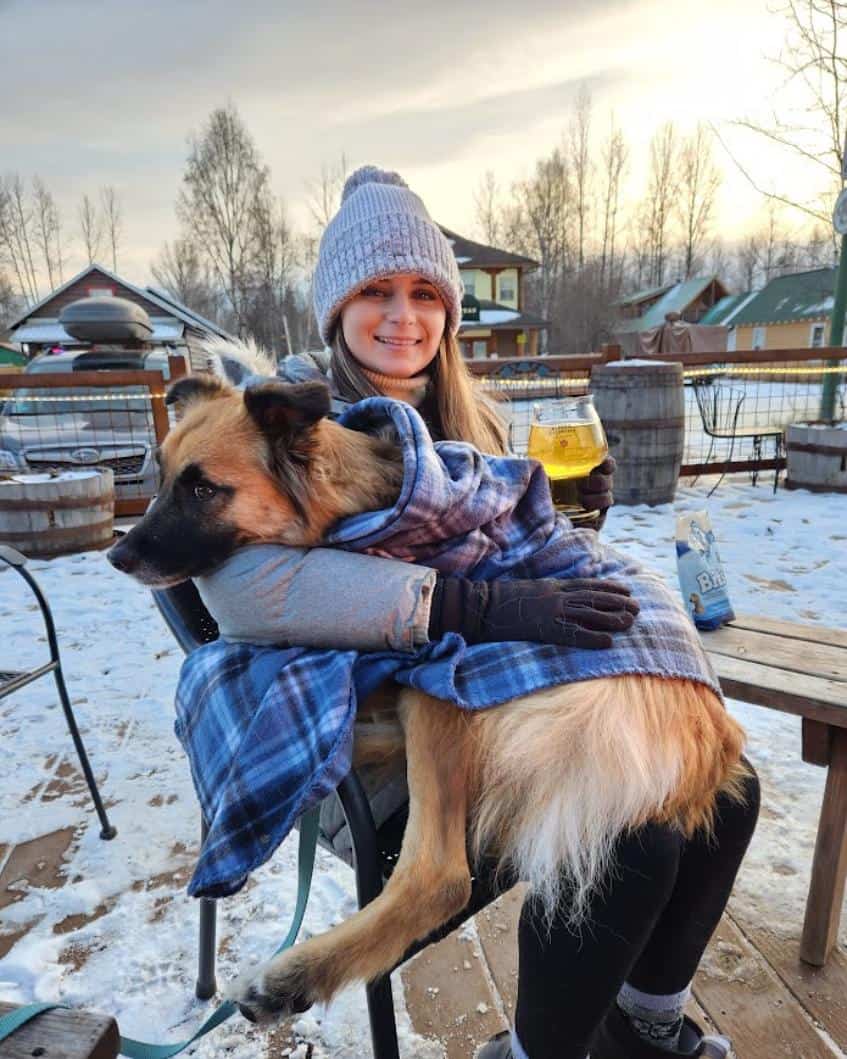
Toiletries & Personal Care
- Lip balm with SPF (crucial for dry, cold air)
- Heavy moisturizer or healing balm (look for unscented and thick creams)
- Travel-sized humidifier (optional, but great in dry cabin/hotel air)
- Sunscreen (snow reflects UV even in winter)
- Toothbrush, toothpaste, floss
- Shampoo, conditioner, body wash
- Hairbrush or comb
- Deodorant
- Razor & shaving cream
- Contact solution/glasses (if needed)
Tech & Electronics
- Phone & charger
- Portable power bank (cold drains batteries fast)
- Camera & extra batteries
- Tripod (especially for northern lights or snowy landscapes)
- Headlamp or flashlight (sunlight is limited in winter)
- Car phone mount & charger cable (for GPS navigation)
- Laptop or tablet (if working or uploading photos/videos)
- Universal adapter (for international travelers)
Travel Essentials
- Passport or ID
- Travel insurance
- Printed reservations/confirmations (cell service can be spotty)
- Credit card & some cash (small towns may not take cards)
- Reusable water bottle (hydration is key in cold climates)
- Snacks or protein bars (especially for remote areas or long drives)
- Daypack or tote bag (for day trips or excursions)
- Small first-aid kit (bandages, pain relievers, motion sickness meds)
- Dry bags or packing cubes (helps keep things organized and dry)

Best Winter Coats for Alaska in Winter
1. Canada Goose Expedition Parka – best men’s winter coat for Alaska
- Extreme cold parka rated for -40°F. Windproof, durable, and used in polar regions.
🔗 View on Amazon
2. The North Face McMurdo Parka
- 600-fill down insulation, waterproof, and built for cold climates with a more urban look.
🔗 View on Amazon
3. Mountain Hardwear Absolute Zero Parka
- 800-fill down, designed for extreme alpine conditions is ideal for aurora photography or sub-zero adventures.
🔗 View on Amazon
4. Outdoor Research Super Alpine Down Parka
- Waterproof, windproof, and lightweight with alpine-ready warmth.
🔗 View on Amazon
5. Arc’teryx Therme Parka
- Sleek, city-style parka with GORE-TEX waterproofing and premium down insulation.
🔗 View on Amazon
6. Outdoor Research Women’s Coze Down Parka – best women’s winter coat for Alaska
- 700 fill power, built-in cuff gators, extreme cold knee-length parka.
🔗 View on Amazon
7. Columbia Whirlibird IV Interchange Jacket
- Budget-friendly 3-in-1 option with waterproof outer shell and thermal liner.
🔗 View on Amazon
8. Eddie Bauer Superior Down Parka
- Windproof, water-resistant, and insulated with 650-fill down. Solid cold-weather performance.
🔗 View on Amazon
9. LL Bean Baxter State Parka
- Rugged and insulated for cold New England and Alaska’s coastal towns.
🔗 View on LL Bean
10. Alpha Industries N-3B Inclement Parka
- Military-inspired design with water-resistant shell and synthetic insulation. Stylish and functional.
🔗 View on Alpha Industries
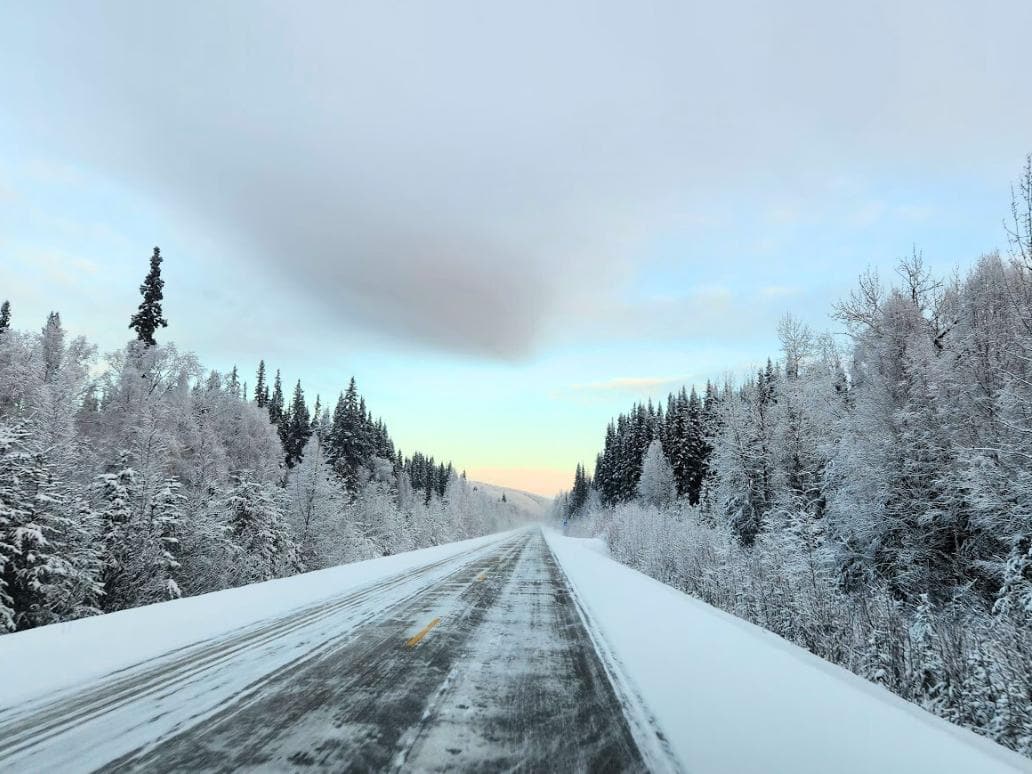
Best Pants for Alaska Winter
Preparing for Alaska’s winter requires durable, insulated, and weather-resistant pants to keep you warm and comfortable in extreme conditions.
We always get questions regarding what pants to wear in Alaska in winter from our Concannon Adventure Clients, so these are our top recommendations for both men and women, each selected for their performance in cold climates:
For Men:
- Wespornow Men’s Fleece-Lined Hiking Pants
- These pants feature a softshell fabric with thermal insulation, water resistance, and windproof capabilities, all while remaining breathable.
🔗View on Amazon
- These pants feature a softshell fabric with thermal insulation, water resistance, and windproof capabilities, all while remaining breathable.
- MAGCOMSEN Winter Pants for Men
- Designed with a water-repellent, windproof softshell exterior and thick fleece lining, these pants provide warmth and protection during cold winter activities.
🔗View on Amazon
- Designed with a water-repellent, windproof softshell exterior and thick fleece lining, these pants provide warmth and protection during cold winter activities.
- Jessie Kidden Men’s Waterproof Hiking Pants
- Featuring a wear-resistant stretch nylon surface with a waterproof coating, these pants effectively repel rain, snow, and oil stains. The inner layer is made of skin-friendly warm fleece for added comfort.
🔗View on Amazon
- Featuring a wear-resistant stretch nylon surface with a waterproof coating, these pants effectively repel rain, snow, and oil stains. The inner layer is made of skin-friendly warm fleece for added comfort.
For Women:
- Burton Women’s Gore-Tex Gloria Insulated Pants
- A stylish but fully functional snow pant with GORE-TEX waterproofing, synthetic insulation, and a flattering slim fit. These are ideal for winter activities like skiing, snowshoeing, or just staying warm in town.
🔗View on Amazon
- A stylish but fully functional snow pant with GORE-TEX waterproofing, synthetic insulation, and a flattering slim fit. These are ideal for winter activities like skiing, snowshoeing, or just staying warm in town.
- Wespornow Women’s Fleece-Lined Hiking Pants
- Designed with a water-repellent coating to repel rain and snow, these pants also cut out the wind and offer good breathability for extreme comfort.
🔗View on Amazon
- Designed with a water-repellent coating to repel rain and snow, these pants also cut out the wind and offer good breathability for extreme comfort.
- Eddie Bauer Women’s Rainier Lined Pants
- Built for cold-weather activities, these cargo pants are made of Flexion nylon/spandex with two-way active stretch and a durable, water-repellent finish. Inside, polyester fleece lining adds critical warmth.
🔗View on Amazon
- Built for cold-weather activities, these cargo pants are made of Flexion nylon/spandex with two-way active stretch and a durable, water-repellent finish. Inside, polyester fleece lining adds critical warmth.
When selecting pants for Alaska’s winter, prioritize features like insulation, water resistance, windproofing, and breathability to ensure comfort and protection against the harsh elements.
Alaska Winter Packing List PDF
To make your trip planning even easier, we’ve put together a free Winter Alaska Packing List PDF. It’s a printable, no-fluff guide based on what we actually used during our time living in Alaska in winter, so you can feel confident you’ve packed exactly what you need (and nothing you don’t)!
Helpful Tips for Traveling to Alaska in Winter
Winter in Alaska is absolutely beautiful, but it definitely requires a different kind of travel mindset. When we lived there, we had ice coming through our outlets on exterior walls, “ice fog” forming inside the apartment whenever we opened our door, and yeah, we had to chisel away the ice from inside our windows once it started dripping into our emergency heat generator.
We know you may not be planning on moving to Alaska just yet, but the tips we’ve provided below are all things we learned firsthand, so hopefully they’ll save you some trial and error while deciding what to pack for Alaska in winter!
1. Dress in layers – always!
Weather can swing dramatically even in a single day. Base layers, a mid-layer (like fleece or wool), and a waterproof or windproof outer layer will keep you warm and adaptable.
2. Prioritize warmth over fashion.
In Alaska, function comes first. You’ll see locals in insulated Carhartt bibs, bunny boots, or fur-lined parkas. No one cares if your outfit matches as long as you’re warm.
3. Protect your skin from the dry air.
Use a thick moisturizer and lip balm multiple times a day. The cold, dry air can crack your skin fast, especially around your hands and face. My lips were bleeding within a few days of the cold really setting in!
4. Don’t underestimate the cold, particularly in the Interior.
Everywhere north of Denali National Park sees temperatures that drop to -40°F or colder. If you’re not properly dressed, frostbite can happen in under 10 minutes. It’s essential for your safety to stay updated on the forecast and dress for worst-case scenarios.
5. Plan around the daylight.
Some towns only get a few hours of light in mid-winter while places like Utqiagvik (formerly Barrow) experience the Polar Night. Plan activities during your small window and enjoy aurora viewing or cozying up inside in the darker hours.
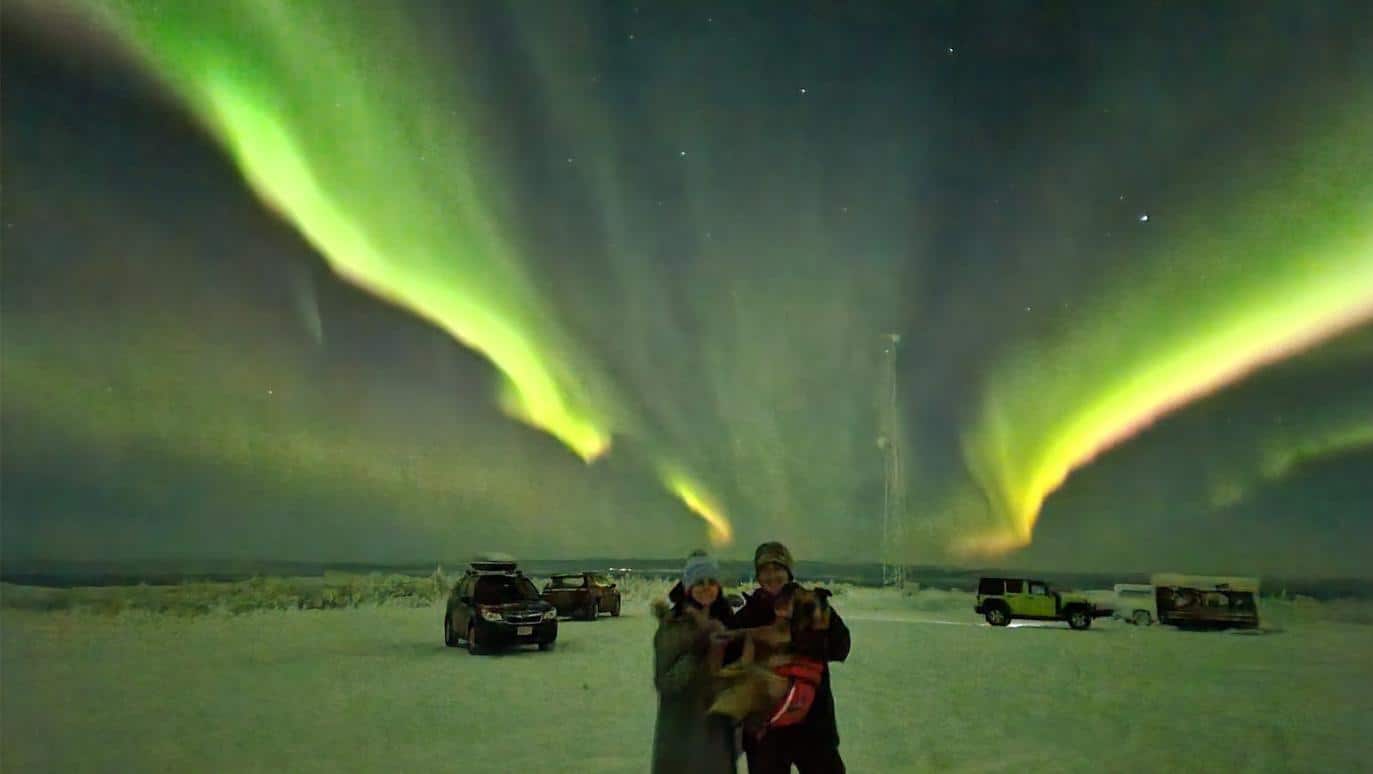
6. Rent or bring a reliable vehicle.
If you’re driving, rent a car with all-wheel or four-wheel drive and make sure it’s winter-ready. Check if it has a block heater, a heated oil pan, and a battery heater – all of which are essential in the interior of the state.
Some rental companies keep an emergency kit in the car, but if yours doesn’t have one, then it’ll be in your best interest to put some items together before heading out.
7. Learn how to walk on ice.
Take small steps, keep your center of gravity low, and use traction devices like Yaktrax or microspikes. Sidewalks and parking lots are often icy, but the locals are used to it so you’ll rarely see anyone under the age of 70 walking with them.
8. Book accommodations with heating and insulated windows.
Most places are well-equipped, but double-check if you’re staying in remote cabins or Airbnbs. Look for heated floors, fireplaces, or pellet stoves if possible. Only one of our 5 Airbnbs provided an emergency heater, so this is something you’ll want to look out for.
9. Bring multiple pairs of gloves and socks.
Things get wet fast in Alaska. Having backups can save your trip (and your fingers and toes)!
10. Don’t rely on cell service.
Especially in remote areas, there may be no service at all. Download Google maps offline and keep physical copies of your itinerary and directions.
11. Be aurora-ready.
Keep a camera, tripod, and warm clothes ready to go at night. Northern lights can appear suddenly, and you don’t want to miss them because you were scrambling to get dressed!
12. Layer your camera gear, too.
Camera batteries die fast in the cold. Keep them inside your jacket when not in use, and bring extras. A hand warmer in your camera bag can also extend battery life, while an exterior “camera jacket” will help prevent your lens from fogging.
13. Don’t skip travel insurance.
Winter flights can be delayed or canceled due to snowstorms. Travel insurance helps cover unexpected costs or cancellations.
14. Embrace the pace.
Winter in Alaska is quieter, slower, and more introspective. Locals lean into it, so bring a book, grab a hot drink, and enjoy the slower rhythm of winter life.
15. Don’t expect everything to be open or easy to get to.
Many tours, restaurants, and even roads shut down for the winter, especially in more remote areas. Always double-check seasonal hours and be flexible with your plans since Alaska in winter runs on its own schedule.
Winter in Alaska FAQ
How cold does it actually get in Alaska during winter?
The truth is that it depends on where you are in the state!. In Interior Alaska (like Fairbanks), temperatures can drop as low as -40°F or colder, especially in January.
In Southern and Southeastern Alaska (like Juneau or Sitka), it’s milder but damp. You can expect temps between 20°F and 40°F with lots of rain, snow, and wind.
Wind chill can make it feel colder everywhere, so don’t think we’re lying when we say it doesn’t matter where you go in Alaska between November and March, it’s going to be very cold!
For a deeper rundown on weather by region, check out our complete guide: How Cold is Alaska? Weather by Region in the 49th State
Will I be able to see the northern lights in Alaska in winter?
Yes, you’ll be able to see the northern lights in Alaska in winter, especially in the interior of the state!
Fairbanks is one of the best places in the world to view the aurora with the best viewing months being between late September through March, with clear, dark nights offering your best chances.
We always recommend staying for at least a few nights to improve your odds of seeing the auroras, and head outside city limits for the darkest skies.
✅ Here are some of our top resources for seeing the northern lights in Alaska: Where to See Northern Lights in Alaska: 13+ Secret Spots! and 11 Exceptional Alaska Northern Lights Tours for 2026!
Do I really need a parka rated to -40°F for winter in Alaska?
If you’re heading to Interior Alaska, especially for activities like aurora viewing, then yes, a heavy-duty parka rated to at least -20°F is a must.
In southern coastal areas, a waterproof and insulated jacket will usually be enough, as long as you’re properly layering underneath it. You’ll still need all of the other basic items like insulated pants, wool socks, winter gear like hats, gloves, and scarves, and so forth.
What kind of boots should I bring to Alaska in January?
If you’re visiting the Interior near Fairbanks, opt for insulated boots rated to at least -20°F with waterproofing, solid traction, and room for thick wool socks. Even with high-end boots, your feet will get cold if the rest of your body isn’t properly layered. Warmth works as a system, so don’t rely on boots alone to keep you comfortable.
We’ve noticed that even our $300 Arctic-rated boots allow our toes to get cold without the proper socks and additional layers on our bodies, so don’t assume your standard winter boots will do!
For coastal regions, waterproof hiking or snow boots with insulation are usually enough, but traction devices (like Yaktrax) are still essential if you plan to do any winter hiking.
Are snow pants necessary, or can I just wear jeans with thermals?
Considering we’ve pulled people in jeans out of snowbanks in -25°F who were very scared when they’re cars went off-roading, please please please listen to us when we tell you that jeans are not a good choice, even with thermals.
They hold moisture and freeze easily, which is a perfect way to get hypothermia if you’re out aurora hunting, ice fishing, or snowmobiling.
Snow pants or insulated, windproof pants aren’t just highly recommended, they’re pretty much required if you want to enjoy your time outdoors in the interior of the state for more than 10 minutes.
If you’ve ever seen locals in Alaska during winter, you’ll notice many of them running errands in jeans and a light puffy jacket despite the subzero temps. Don’t let that fool you!
They almost always have emergency supplies in their vehicles, including food, water, and extra warm gear to last them at least three days if needed. That’s just standard practice for longtime Alaskans.
Plus, their bodies are used to the cold! Yours, on the other hand, might go into total shock, especially the first time your nose hairs freeze so hard that you end up with the kind of nosebleed you’ll never forget.
What gear is absolutely essential for winter in Alaska?
Before heading to Alaska, we highly suggest you purchase this gear so you already have it with you on arrival (in our opinion, these are absolutely essential):
✅ Traction devices for your boots
✅ Hand warmers
✅ A headlamp
✅ A -20°F and below rated parka
✅ Insulated, waterproof snow pants
✅ Subzero rated hat and gloves
✅ Wool socks
✅ Thermal underwear for your base layers
Visiting Alaska in winter is one of the most incredible experiences you can have, but it’s not the kind of trip you want to “wing it” for. With the right layers, proper gear, and a little planning, you’ll stay warm, safe, and comfortable no matter what the weather throws your way.
Whether you’re chasing the aurora, snowshoeing through the backcountry, or simply soaking up the peace and quiet of the season, being well-prepared lets you focus on the adventure instead of the cold.
If you’re ready to start packing, don’t forget to download our free Alaska winter packing list PDF to make sure nothing gets left behind!
Up next, check out our 1-week Alaska itinerary for winter!


